Delhi man cancels Manali trek over heavy rain warning, ‘denied’ refund, wins payout
Source Entity
Ashish Shaji
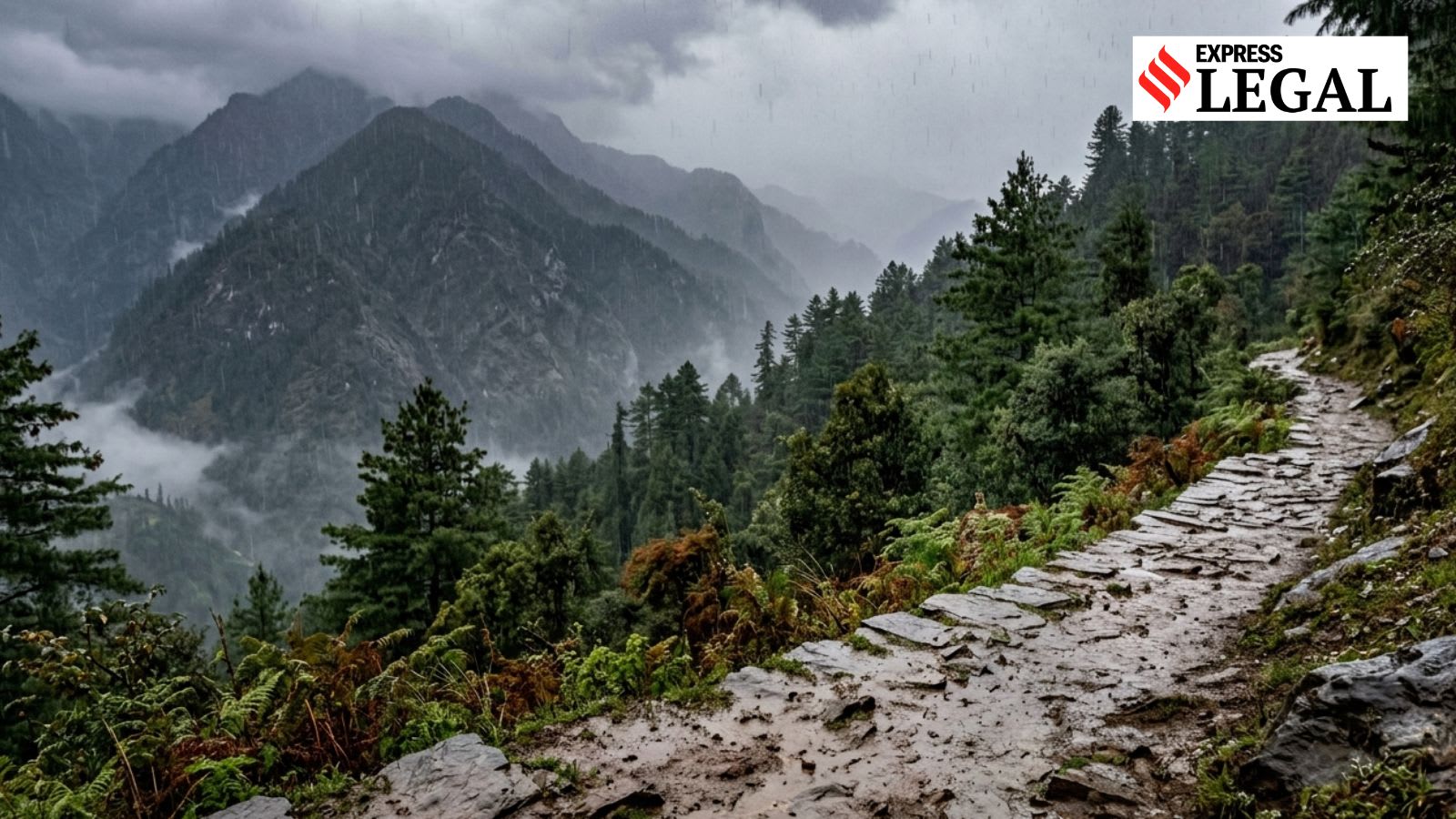
A Delhi consumer commission has ordered a trekking company to refund a customer after they canceled a Manali trip due to severe weather warnings. The ruling underscores consumer rights regarding 'force majeure' clauses and service provider accountability.
Consumer Justice Amid Climate Volatility
A landmark ruling by a Delhi consumer commission has brought the issue of traveler rights during extreme weather events to the forefront. When a customer canceled a planned trek to Manali due to heavy rain warnings, the trekking company’s refusal to refund the advance payment was challenged. The commission, led by President Sonica Mehrotra alongside members Richa Jindal and Anil Kumar Koushal, ultimately ruled that the operator was guilty of both deficiency in service and unfair trade practices.
The Role of 'Force Majeure' in Tourism
At the heart of this dispute is the legal interpretation of the force majeure clause. The complainant argued that the trek was rendered impossible and unsafe due to the inclement weather conditions reported in Himachal Pradesh. The commission’s decision to uphold this argument highlights a growing judicial trend in India: recognizing that travel operators cannot force consumers to assume risks when environmental conditions pose a genuine threat to life and safety, even if specific contractual language is restrictive.
Accountability for Service Providers
The commission’s directive—ordering the refund of the Rs. 3,000 advance and an additional Rs. 5,000 in compensation—serves as a warning to the tourism industry. By labeling the refusal to refund as an 'unfair trade practice,' the court has signaled that service providers must prioritize customer safety over rigid cancellation policies. This shift is crucial in an era where climate-induced weather disruptions are becoming increasingly frequent in mountainous regions like Manali.
Broader Implications for Travelers
This case offers significant relief to tourists who often find themselves trapped between financial loss and physical danger. Historically, many travelers have felt compelled to proceed with trips despite weather warnings to avoid losing their deposits. This ruling empowers consumers to prioritize safety, knowing that the judiciary is willing to intervene when companies fail to acknowledge the reality of force majeure events.
Future Trends in Tourism Regulation
Looking ahead, this verdict may compel trekking and travel agencies to modernize their booking agreements. We can expect to see more transparent cancellation policies that explicitly account for weather-related emergencies. As climate change continues to impact the stability of travel itineraries in the Himalayas, the legal framework surrounding consumer protection will likely continue to evolve, placing greater responsibility on companies to manage the risks associated with volatile weather.
Conclusion
The Delhi consumer commission's decision is a victory for consumer rights and common sense. By holding the trekking company accountable, the court has reinforced the idea that service contracts are not absolute when faced with life-threatening environmental conditions. This serves as a vital precedent for future disputes, ensuring that travelers are not penalized for making the responsible choice to cancel trips during hazardous weather.