Plans on integrated transport, parking management in Delhi in focus at key DDA meeting
Source Entity
The Indian Express
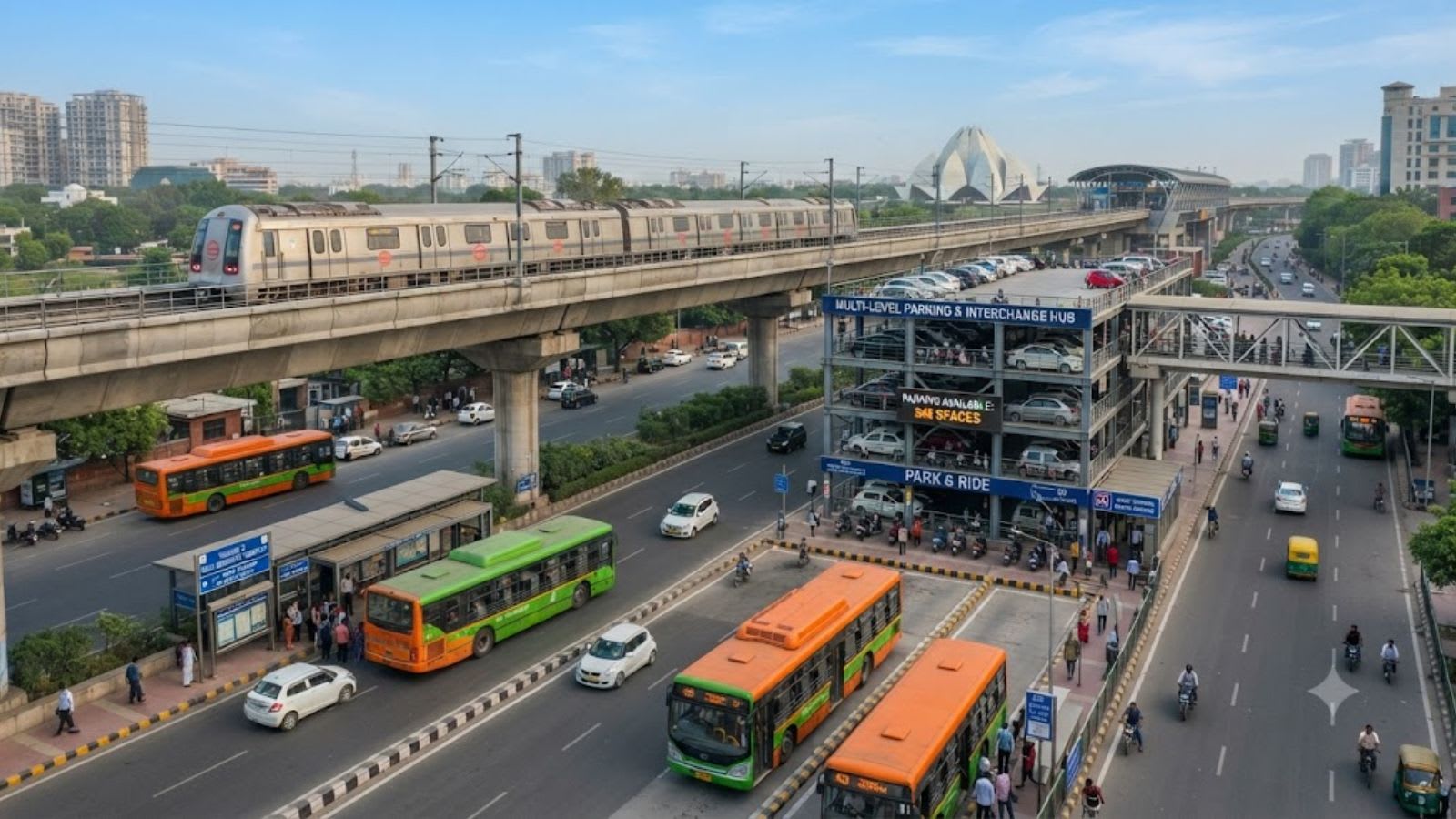
The Delhi Development Authority is advancing the Master Plan for Delhi-2047, focusing on integrated transport and parking management. Key proposals include a Unified Metropolitan Transport Authority and a comprehensive framework to regulate urban parking.
Redefining Delhi's Urban Mobility: The MPD-2047 Vision
The Delhi Development Authority (DDA) has taken a significant step toward future-proofing the capital's infrastructure by prioritizing the Master Plan for Delhi-2047 (MPD-2047). At a recent high-level meeting, officials emphasized two critical pillars of urban development: the creation of a Unified Metropolitan Transport Authority (UMTA) and a Unified Parking Planning Framework. These initiatives represent a shift from fragmented urban management toward a cohesive, technology-driven approach designed to address the challenges of a rapidly densifying metropolis.
Integrating Transit through UMTA
The proposed UMTA is designed to act as a singular regulatory and operational umbrella for Delhi’s diverse transport modes. Currently, Delhi’s transit landscape is often criticized for a lack of synchronization between various agencies and transport types. By centralizing the preparation and implementation of a Comprehensive Mobility Plan, the DDA intends to create a seamless transit network. This integration is essential for reducing travel times and promoting public transport usage, which remains the most viable solution to the city's long-standing traffic congestion issues.
Tackling the Parking Crisis
Equally vital to the MPD-2047 is the Unified Parking Planning Framework. As vehicle ownership in Delhi continues to climb, the scarcity of organized parking space has led to rampant roadside encroachment, further choking narrow urban arteries. The proposed framework shifts the focus from merely providing parking spots to actively managing demand. By identifying high-congestion zones and rationalizing parking norms, the DDA aims to reclaim public space and improve traffic flow in residential and commercial hubs alike.
Strategic Implications for Urban Planning
The move toward a centralized parking and transit authority aligns with global urban planning standards observed in major cities like London and Singapore. By standardizing how parking is managed and how transit is integrated, Delhi is positioning itself to handle the population surge expected by 2047. This systematic approach is not merely about construction; it is about creating a policy-driven environment where land use and transport infrastructure are developed in tandem, rather than in isolation.
Future Trends and Challenges
Looking ahead, the success of these frameworks will depend heavily on inter-agency coordination. The transition to a unified system requires the alignment of diverse stakeholders, including municipal corporations and transit agencies. If implemented effectively, these frameworks could significantly lower the carbon footprint of the city by streamlining transit and reducing the time vehicles spend idling in search of parking. The DDA’s focus on the 2047 horizon underscores a commitment to long-term sustainability over short-term, reactionary fixes.
Conclusion
In summary, the DDA’s focus on the MPD-2047 marks a pivotal moment for Delhi’s urban evolution. By addressing the fundamental disconnect between transport modes and the chaotic demand for parking, the city is setting a blueprint for a more efficient, accessible, and livable environment. While the implementation phase will undoubtedly face bureaucratic and logistical hurdles, the emphasis on a comprehensive, data-backed approach is a necessary step toward managing the complex realities of India's capital.