Classes In Hybrid Mode, Restrictions On Cars: What Changes Under GRAP-III
Source Entity
NDTV News Search Records Found 1000
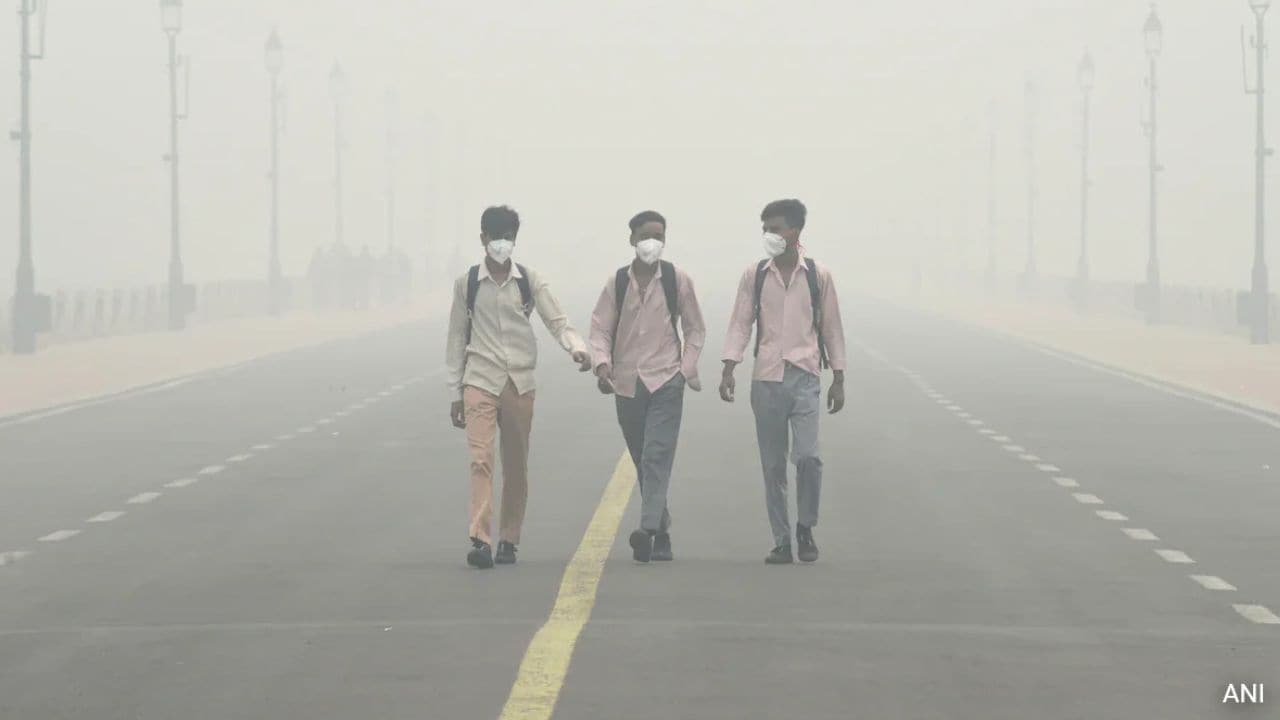
Delhi is experiencing its worst air quality in a decade this Diwali, driven by a combination of record-high farm fires and unfavorable meteorological conditions. With AQI levels already hitting 'severe' in multiple neighborhoods, authorities warn of prolonged toxic air through the festival period.
Delhi's Air Quality Crisis: A Decade-High Pollution Peak
Delhi has entered a period of environmental crisis this Diwali, recording its most polluted festival eve in the last ten years. As of Sunday, November 8, the national capital’s overall Air Quality Index (AQI) stood at 383, teetering on the brink of the 'severe' classification. Data from the Central Pollution Control Board (CPCB) confirms that out of 54 monitoring stations, nearly half have already slipped into the 'severe' category, with specific locations like Jahangirpuri reaching an alarming 450.
The Anatomy of a Perfect Storm
The current situation is the result of a convergence of adverse factors. Firstly, the contribution of agricultural residue burning in Punjab and Haryana has reached a seasonal peak. ISRO satellite imagery has tracked a steady, ten-day increase in farm fires, which serves as a primary driver for the initial surge in pollutants. When combined with the pre-existing urban emissions from traffic and industry, the baseline pollution level was already dangerously high before the festival celebrations began.
Meteorological Constraints and Dispersion
Compounding the chemical load in the atmosphere is the meteorological profile of the region. The city has experienced weak, calm winds, particularly after sunset, which prevents the dispersion of particulate matter (PM2.5). As observed in neighborhoods like Punjabi Bagh, where PM2.5 levels tripled within a single hour on the eve of Diwali, the lack of wind creates a 'trapping' effect. This atmospheric stagnation ensures that pollutants remain concentrated at ground level, posing immediate health risks to residents.
Localized Impacts and Disparities
The impact of this toxic haze is not uniform across the city. While areas like Akshardham and Anand Vihar registered AQI levels in the 300s, other pockets like RK Puram and Jahangirpuri consistently hit levels above 440. This geographic variance highlights how localized activities, such as the concentrated bursting of firecrackers, interact with urban density to create 'hotspots' of severe pollution. The rapid escalation of PM2.5 readings following the 8:00 PM firecracker window underscores the immediate correlation between human activity and air quality degradation.
Future Outlook and Implications
Looking ahead, the Air Quality Early Warning System (EWS) suggests that the situation will not improve rapidly. Forecasts indicate that air quality is likely to remain in the 'severe' category through November 9. The combination of persistent farm fires and the lack of favorable wind speeds suggests that Delhi’s residents will continue to breathe toxic air for the duration of the festival period. This event serves as a grim reminder of the structural challenges Delhi faces in managing seasonal pollution, where localized traditions and regional agricultural practices collide with unfavorable geography to create a sustained public health emergency.
Verification Required?