Your battery is watching: The cybersecurity warning for India in stalled e-rickshaws
Source Entity
The Indian Express
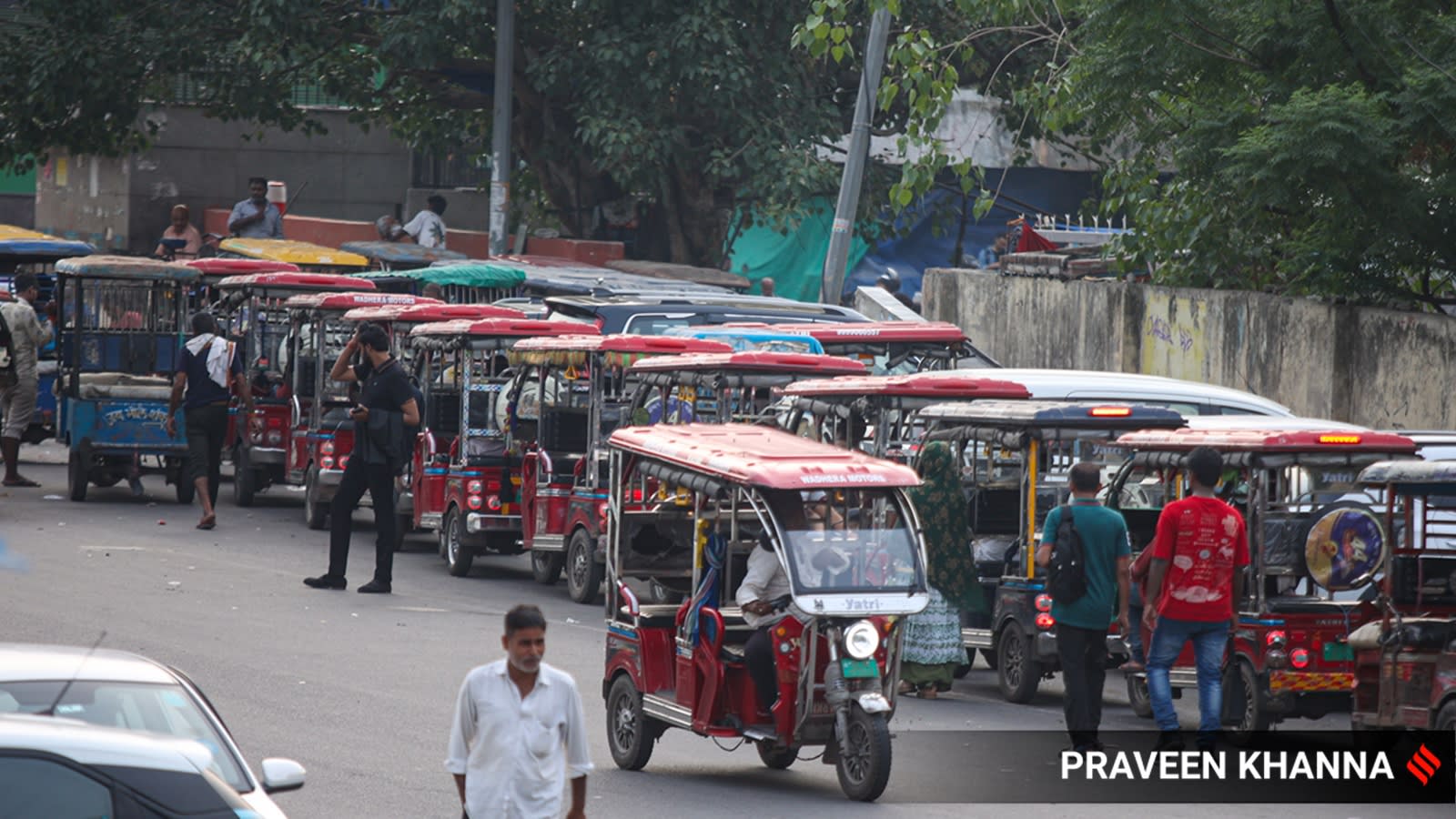
E-rickshaws in Delhi recently experienced sudden stalls caused by cybersecurity vulnerabilities in their Battery Management Systems (BMS), which allowed certain Chinese apps to remotely disable the vehicles, sparking warnings about India's dependence on imported EV components.
The Digital Kill-Switch: Analyzing the E-Rickshaw Cybersecurity Crisis in Delhi
Recent reports of e-rickshaws suddenly stalling across the streets of Delhi have transitioned from a perceived mechanical nuisance to a critical cybersecurity alarm. The discovery that these vehicles could be remotely disabled via specific Chinese applications reveals a profound vulnerability in the hardware powering India's last-mile connectivity. This incident is not merely a technical glitch but a demonstration of how the integration of IoT (Internet of Things) in low-cost electric vehicles (EVs) can create systemic risks if security protocols are neglected.
The Technical Vulnerability of the BMS
At the heart of this issue is the Battery Management System (BMS), the electronic system that manages a rechargeable battery's health, safety, and state of charge. In many of the affected e-rickshaws, these BMS units are imported and come pre-configured with communication protocols that allow for remote monitoring via smartphone apps. The vulnerability lies in the lack of robust encryption and authentication. When an app can send a command to the BMS to 'trip' the circuit or enter a shutdown mode without authorized credentials, the battery essentially becomes a brick, leaving the driver stranded in the middle of traffic.
Supply Chain Dependency and the 'Backdoor' Risk
This event highlights a precarious dependency on foreign-made components, specifically from China, which dominates the global EV battery supply chain. For many small-scale assemblers in India, importing cheap, off-the-shelf BMS units is the most viable economic path. However, this economic efficiency comes with a hidden 'security tax.' The ability of a third-party app to disable a vehicle suggests the existence of undocumented backdoors or poorly secured APIs. This creates a scenario where the operational control of critical urban transport is effectively held by external software entities, posing a significant risk to public order and transport stability.
Broader Implications for India's EV Transition
As India aggressively pushes toward electric mobility through various subsidies and mandates, the Delhi incident serves as a cautionary tale. The transition to EVs is not just a shift in fuel source but a shift toward 'software-defined vehicles.' If the underlying hardware is insecure, the entire transport ecosystem becomes susceptible to large-scale disruptions. A coordinated attack disabling thousands of e-rickshaws could paralyze urban logistics and commute patterns, turning a convenience into a liability. This necessitates a shift in focus from merely increasing the number of EVs on the road to ensuring the cybersecurity resilience of every component.
The Path Toward Sovereign Hardware
To mitigate these risks, there is an urgent need for the implementation of stringent certification standards for imported EV components. The Indian government's push for 'Make in India' and the Production Linked Incentive (PLI) schemes for Advanced Chemistry Cell (ACC) battery storage are critical steps in this direction. By developing indigenous BMS technology and enforcing strict cybersecurity audits—similar to those required for telecommunications equipment—India can ensure that the 'kill-switch' for its transport infrastructure remains in domestic hands.
Conclusion: A Wake-Up Call for Urban Mobility
In summary, the stalling e-rickshaws of Delhi are a physical manifestation of a digital threat. The incident underscores that in the era of connected mobility, cybersecurity is as essential as brake fluid or tire pressure. Moving forward, the integration of EVs into the public fabric must be accompanied by a rigorous framework of digital sovereignty and hardware verification to prevent foreign software from dictating the movement of Indian citizens.