‘No one can switch off my e-rickshaw now’: Delhi drivers beat Bluetooth hack
Source Entity
Devansh Mittal
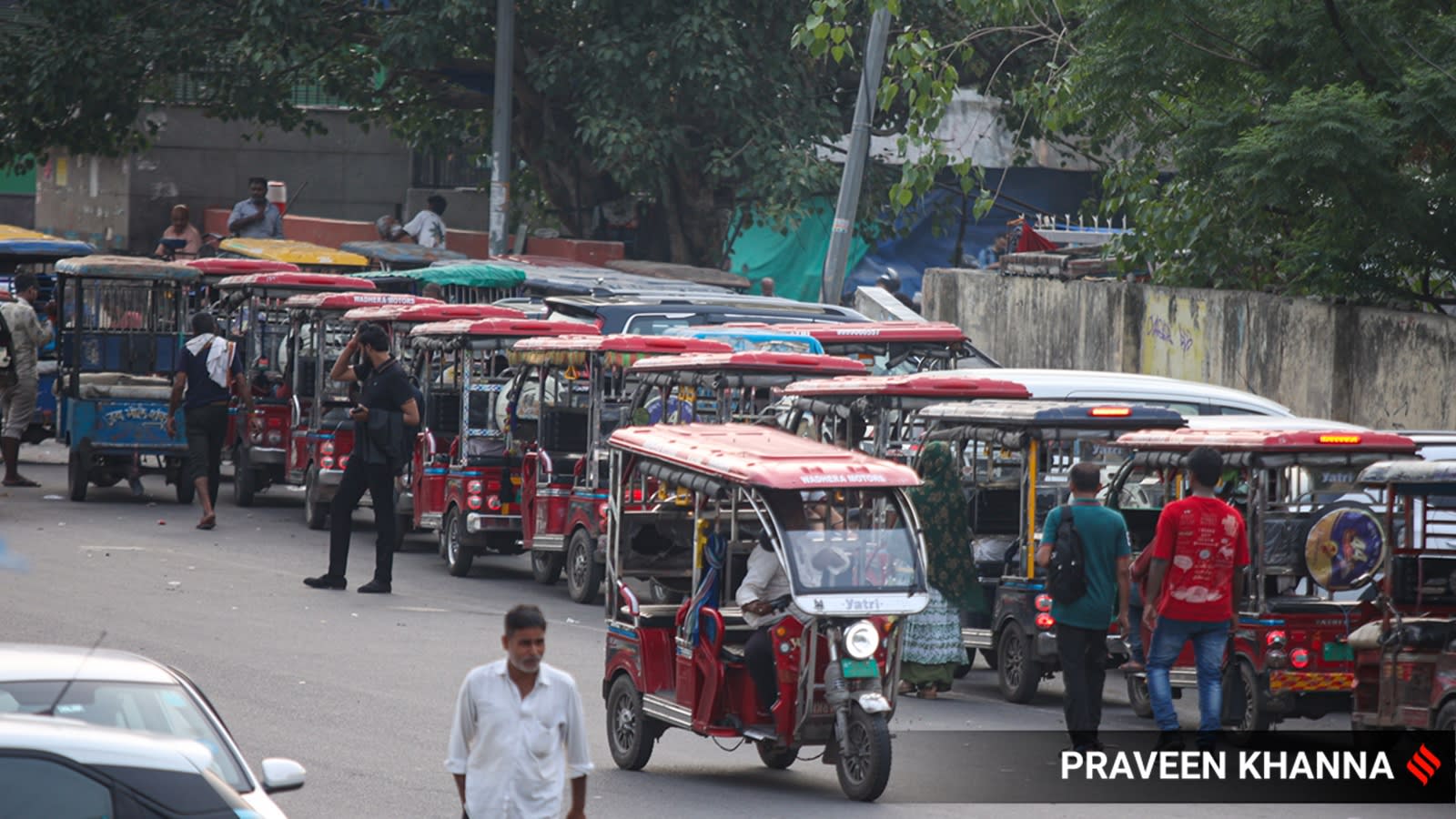
E-rickshaw drivers in Delhi have faced a wave of Bluetooth-based hacks where malicious actors remotely shut off their vehicles. Drivers are now taking corrective measures to secure their vehicles and protect their livelihoods.
The Invisible Threat: Analyzing the Bluetooth Hacking of Delhi's E-Rickshaws
The streets of Delhi, characterized by the constant hum of electric rickshaws, recently became the site of a peculiar and distressing technological battle. For many drivers, the convenience of electric mobility was overshadowed by a sudden wave of "Bluetooth hacks," where vehicles were remotely shut down without warning. This phenomenon created an atmosphere of uncertainty and fear among operators who rely on these vehicles for their daily survival, turning a tool of empowerment into a source of anxiety.
The Technical Vulnerability of Low-Cost IoT
At the heart of the issue is the proliferation of low-cost, third-party electronic controllers used in many e-rickshaws. These controllers often feature Bluetooth connectivity designed for remote locking or starting, but they frequently lack basic encryption or authentication protocols. Malicious actors, using simple Bluetooth scanning applications on smartphones, were able to identify these open signals and send a "kill" command to the vehicle's power system. This allowed hackers to switch off a rickshaw from a distance, often while the driver was navigating dense traffic, exploiting a fundamental flaw in the hardware's security architecture.
Socio-Economic Impact on the Driver Community
For drivers like 45-year-old Peshkar, the impact was more than just a technical glitch; it was a direct threat to their livelihood. E-rickshaw drivers in Delhi typically operate on thin margins, and any disruption to their service translates directly into lost wages. Furthermore, the safety implications are severe. A vehicle suddenly losing power in the middle of a busy intersection can lead to accidents, leaving both the driver and passengers vulnerable to collisions. The psychological toll of not knowing if one's vehicle will suddenly fail is a significant burden for those in the informal transport sector.
Grassroots Adaptation and Solutions
In response to these attacks, drivers have begun implementing grassroots solutions to "beat" the hack. While the provided context highlights Peshkar's relief after taking action, the general trend involves drivers visiting local mechanics to have the Bluetooth modules physically disconnected or disabled. By removing the wireless entry point, drivers are effectively "air-gapping" their vehicles from external interference. This physical intervention ensures that the only way to switch off the vehicle is through the physical ignition, prioritizing reliability over the convenience of wireless features.
Broader Implications for IoT Security in Transit
This incident highlights a critical vulnerability in the rapid deployment of "smart" technology within the global transport sector. The race to make e-mobility affordable has often come at the cost of cybersecurity. When basic IoT (Internet of Things) components are integrated without rigorous security audits, they create "invisible" doors for attackers. The Delhi e-rickshaw crisis serves as a cautionary case study for the necessity of standardized security protocols in low-cost electric vehicles to prevent systemic disruptions and ensure public safety.
Future Trends in E-Mobility Security
Looking forward, this event is likely to push the Indian e-mobility market toward more regulated hardware standards. As the government pushes for increased electric vehicle (EV) adoption, there will be an increasing need for certifications that cover not just battery safety, but also electronic security. We can expect a shift toward more secure, encrypted communication modules that prevent unauthorized remote access, moving away from the generic, open-source controllers that enabled these hacks in the first place.
Conclusion
Ultimately, the resilience of Delhi's e-rickshaw drivers in overcoming these Bluetooth hacks underscores the intersection of cutting-edge technology and grassroots adaptation. While the immediate fear has eased for drivers like Peshkar, the event stands as a reminder that as our cities become more connected, the security of the simplest tools—like a neighborhood rickshaw—becomes paramount to the stability and safety of urban transit.