OnePlus officially gives up on the US and Europe
Source Entity
Dominic Preston
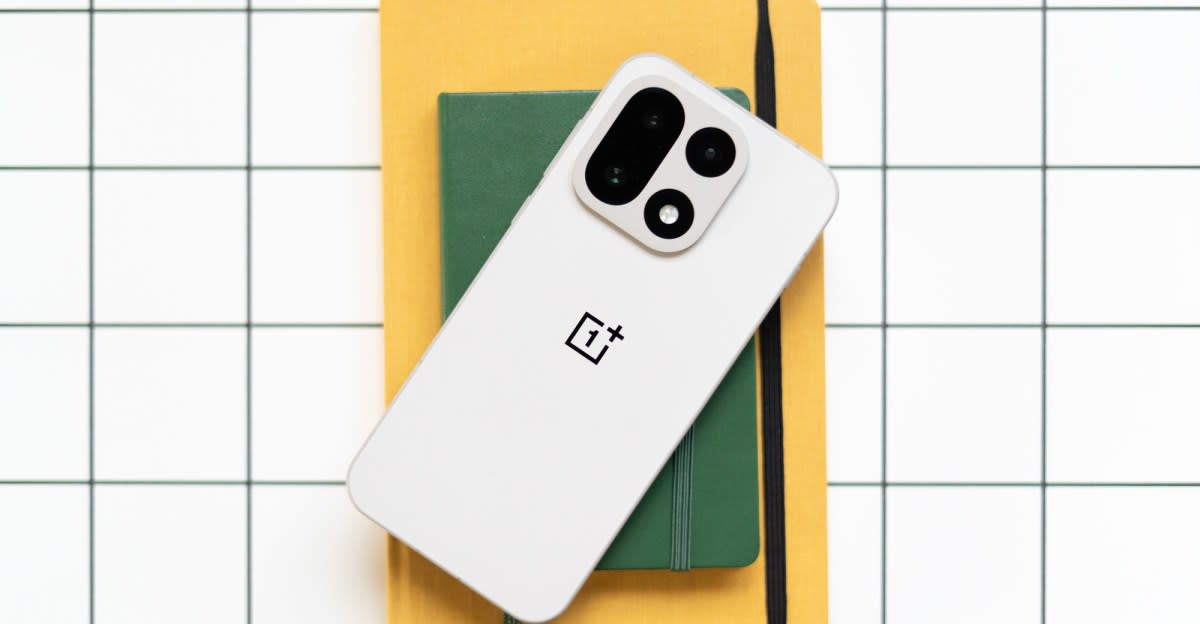
OnePlus has announced its complete withdrawal from the US and European markets, ceasing all future product launches in these regions. Parent company Oppo will maintain existing warranty and support obligations, with devices transitioning to ColorOS for future software updates.
The End of an Era: OnePlus Exits Western Markets
In a move that signals a massive strategic pivot for the global smartphone landscape, OnePlus has officially confirmed its departure from the United States and European markets. This decision marks the conclusion of a decade-long ambition to challenge the established hegemony of Apple and Samsung in the West. For a brand that built its identity as the "flagship killer," this retreat is not merely a business adjustment but a symbolic end to the era of aggressive, community-driven disruption in the premium handset sector.
Strategic Hurdles and Market Saturation
The decision to quit the US and Europe likely stems from the immense difficulty of penetrating markets dominated by a rigid duopoly and powerful carrier influence. In the United States, the reliance on carrier partnerships for distribution creates high barriers to entry and thin margins for manufacturers. Despite OnePlus's efforts to move from a direct-to-consumer model to carrier deals, the cost of customer acquisition and the saturation of the premium segment made sustainable growth increasingly elusive. In Europe, fragmented regulatory environments and the strong presence of budget-friendly alternatives have likely squeezed the brand's unique value proposition.
The Software Identity Crisis: OxygenOS to ColorOS
One of the most critical aspects of this exit is the transition of existing devices to ColorOS. For years, the primary differentiator for OnePlus was OxygenOS—a lean, near-stock Android experience that appealed to enthusiasts and power users. By transitioning these devices to Oppo's ColorOS, the brand is effectively dissolving its distinct software identity. This move suggests that the operational overhead of maintaining two separate software skins was no longer justifiable, signaling a full integration into the Oppo ecosystem to streamline development costs and resource allocation.
Consumer Protection and After-Sales Logistics
To mitigate the inevitable backlash from current users, parent company Oppo has stepped in to guarantee that existing support and warranty agreements will be honored. This is a crucial move to prevent a total collapse of brand trust. However, the logistical transition from OnePlus-branded support to Oppo-led infrastructure presents significant challenges. Users may face confusion regarding service centers and parts availability, as the transition from a specialized brand to a corporate parent often involves a shift in customer service philosophy and accessibility.
The Market Vacuum and Future Trends
The departure of OnePlus creates a notable void in the "affordable flagship" segment. This opening is likely to be aggressively pursued by Google with its Pixel 'a' series and by Samsung through its A-series, both of whom offer similar value propositions with stronger local support networks. Furthermore, this retreat suggests a broader trend among Chinese OEMs to refocus their energies on the Asian market—specifically India and China—where brand loyalty is higher and the growth potential remains more dynamic compared to the stagnating growth rates in the West.
Conclusion: A Pivot Toward Consolidation
Ultimately, the exit of OnePlus from the US and Europe is a case study in the difficulties of scaling a niche, enthusiast-led brand into a global powerhouse. While the "flagship killer" mantra succeeded in gaining mindshare, it struggled to maintain market share against giants with deeper pockets and better distribution. As Oppo consolidates its resources, the industry will likely see more mergers and retreats as companies prioritize profitability and regional dominance over global ubiquity.