60% of environmental compensation charge still lying unused: RTI reply
Source Entity
Latest News: Todays Latest News Headlines from India & World | Hindustan Times | Hindustan Times
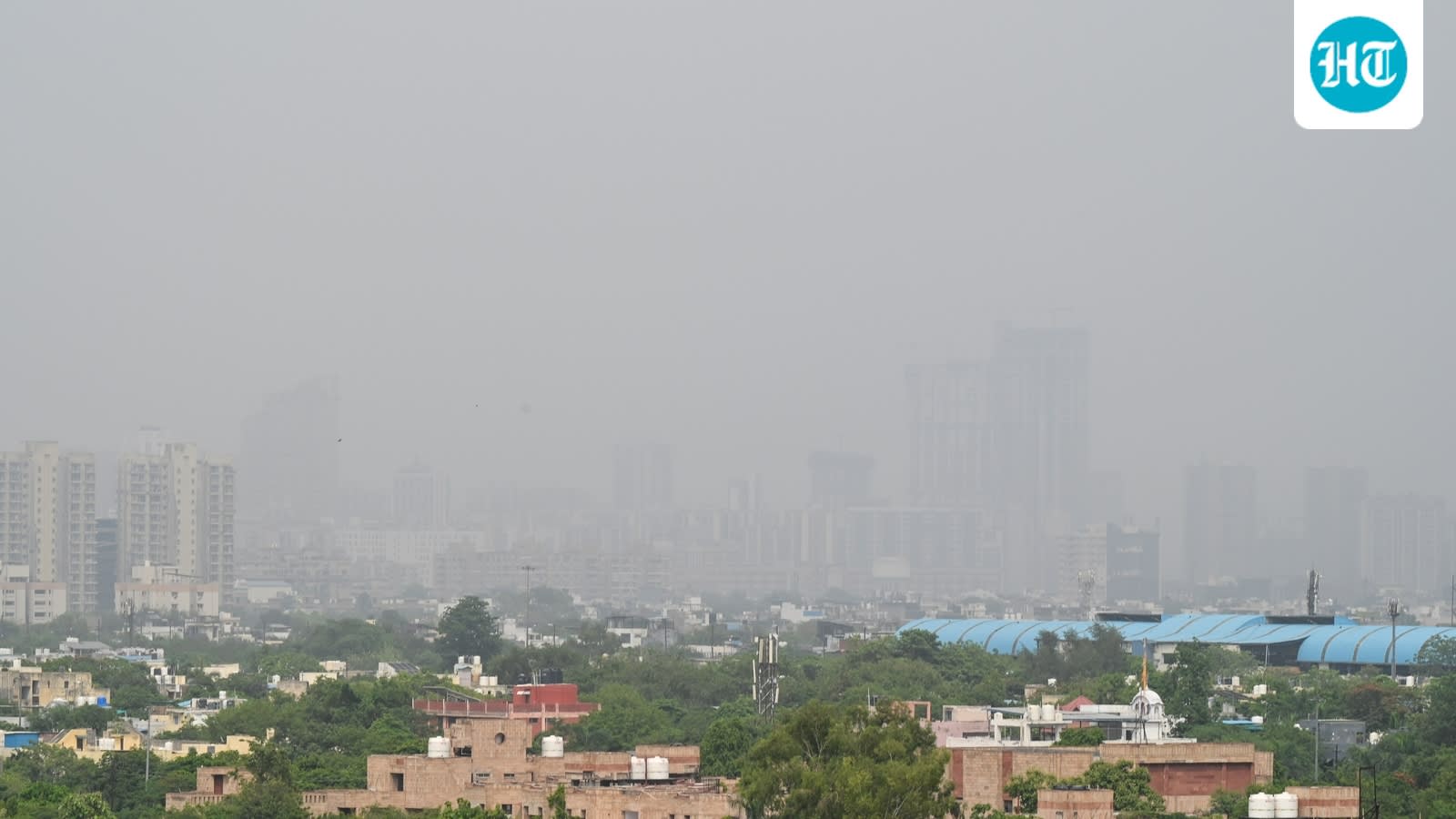
An RTI response reveals that 60% of Delhi's Environmental Compensation Charge funds remain unspent despite worsening winter air quality. The Supreme Court has repeatedly urged the government to utilize these resources for effective pollution control measures.
The Crisis of Unspent Environmental Funds in Delhi
Recent data obtained through a Right to Information (RTI) request has unveiled a concerning fiscal reality regarding Delhi’s battle against air pollution. Despite collecting a substantial ₹1,935.44 crore through the Environmental Compensation Charge (ECC)—a levy imposed on commercial vehicles entering the capital—the Delhi government has reportedly left 60% of these funds untouched. With only ₹781.51 crore utilized, a staggering ₹1,153.93 crore remains dormant in government coffers, raising serious questions about the administrative efficiency of environmental governance as the city enters the critical winter season.
The Purpose and Origin of the ECC
The ECC was established as a targeted financial instrument designed to mitigate the environmental impact of heavy commercial traffic within the National Capital Region. By placing a financial burden on vehicles that contribute significantly to particulate matter and nitrogen oxide emissions, the policy aimed to create a dedicated funding stream for pollution abatement technologies and infrastructure. However, the current accumulation of unspent capital suggests a disconnect between the collection of environmental levies and the actual deployment of remedial measures on the ground.
Judicial Oversight and Accountability
The Supreme Court of India has historically played an active role in scrutinizing the management of these funds. Recognizing the urgency of the capital's air quality crisis, the judiciary has previously intervened, explicitly directing the Delhi government to devise a comprehensive roadmap for the utilization of these resources. The court's insistence on focusing both on long-term structural changes and the immediate, interim recommendations provided by the Commission for Air Quality Management (CAQM) highlights a systemic failure to translate judicial mandates into tangible environmental policy execution.
Implications for Winter Pollution Control
As Delhi transitions into winter, the atmospheric conditions typically lead to the trapping of pollutants, resulting in hazardous air quality levels that impact millions of residents. The existence of over ₹1,150 crore in unspent funds is particularly alarming in this context. These resources were intended to fund critical interventions—such as road sweeping, anti-smog guns, and traffic management systems—that are essential for managing the seasonal spike in pollution. The failure to deploy these funds leaves the city vulnerable, as the necessary infrastructure upgrades remain stalled due to this administrative bottleneck.
Future Trends and Policy Necessity
Looking ahead, the mismanagement of ECC funds highlights a broader need for institutional transparency and stricter fiscal accountability. To reverse this trend, the government must move beyond mere compliance and establish a dedicated, time-bound mechanism for the disbursement of environmental funds. Experts suggest that without a shift toward proactive, data-driven spending, the ECC risks becoming a stagnant revenue source rather than the potent environmental tool it was intended to be. The Supreme Court’s continued monitoring will be vital in ensuring that these financial resources are finally directed toward the urgent task of cleaning Delhi's air.
Verification Required?