Licence Renewed Day Before Delhi Fire That Killed 23: Probe Exposes Lapses
Source Entity
NDTV News Search Records Found 1000
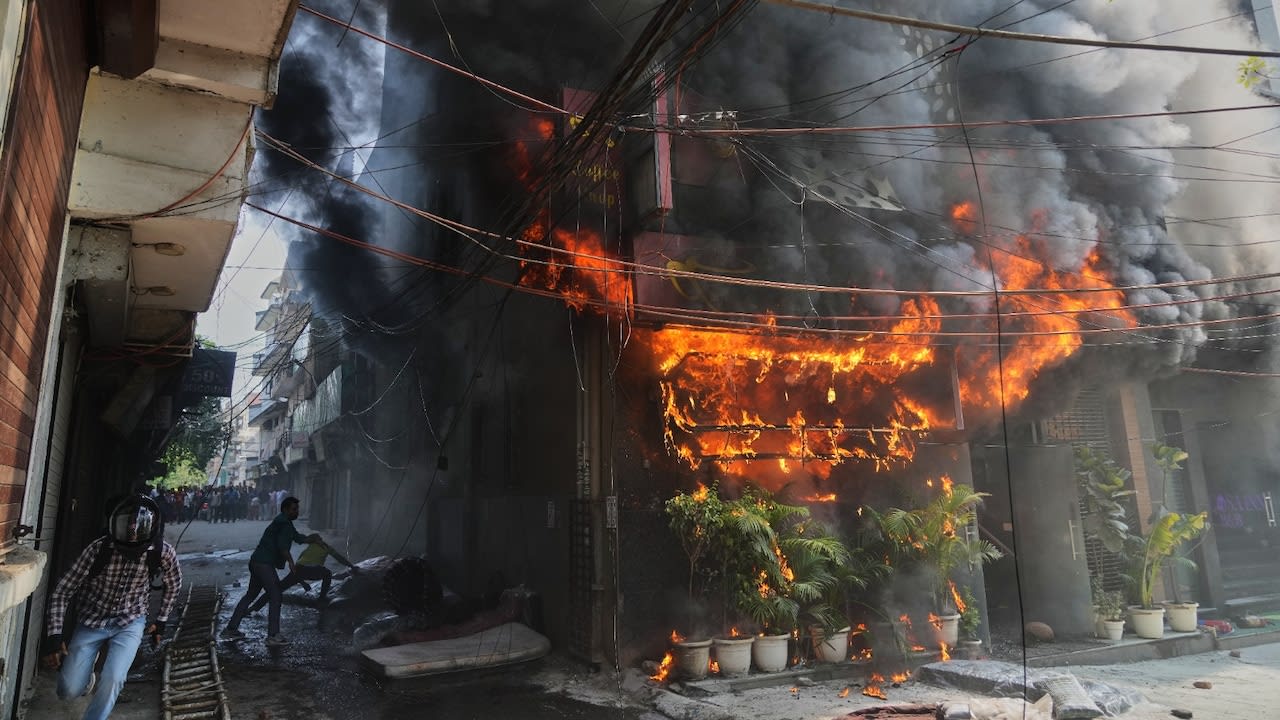
A recent probe into a fatal Delhi fire that claimed 23 lives revealed that the facility's license was renewed just one day before the tragedy. The investigation highlights critical safety lapses, specifically noting that blocked exits forced rescuers to break windows to reach victims.
The Delhi Fire Tragedy: A Failure of Oversight
Recent investigative reports into the devastating fire in Delhi, which resulted in the tragic loss of 23 lives, have uncovered a deeply troubling narrative of administrative negligence. The most startling revelation from the probe is that the facility’s operating license was renewed a mere 24 hours before the incident occurred. This timing suggests a profound disconnect between the bureaucratic process of certification and the physical reality of safety standards on the ground.
Critical Infrastructure Lapses
The physical layout of the building proved to be a death trap during the emergency. According to the investigation, the main exit was completely obstructed by flames and thick smoke, leaving occupants with no viable path to escape. This failure in fire safety management—specifically the inability to maintain clear, accessible egress routes—is a recurring theme in urban fire disasters. The necessity for rescuers to break windows to gain access underscores the severity of the structural entrapment the victims faced.
The Bureaucratic Loophole
The renewal of the license just one day prior to the fire raises serious questions regarding the efficacy of safety inspections. When a facility receives official authorization despite lacking the necessary fire suppression or evacuation protocols, it points to a systemic failure in the oversight mechanism. This event serves as a stark reminder that administrative compliance on paper does not equate to the actual implementation of life-saving safety measures.
Broader Urban Implications
This tragedy highlights the broader, systemic risks present in densely populated urban environments like Delhi. Rapid urbanization often outpaces the enforcement of fire safety codes, leading to a proliferation of buildings that operate with outdated or ignored safety protocols. The reliance on retrospective investigations rather than proactive, rigorous inspections remains a primary driver of such preventable catastrophes.
Future Trends and Reform
Moving forward, there is an urgent need for a paradigm shift in how urban safety licenses are issued and monitored. Authorities must move toward a model of real-time, digital-first monitoring of safety compliance rather than relying on periodic, easily manipulated paper renewals. Without a fundamental restructuring of the inspection process and stricter accountability for those who authorize dangerous facilities, the risk of similar, avoidable tragedies remains high.
Conclusion
The loss of 23 lives due to a fire that occurred immediately following a license renewal is a harrowing indictment of current safety protocols. As investigations continue, the focus must remain on identifying the specific failures that allowed a compromised building to remain open, ensuring that such administrative oversights do not lead to further loss of life.
Verification Required?