Rs 17L looted in 28 seconds: CCTV captures gunpoint robbery by bike-borne men in Delhi
Source Entity
KHUSHI BHUTA
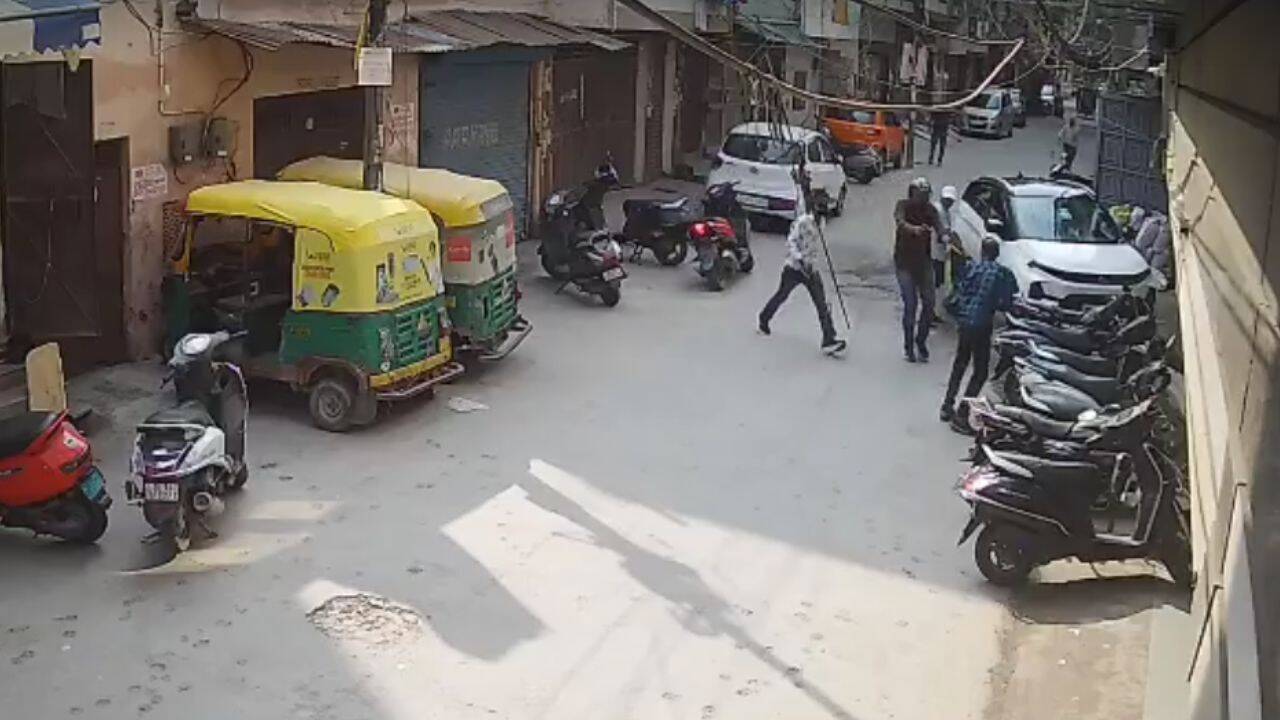
An employee was robbed of seventeen lakh rupees in east Delhi's Gandhi Nagar market. Two bike-borne assailants threatened him at gunpoint and snatched his cash bag. CCTV footage shows the incident occurring around 4:09 pm on Friday afternoon. Police are analyzing the video to identify and apprehend the two accused individuals. The preliminary investigation suggests the robbers had been following the victim.
Brazen Daybreak Heist: Analysis of the Gandhi Nagar Market Robbery
In a startling display of audacity and precision, two unidentified assailants executed a high-stakes robbery in the heart of East Delhi's Gandhi Nagar market, fleeing with 17 lakh rupees in just 28 seconds. The incident, which occurred at approximately 4:09 pm on a Friday, underscores a growing trend of rapid-execution crimes in densely populated urban centers. The use of firearms to intimidate the victim during broad daylight suggests a level of desperation or professional confidence that is deeply concerning for local commerce and public safety.
The Mechanics of a 28-Second Crime
The brevity of the robbery—lasting less than half a minute—is a critical detail that points toward meticulous planning. According to preliminary police investigations, the robbers were likely following the victim, suggesting that the target was pre-selected based on the knowledge that he was carrying a significant sum of cash. This 'stalk-and-strike' tactic allows criminals to minimize their exposure time, reducing the likelihood of bystander intervention and ensuring a swift exit before security forces or crowds can react. The synchronization between the driver and the gunman indicates a coordinated effort designed for maximum efficiency.
Gandhi Nagar Market: A High-Risk Economic Hub
To understand why this event occurred in Gandhi Nagar, one must look at the nature of the location. Gandhi Nagar is one of Asia's largest textile markets, characterized by a massive volume of wholesale transactions. Historically, such markets have remained heavily dependent on cash for rapid settlements and informal trade. This reliance on physical currency creates a 'high-reward' environment for criminals. The congestion of the market, while appearing as a deterrent, actually provides the perfect cover for bike-borne criminals to blend into the traffic and disappear quickly into the narrow lanes of East Delhi.
The Trend of Bike-Borne Urban Crime
This incident reflects a broader systemic challenge facing urban policing in India. The 'bike-borne' modus operandi is favored by criminals due to the agility motorcycles offer in Delhi's notorious traffic congestion. Unlike cars, bikes can navigate through tight alleys and bypass gridlock, making them the ideal vehicle for 'snatch-and-run' operations. The use of helmets, common in the city, further aids the perpetrators by obscuring their identities from CCTV cameras, creating a significant hurdle for forensic identification despite the availability of footage.
The Role of Digital Surveillance and Forensic Gaps
While the presence of CCTV footage is instrumental in establishing the timeline and the method of the crime, it also highlights the limitations of passive surveillance. The police are currently analyzing the video to track the escape route, but the success of such investigations often depends on the continuity of camera coverage across different streets. This event emphasizes the need for integrated, high-resolution surveillance networks and real-time monitoring to transition from 'post-event analysis' to 'active prevention.'
Broader Implications for Financial Security
Beyond the immediate criminal investigation, this robbery serves as a stark reminder of the risks associated with transporting large sums of cash. In an era where India has aggressively pushed for digitalization through UPI and other electronic payment systems, the loss of 17 lakh rupees highlights a lingering gap in the adoption of secure financial transfers within wholesale trade sectors. Future trends suggest that as these 'cash-heavy' hubs transition to digital ledgers, the incentive for such brazen street robberies may diminish, though the criminals may pivot toward cyber-enabled fraud.
Conclusion
The Gandhi Nagar robbery is a textbook example of a targeted urban heist, combining surveillance of the victim with the tactical advantage of a high-mobility vehicle. The speed of the execution and the choice of a high-traffic commercial zone demonstrate a calculated risk by the perpetrators. As the Delhi Police continue their pursuit, this event will likely prompt a call for increased patrolling in wholesale markets and a renewed push for traders to abandon the risky practice of carrying large cash reserves.