All-women staff, panic buttons: Delhi govt plans to expand ladies special bus service
Source Entity
The Indian Express
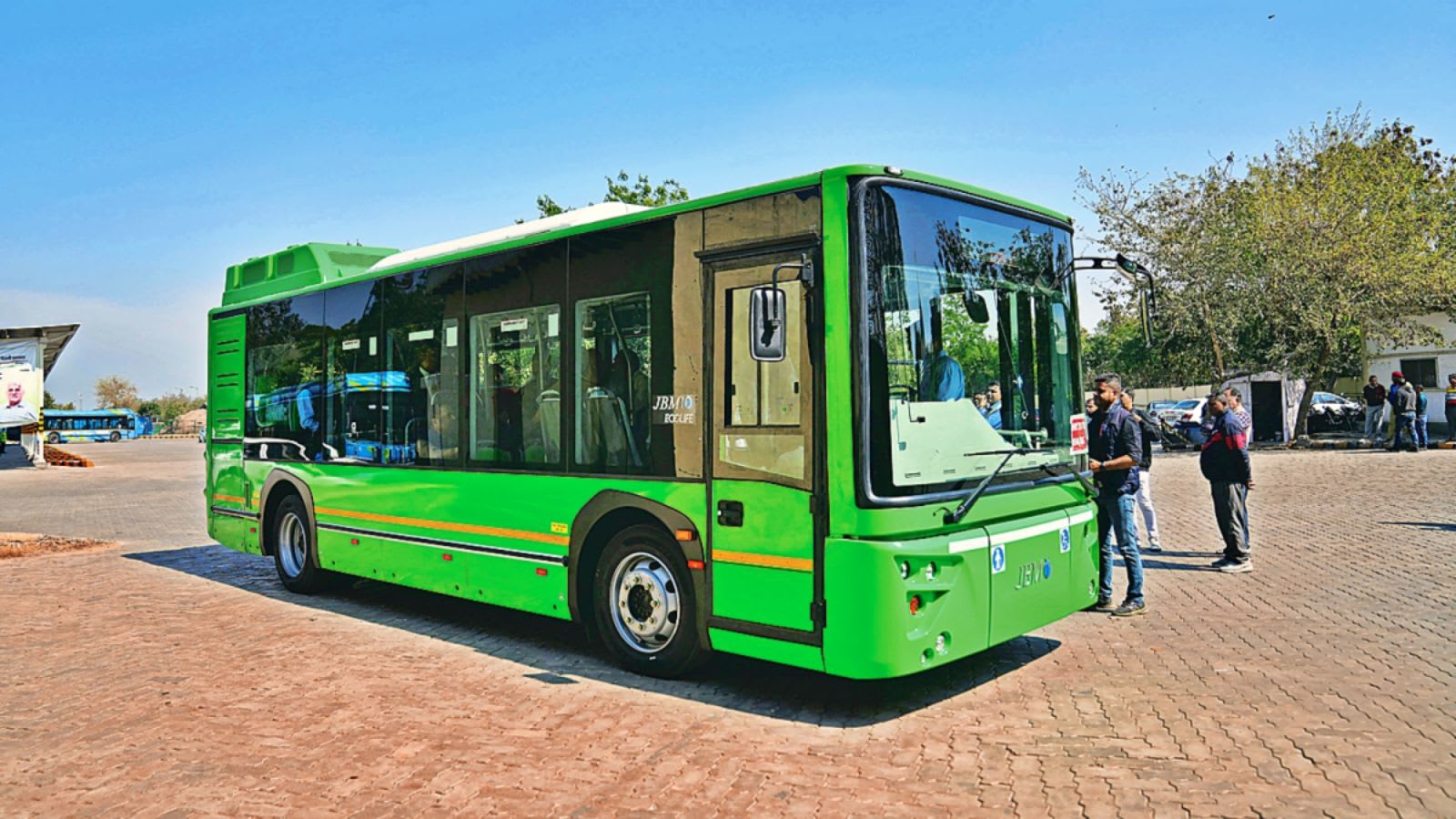
The government is planning to expand this service to 20-25 busy routes like Central Delhi and ITO and areas where prominent colleges and offices are located. (File Photo) All-women staff, marshalls, ...
Enhancing Urban Mobility: Delhi's Strategic Expansion of Ladies-Special Bus Services
The Delhi government has announced a significant expansion of its ladies-special bus services, a move designed to address the systemic challenges of safety and accessibility for women in one of the world's most populous urban centers. By targeting 20-25 of the city's busiest routes, the initiative seeks to create a secure transit environment that specifically caters to the needs of female students and working professionals. This expansion is not merely a logistical upgrade but a targeted socio-political intervention aimed at reducing the barriers that women face when navigating the city's complex transport network.
Strategic Route Selection and Economic Integration
The decision to prioritize routes passing through Central Delhi, the ITO area, and zones with a high density of prominent colleges and offices is a calculated move to align public transport with the economic and educational rhythms of the city. ITO and Central Delhi serve as the nerve centers of administration and commerce; by ensuring safe passage through these hubs, the government is effectively supporting women's participation in the workforce. When female commuters have reliable and safe transport options to reach major employment hubs, it reduces the 'mobility gap,' potentially increasing the labor force participation rate among women in the National Capital Region (NCR).
A Multi-Layered Approach to Safety Infrastructure
A critical component of this expansion is the implementation of a comprehensive safety ecosystem. The introduction of all-women staff and marshals is designed to eliminate the intimidation and harassment often experienced by women in mixed-gender public transport. This 'gender-segregated' operational model provides a psychological safety net, ensuring that passengers feel supported by a crew that understands their specific vulnerabilities. Furthermore, the installation of panic buttons adds a layer of technological security, allowing for immediate emergency communication. This combination of human oversight and technical safeguards represents a shift toward a more holistic approach to urban safety.
Sociological Implications and Gender-Sensitive Planning
From a sociological perspective, the expansion of these services acknowledges that the urban experience is gendered. Public spaces, including buses, are often navigated differently by women due to safety concerns. By creating dedicated spaces, the Delhi government is implementing a form of gender-sensitive urban planning. This strategy recognizes that providing 'equal' access is not the same as providing 'equitable' access; whereas a standard bus is available to all, a ladies-special bus provides the specific security requirements necessary for women to utilize that service without fear.
Historical Context and Future Urban Trends
Historically, Delhi has struggled with the dual challenge of extreme congestion and high rates of crimes against women. Previous attempts to improve safety have often focused on policing, but this initiative shifts the focus toward preventive infrastructure and specialized staffing. Looking forward, this trend of 'safe zones' in public transport is likely to evolve. We may see the integration of AI-driven monitoring or real-time tracking for these specific routes to further enhance security. This model could serve as a blueprint for other metropolitan cities in India and across the Global South facing similar urban safety crises.
Conclusion: Toward an Inclusive Transit Future
In summary, the Delhi government's plan to expand ladies-special buses with all-women staff and panic buttons is a vital step toward making the city more inclusive. By focusing on high-traffic academic and commercial corridors, the initiative directly supports the empowerment of women through mobility. While the success of the program will depend on consistent implementation and maintenance of the safety equipment, the strategic focus on the most vulnerable points of the commute marks a significant improvement in the city's approach to public welfare and gender safety.