Government plans to rope in hotel chains to maintain Arvind Kejriwal’s former Civil Lines bungalow
Source Entity
Gayathri Mani
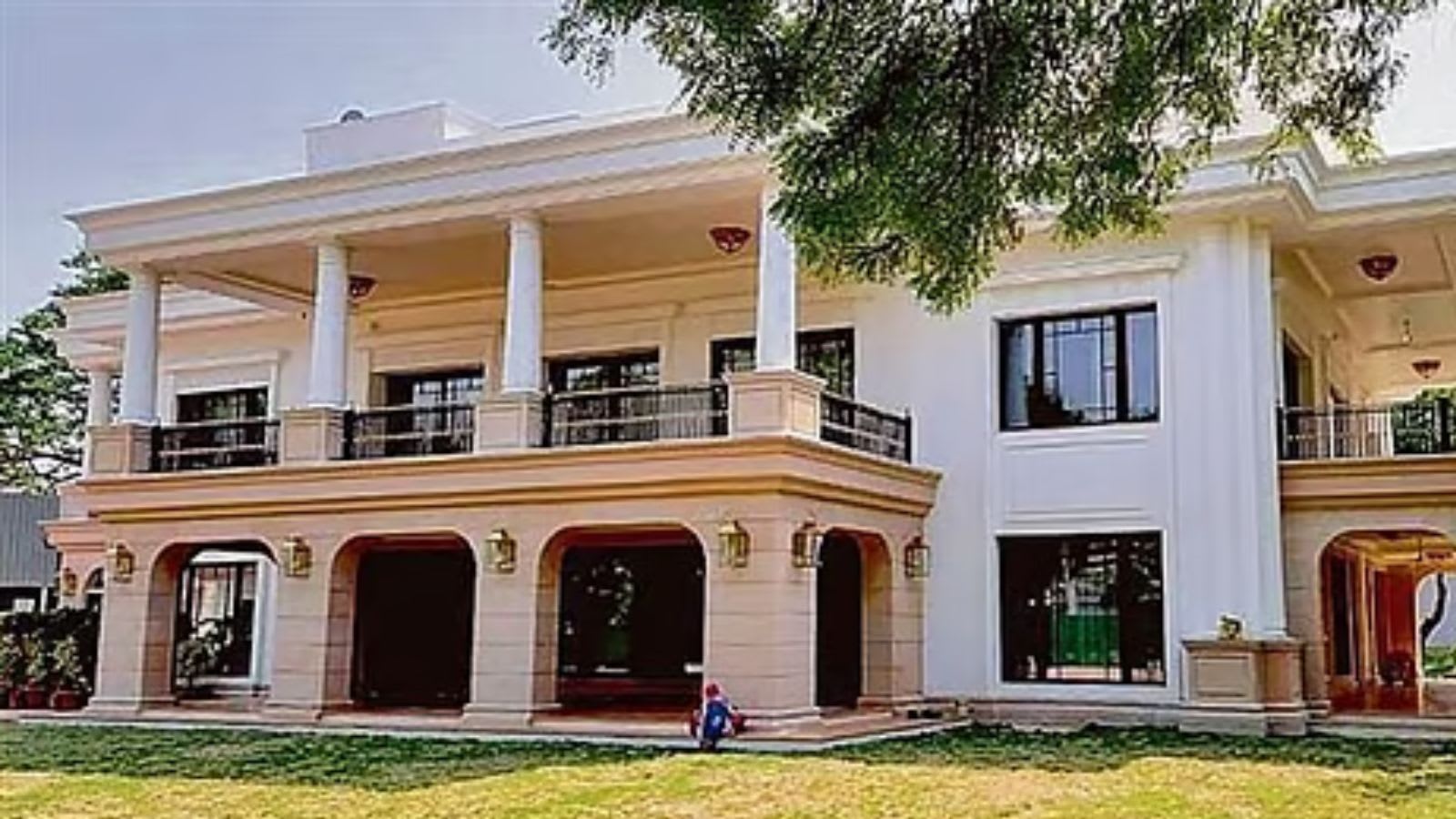
The Delhi Government plans to convert the former official residence of Chief Minister Arvind Kejriwal at 6, Flagstaff Road, into a state guest house and cultural centre, seeking partnerships with professional hotel chains for its maintenance.
Transitioning Power: The Transformation of 6, Flagstaff Road
The Delhi Government has announced a strategic pivot regarding the official residence previously occupied by former Chief Minister Arvind Kejriwal. Located at 6, Flagstaff Road in the upscale Civil Lines area, the property is slated to be repurposed into a dual-purpose state guest house and cultural centre. To ensure the facility meets high standards of hospitality and upkeep, the government is exploring partnerships with established hotel chains to manage the maintenance and operational aspects of the site. This move signals a shift from the property being a private executive enclave to a state asset intended for public and diplomatic utility.
Professionalizing State Hospitality
By roping in professional hotel chains, the Delhi Government is acknowledging the gap between traditional government-run maintenance and the standards required for a high-profile state guest house. Hotel chains bring standardized operating procedures (SOPs), specialized staffing, and a level of luxury and efficiency that internal public works departments often struggle to maintain. This approach is likely intended to ensure that the venue can host dignitaries, foreign delegations, and cultural artists with a level of sophistication that reflects positively on the National Capital Territory (NCT) of Delhi. The integration of private sector expertise into state-owned infrastructure is a growing trend in urban governance to reduce bureaucratic inefficiency.
The Shadow of the 'Sheesh Mahal' Controversy
To understand the significance of this repurposing, one must look at the historical context of the residence. The bungalow at 6, Flagstaff Road became a focal point of political contention, often referred to by critics as the 'Sheesh Mahal' due to reports of extensive and costly renovations during Arvind Kejriwal's tenure. The controversy centered on the expenditure of public funds on luxury interiors and modifications. By converting the residence into a cultural centre and guest house, the current administration may be attempting to 'democratize' the space, effectively neutralizing political criticism by turning a symbol of perceived extravagance into a functional public asset.
Promoting Culture and Diplomacy
The decision to include a 'cultural centre' within the complex suggests a broader ambition to utilize the property for soft-power projection. A cultural centre in the heart of Civil Lines could serve as a hub for showcasing Delhi's diverse heritage, hosting art exhibitions, and facilitating intellectual discourse. This transformation aligns with the goal of making the city more accessible to artists and scholars, while simultaneously providing the government with a controlled environment to host state-sponsored cultural events. This dual identity—part hotel, part gallery—allows the government to blend administrative necessity with civic enrichment.
Administrative and Financial Implications
From a fiscal perspective, outsourcing the maintenance to hotel chains could be a strategic move to optimize costs over the long term. While the initial contract may be significant, the professional management of the facility prevents the rapid deterioration often seen in government buildings. Furthermore, if the guest house operates on a semi-commercial or cost-recovery model for certain types of visitors, it could potentially offset a portion of its own operational expenses. This shift represents a move toward a 'Public-Private Partnership' (PPP) light model for the maintenance of heritage and official state properties.
Future Outlook and Political Trajectory
Looking forward, the successful execution of this project will likely depend on the transparency of the bidding process for the hotel chains involved. Politically, the move will be watched closely by opposition parties to see if the 'cultural centre' aspect is genuinely utilized or if it remains a facade for expensive state hospitality. If implemented correctly, 6, Flagstaff Road could set a precedent for how former official residences in India are handled—moving away from being vacant white elephants or sites of political dispute, and instead becoming active contributors to the city's cultural and diplomatic landscape.
Summary
The conversion of 6, Flagstaff Road from a private official residence to a state guest house and cultural centre is a multifaceted move. It addresses previous political controversies regarding the property's renovation, seeks to elevate the quality of state hospitality through private sector partnerships, and aims to create a new cultural landmark in Delhi. This transition reflects a broader trend of repurposing executive spaces for public and diplomatic utility.