Delhi HC tells ECI not to ‘burden’ govt school teachers with SIR duty, raps threatening letter
Source Entity
Latest News: Todays Latest News Headlines from India & World | Hindustan Times | Hindustan Times
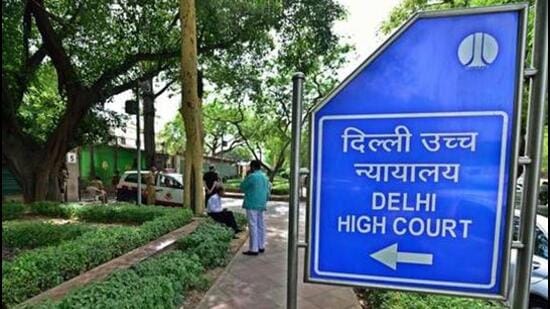
The Delhi High Court has instructed the ECI to stop overburdening government school teachers with electoral roll revision duties. The court also criticized the ECI for using threatening language in official communications regarding mandatory election work.
Delhi High Court Intervenes in Teacher Election Duty Disputes
Protecting Educational Integrity
The Delhi High Court has issued a significant directive to the Election Commission of India (ECI), mandating that government school teachers in the national capital should not be subjected to excessive workloads due to Special Intensive Revision (SIR) of electoral rolls. The court’s intervention underscores a growing concern regarding the diversion of pedagogical human resources toward administrative electoral tasks, which frequently disrupts the academic calendar and student-teacher interaction.
The Human Cost of Administrative Overload
At the heart of this legal challenge is the acknowledgment that teachers often work six to eight hours of direct instruction daily. The court emphasized that requiring these professionals to undertake strenuous electoral duties after their primary responsibilities leads to undue stress and physical exhaustion. This judicial stance recognizes that the quality of education is directly tied to the well-being of the educator, suggesting that systemic reliance on teachers for clerical election work is becoming unsustainable.
Scrutiny of Official Communication
Beyond the workload itself, the bench expressed sharp disapproval regarding the ECI’s communication tactics. Specifically, the court rapped the ECI over a letter dated July 14, which explicitly threatened teachers with disciplinary and legal action should they decline election-related duties or remain absent. The court’s rejection of this coercive language highlights the necessity for administrative bodies to adopt a more collaborative and sensitive approach when engaging public servants for national duties.
Historical Context of Election Duties
Historically, Indian electoral processes have relied heavily on government school staff to manage polling stations and verify electoral rolls, given their widespread presence across the country. However, as the demands of the modern classroom increase, the friction between administrative mandates and academic duties has intensified. This ruling serves as a precedent for balancing national democratic requirements with the fundamental right to an uninterrupted education system.
Future Implications and Policy Shifts
This development is likely to force the ECI to reconsider its mobilization strategies for electoral roll revisions in Delhi and potentially nationwide. Moving forward, the commission may need to explore alternative staffing models or technology-driven solutions for data verification that do not rely on the physical presence of educators. The court’s focus on 'sensitivity' suggests that future administrative circulars will be subjected to higher standards of professional conduct, ensuring that the dignity of the teaching profession is maintained while upholding democratic mandates.
Verification Required?