Tamil Nadu earmarks ₹50 crore revolving fund for disaster preparedness: Minister
Source Entity
India Latest News: Top National Headlines Today & Breaking News | The Hindu
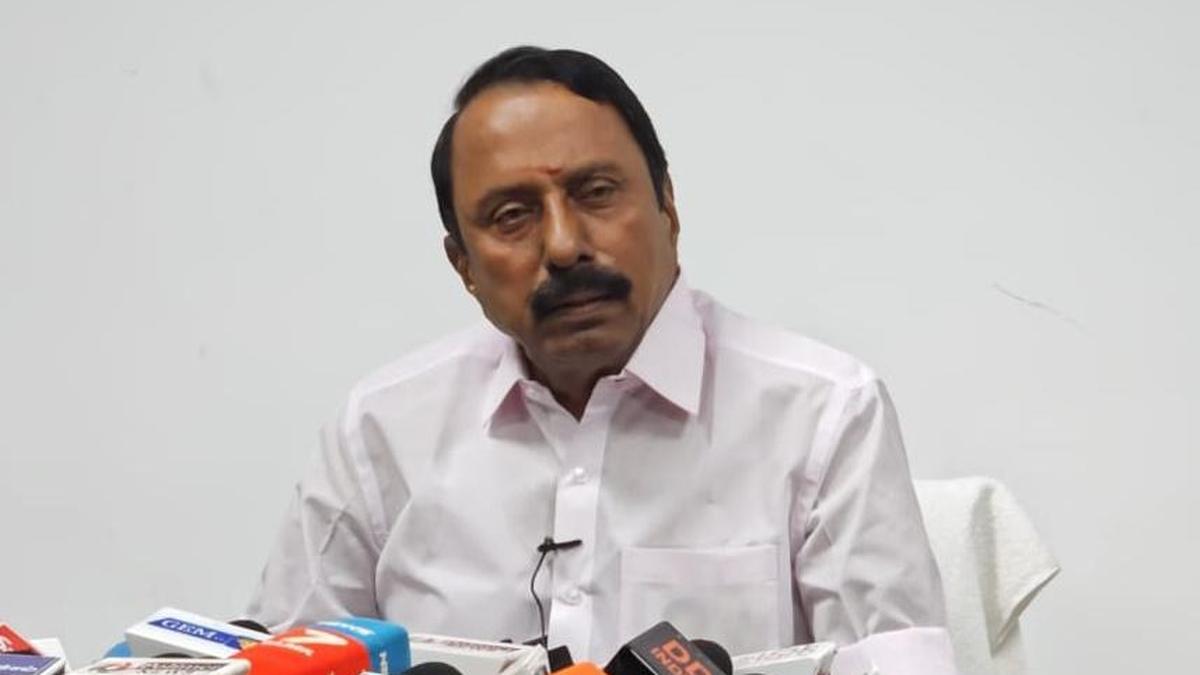
Tamil Nadu has launched a ₹50-crore revolving fund to bolster district-level disaster preparedness and announced a new ₹55-crore State Disaster Management Institute. These initiatives aim to enhance climate resilience and response capabilities against extreme weather events like heatwaves.
Strengthening Tamil Nadu’s Disaster Resilience
In a significant move toward climate-adaptive governance, the Tamil Nadu government has taken proactive steps to fortify its disaster management infrastructure. Revenue and Disaster Management Minister K.A. Sengottaiyan recently inaugurated a workshop in Chennai dedicated to heat resilience, signaling a strategic shift toward mitigating the impacts of increasingly frequent extreme weather patterns. This initiative underscores the state’s commitment to transitioning from a purely reactive relief model to one centered on proactive preparedness and research-driven policy.
Empowering Local Administration with Financial Autonomy
A cornerstone of this announcement is the allocation of a ₹50-crore revolving fund earmarked for the Tamil Nadu Disaster Risk Reduction Agency. By providing District Collectors with immediate access to these financial resources, the state ensures that local authorities can bypass bureaucratic delays when responding to emergencies. This decentralized approach is critical for disaster relief, as it empowers local leadership to deploy resources—such as medical supplies, evacuation logistics, and cooling infrastructure—at the precise moment they are required, thereby minimizing the loss of life and property.
The Role of the State Disaster Management Institute
Complementing the revolving fund is the announcement of the Tamil Nadu State Disaster Management Institute, a project estimated at ₹55 crore. This institute is envisioned as the state’s premier nodal center for capacity building, research, and training. By centralizing expertise, the institute will bridge the gap between academic research and field-level execution, allowing the government to develop evidence-based strategies for disaster mitigation that are tailored to Tamil Nadu’s unique geographical and climatic conditions.
Addressing the Heatwave Crisis
The timing of these announcements, tied to a workshop on heat resilience, highlights the growing urgency surrounding rising temperatures in southern India. As heatwaves become more intense and prolonged, traditional disaster management frameworks often prove insufficient. By specifically focusing on heat as a disaster category, Tamil Nadu is aligning itself with global best practices in climate adaptation, acknowledging that thermal comfort and heat-related public health interventions are now essential components of urban and rural safety planning.
Future Trends in Disaster Governance
Looking ahead, the integration of a dedicated research institute and a flexible financial mechanism suggests a long-term vision for disaster-resilient governance. This model likely sets a precedent for other Indian states, demonstrating that institutionalizing disaster risk reduction is a prerequisite for sustainable development. As the state continues to invest in these areas, the focus will likely shift toward technological integration, such as early warning systems and real-time data analytics, to further refine the efficiency of the new revolving fund and the training programs offered by the upcoming institute.
Conclusion
Tamil Nadu’s multi-pronged approach—combining immediate financial liquidity for district collectors with long-term investment in institutional research—represents a robust framework for managing the climate crises of the 21st century. By prioritizing both the 'how' of immediate relief and the 'why' of long-term planning, the state is effectively positioning itself as a leader in disaster resilience, ensuring that its administrative machinery is ready to face the challenges of an evolving environmental landscape.
Verification Required?