Delhi HC rejects petition seeking mechanism to address ‘misconduct’ by airline staff against passengers
Source Entity
Latest News: Todays Latest News Headlines from India & World | Hindustan Times
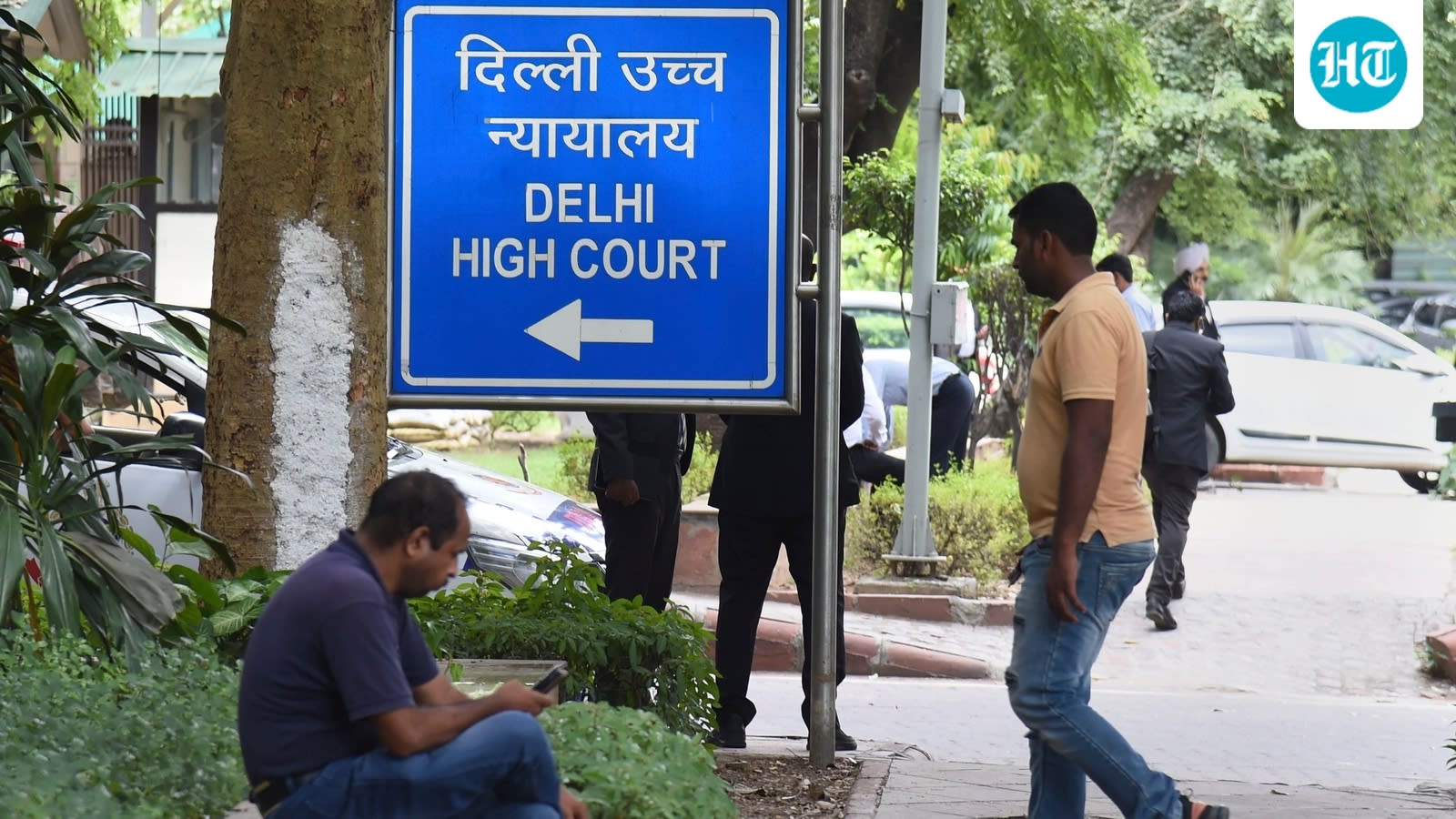
The Delhi High Court has dismissed a petition calling for new regulations to handle passenger complaints against airline staff misconduct. The court ruled that policy formulation is the responsibility of competent authorities like the DGCA rather than the judiciary.
Judicial Deference and Airline Accountability
The Delhi High Court recently dismissed a petition that sought to compel the Ministry of Civil Aviation and the Directorate General of Civil Aviation (DGCA) to establish a formal mechanism for addressing passenger grievances regarding misconduct by airline staff. The case was brought forward by a woman who alleged that a customer-care executive employed abusive, vulgar, and gendered language during their interaction. This ruling highlights a significant intersection between consumer rights, administrative law, and the limitations of judicial intervention in policy-making.
The Scope of Judicial Review
In his verdict, Justice Amit Mahajan emphasized the principle of separation of powers. The court determined that the creation of rules, regulations, and specific guidelines for staff conduct falls squarely within the domain of the competent authorities—in this case, the civil aviation regulators. By refusing to mandate the creation of a new grievance mechanism, the court reaffirmed that the judiciary is not the appropriate body to dictate internal policy or administrative procedures for government agencies.
Contextualizing Passenger Grievances
Incidents involving airline personnel have historically been a point of contention in the aviation sector. Passengers often find themselves in a vulnerable position when faced with alleged harassment, negligence, or unprofessional behavior. The petitioner’s specific allegation of gendered and abusive language underscores the need for robust internal mechanisms within airlines to ensure accountability. However, the court’s decision suggests that the current legal framework expects existing regulatory bodies to govern these interactions without the need for court-mandated rule-making.
Regulatory Responsibility and Future Trends
While the court has declined to intervene, the ruling places the burden of responsibility back onto the DGCA and the Ministry of Civil Aviation to ensure that existing consumer protection standards are met. There is an increasing expectation for airlines to maintain high standards of conduct, and as air travel becomes more accessible, the pressure on regulators to refine their oversight mechanisms will likely intensify. Future trends may see the DGCA issuing more stringent advisory guidelines to encourage airlines to implement independent grievance redressal systems internally.
Implications for Aviation Policy
This verdict serves as a precedent for how future complaints against service providers might be handled. By clarifying that policy formulation is an executive function, the court has signaled that while the judiciary recognizes the gravity of misconduct allegations, it will not bypass the established administrative hierarchy. The decision underscores the necessity for passengers to utilize existing complaint channels while highlighting the need for these channels to be more transparent and effective in their resolution processes.
Concluding Perspectives
Ultimately, the dismissal of this petition does not diminish the seriousness of the allegations of misconduct. Instead, it directs the focus toward the executive branch's duty to protect consumer interests. As the aviation industry continues to grow, the dialogue between passengers, airlines, and regulators regarding professional conduct and accountability will remain a critical component of ensuring safe and respectful air travel experiences.
Verification Required?