‘Time to move on,’ says HC on Vijay Mallya’s plea against recovery
Source Entity
SWATI DESHPANDE
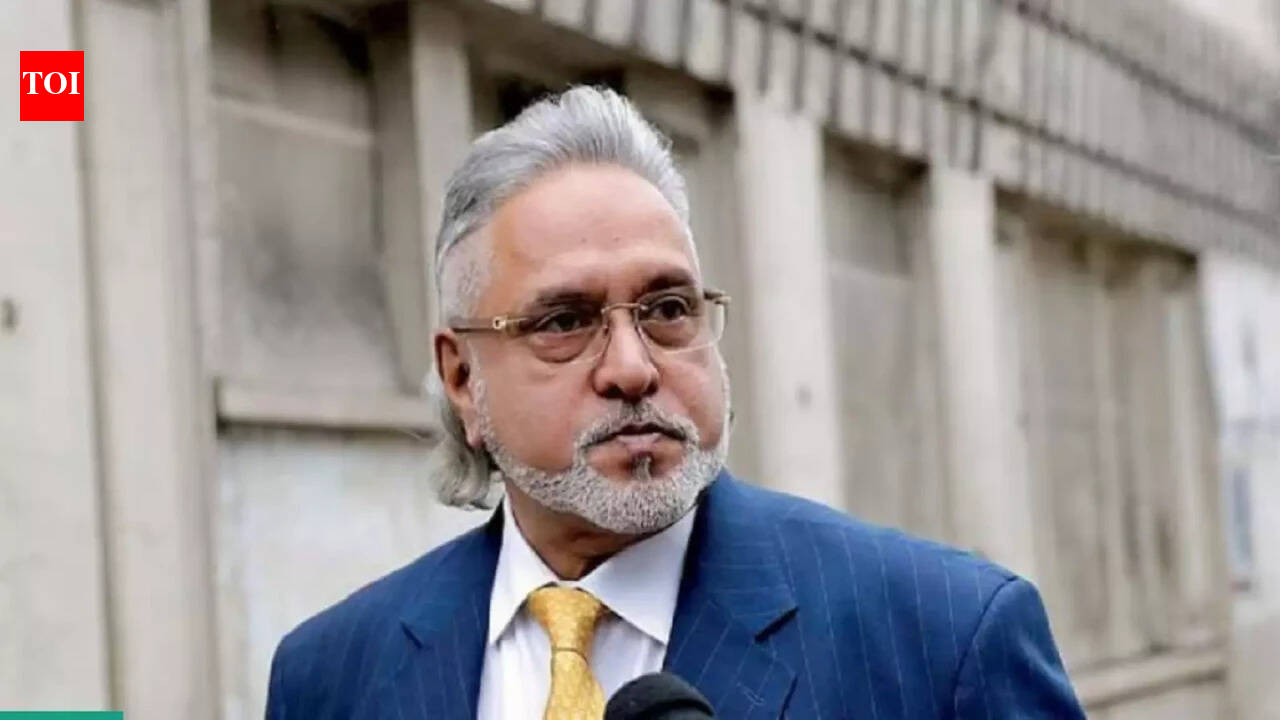
The Delhi High Court has directed the Enforcement Directorate to clarify the status of recovery claims against Vijay Mallya. The court signaled a need to move forward, addressing Mallya's challenge against a 2019 PMLA court order regarding asset seizure.
Judicial Developments in the Vijay Mallya Asset Case
The Delhi High Court has recently issued a significant directive regarding the long-standing legal battle involving fugitive businessman Vijay Mallya. In a clear signal that the judicial process must reach a point of resolution, the court stated that it is time to 'move on,' specifically addressing Mallya’s ongoing plea to quash a 2019 Prevention of Money Laundering Act (PMLA) court order. This order had previously sanctioned the seizure of his assets, marking a pivotal moment in the government's pursuit of financial accountability.
The Role of the Enforcement Directorate
The core of the court's latest intervention involves the Enforcement Directorate (ED). The High Court has explicitly ordered the agency to verify and confirm whether the recovery claims against Mallya have been settled. By demanding this clarity, the judiciary is seeking to establish a definitive status update on the financial liabilities that triggered these legal proceedings in the first place. This step is essential for the court to determine whether the continuation of the PMLA-related litigation remains necessary or if the matter has been effectively addressed through other recovery channels.
Contextualizing the 2019 PMLA Order
To understand the current proceedings, one must look back at the 2019 PMLA court order. That ruling was a landmark decision in the context of India’s anti-money laundering framework, allowing for the attachment and seizure of assets linked to Mallya following his departure from the country. The petitioner’s attempt to quash this order represents a strategic legal maneuver to challenge the reach of these seizure powers. The High Court’s recent stance suggests an exhaustion of patience with procedural delays and a push toward finality in high-profile economic crime cases.
Broader Implications for Economic Justice
The implications of this case extend far beyond the individual assets of Vijay Mallya. It serves as a litmus test for the effectiveness of the PMLA in domestic courts and the ability of Indian investigative agencies to recover funds from high-net-worth individuals who have exited the jurisdiction. If the ED confirms that recovery claims have been settled, it could potentially lead to a modification of the asset seizure status, setting a legal precedent for how similar cases are handled in the future.
Future Trends in Asset Recovery
Looking forward, this development signals a shift toward a more streamlined approach in economic litigation. The judiciary's emphasis on 'moving on' suggests a trend where courts are increasingly prioritizing the conclusion of long-pending recovery matters to clear backlogs. As the legal system continues to grapple with complex cross-border financial crimes, the ability of agencies like the ED to provide precise, updated information on settlement status will be the deciding factor in how swiftly these cases can be closed.
Conclusion
In summary, the Delhi High Court's directive acts as a catalyst for resolving the protracted legal stalemate surrounding Vijay Mallya's assets. By shifting the focus to whether recovery claims have been settled, the court is effectively narrowing the scope of the dispute. This move not only underscores the judiciary's commitment to administrative efficiency but also highlights the critical importance of transparency and accuracy in the reporting of financial recovery efforts by state agencies.