Delhi High Court junks plea against builders’ body joining CCI’s cement ‘price fixing’ probe
Source Entity
Somya Tyagi
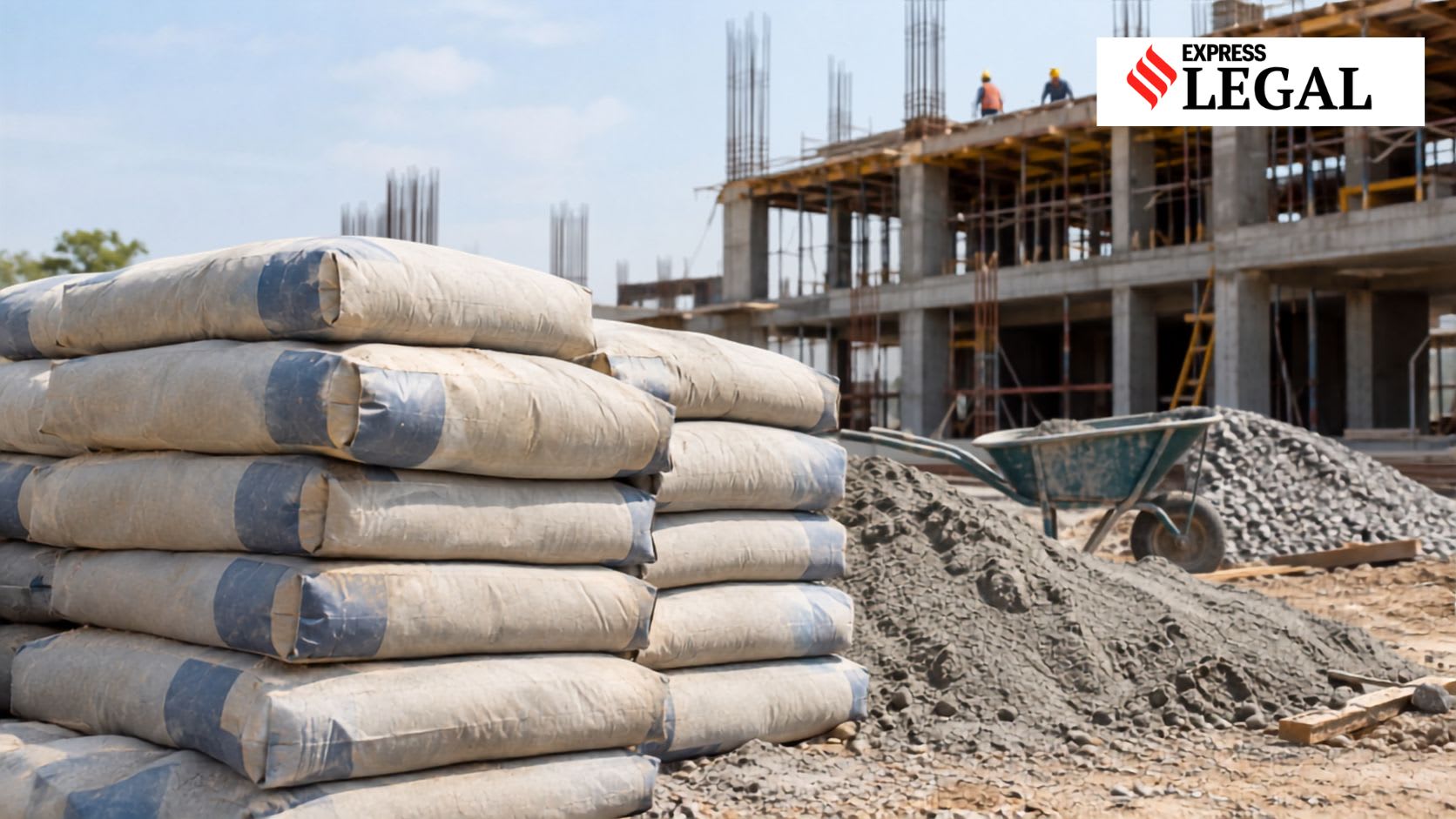
The Delhi High Court has upheld the CCI's decision to allow the Builders Association of India to participate in an ongoing price-fixing investigation against cement manufacturers. This ruling reinforces the role of industry bodies in ensuring market transparency and fair competition.
Delhi High Court Upholds CCI Probe Participation
In a significant legal development, the Delhi High Court has dismissed an appeal filed by Ultratech Cement, which sought to block the Builders Association of India (BAI) from intervening in an ongoing investigation conducted by the Competition Commission of India (CCI). The probe centers on allegations that major cement manufacturers have been engaging in anti-competitive practices, specifically the illegal manipulation and control of cement prices in the Indian market.
The Legal Stance on Public Interest
The bench, presided over by Chief Justice Devendra Kumar Upadhyaya and Justice Tejas Karia, grounded its decision in the principle of "public interest." By allowing the BAI—a body representing the consumers of cement—to join the proceedings, the court has signaled that the investigative process should be inclusive of those directly impacted by market volatility. The court noted that when investigations concern anti-competitive practices, entities with a substantial interest should be permitted to contribute to the findings.
Implications for Market Competition
This ruling marks a pivotal moment for the Indian construction and infrastructure sectors. Cement is a foundational commodity for national development; therefore, any artificial inflation of prices through cartels or price-fixing syndicates has a cascading effect on real estate costs and government infrastructure projects. The inclusion of the BAI allows the CCI to leverage granular, ground-level data regarding pricing trends that may otherwise be obscured by corporate reporting.
The Role of the CCI in Market Regulation
The CCI acts as the primary watchdog for the Indian economy, tasked with preventing practices that have an appreciable adverse effect on competition. By refusing to interfere with the commission’s procedural discretion, the Delhi High Court has effectively strengthened the CCI’s autonomy. This suggests that the judiciary is inclined to support robust regulatory oversight, provided the investigative body acts within its statutory mandate to protect market health.
Industry Consequences and Future Outlook
For major players like Ultratech, this decision underscores the increasing difficulty of operating in a climate of heightened regulatory scrutiny. The cement industry has faced long-standing allegations of price coordination, and the court's refusal to exclude the BAI ensures that the "price-fixing" narrative will be scrutinized from the perspective of both the producers and the end-users. Moving forward, this case may set a precedent for how trade associations and industry bodies interact with antitrust inquiries in India.
Conclusion
The Delhi High Court’s verdict is a victory for transparency in the Indian cement market. By prioritizing the public interest over the procedural objections of a market participant, the court has ensured that the CCI’s investigation remains comprehensive. As the probe continues, the involvement of the Builders Association of India will likely provide the necessary evidence to determine whether market forces are being subverted, ultimately aiming to safeguard fair pricing for the benefit of the broader economy.