Delhi's vehicle ban faces big test at borders: Can enforcement keep up?
Source Entity
BIJU MATHEW
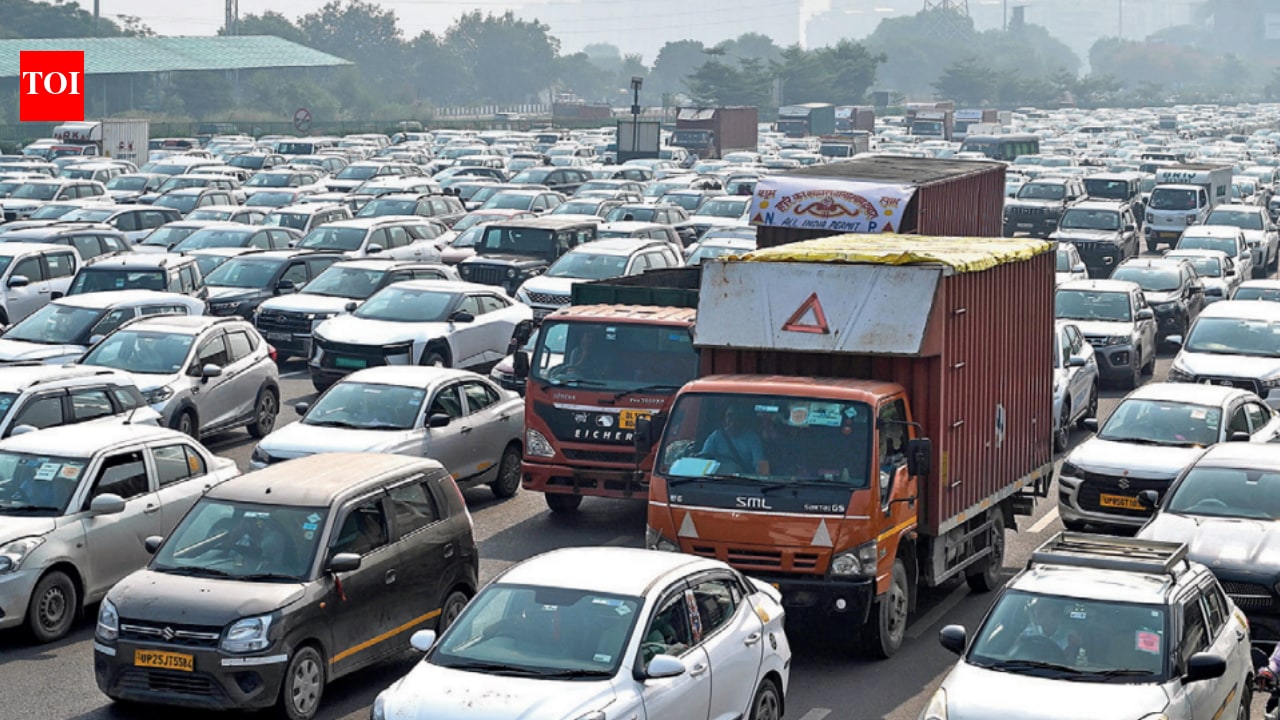
Delhi has implemented strict winter pollution control measures from November 1 to January 31, including a ban on non-BS-VI vehicles from neighboring NCR districts. These initiatives, alongside construction curbs and office attendance restrictions, aim to improve air quality after a relatively cleaner October.
Delhi Implements Stringent Winter Pollution Controls
Starting November 1, the Delhi government has activated a comprehensive seasonal framework to combat the capital's notorious winter air pollution. These measures, which extend beyond the standard Graded Response Action Plan (GRAP), will remain in force until January 31. The initiative arrives on the heels of a relatively positive environmental milestone, with Delhi recording an average Air Quality Index (AQI) of 166 in October—the lowest level observed in the past eight years.
Targeting Vehicular Emissions
A primary pillar of this strategy is the restriction on non-BS-VI petrol and diesel vehicles registered outside of Delhi. With roughly 48 lakh older vehicles registered in NCR districts bordering the capital, the logistical challenge for law enforcement is significant. Officials note that these vehicles, three-quarters of which are two-wheelers, frequently transit into Delhi daily. By barring these older models, the administration aims to drastically reduce the tailpipe emissions that contribute to the city's toxic winter smog.
Broader Regulatory Framework
The policy scope is not limited to vehicle entry. The government is implementing a multi-pronged approach that includes reduced office attendance and staggered working hours to lower congestion. Furthermore, the authorities have authorized increased parking fees to discourage private vehicle usage. These demand-side management strategies are designed to lower the volume of traffic during peak pollution hours, thereby easing the burden on the city's atmospheric capacity.
Addressing Dust and Construction
Beyond vehicular concerns, the government has imposed strict limitations on outdoor construction activities. Construction dust is a major particulate matter contributor during the dry winter months. By curbing these activities, the administration hopes to prevent the accumulation of PM2.5 and PM10 levels. Additionally, traffic patterns are being adjusted to reroute through-traffic away from the city center, minimizing the dwell time of heavy-duty and transit vehicles within Delhi's borders.
Challenges and Future Implications
The enforcement of these measures rests heavily on the Delhi Traffic Police, who face the daunting task of monitoring millions of vehicles. While the goal is to sustain the improved air quality seen in October, the success of these measures depends on public compliance and the effectiveness of the inter-state transit rerouting. If successful, this three-month window could serve as a model for future seasonal environmental governance in the National Capital Region.
Multiple Citing Sources