On Day-2 of BS-VI checks in Delhi, more Metro, DTC trips, boots on ground likely
Source Entity
The Indian Express
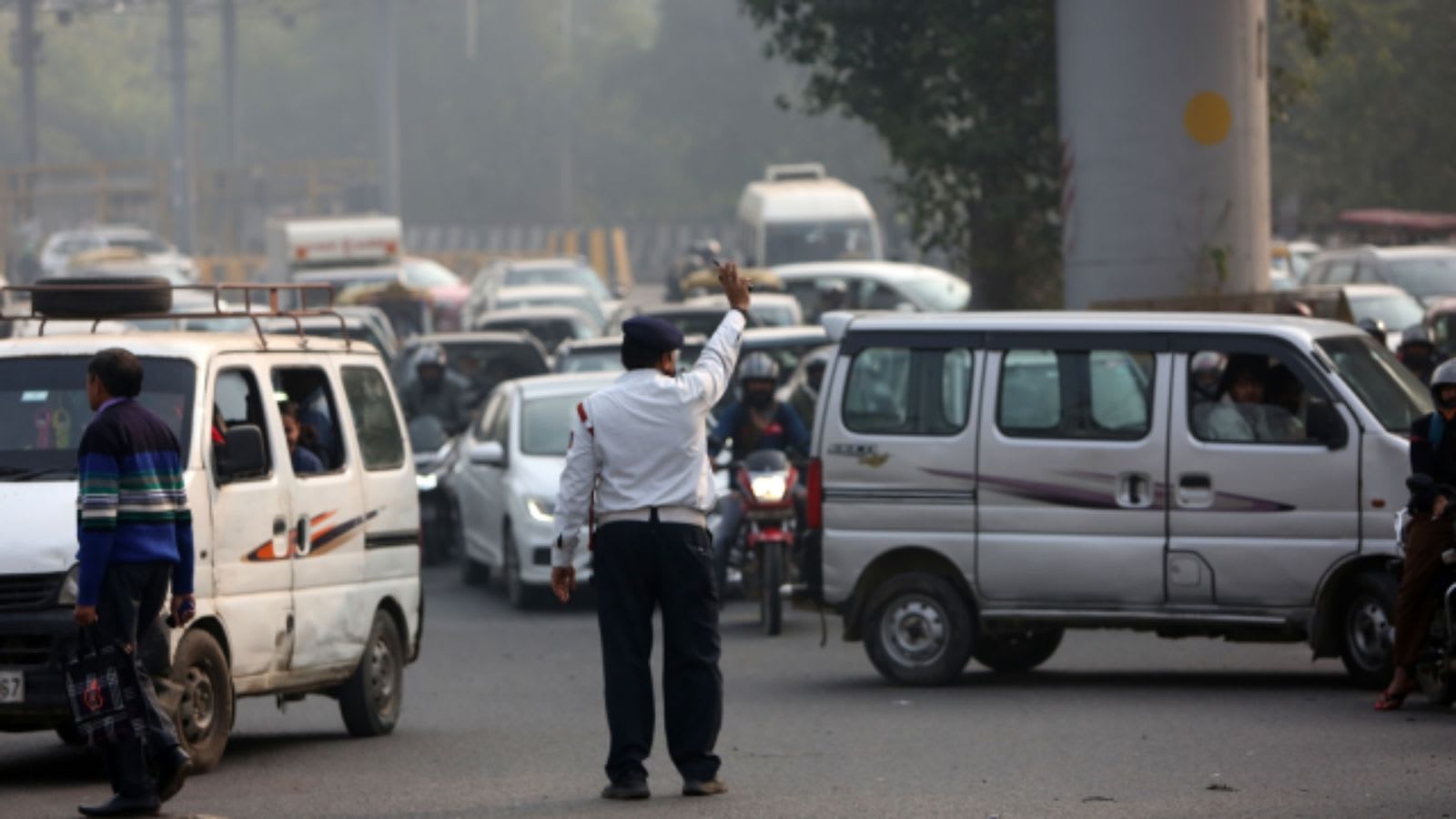
Delhi has implemented strict winter pollution control measures from November 1 to January 31, including a ban on non-BS-VI vehicles from neighboring NCR districts. These restrictions, alongside construction curbs and office attendance policies, aim to combat the city's seasonal air quality crisis.
Delhi Implements Stringent Winter Pollution Controls
Starting November 1, the Delhi government has activated a comprehensive seasonal framework to combat the city's persistent winter air quality crisis. These measures, which extend beyond the standard Graded Response Action Plan (GRAP), will remain in effect until January 31, 2027. The initiative represents a significant escalation in regulatory efforts, targeting major pollution contributors such as vehicular emissions, dust-generating construction, and workplace-related congestion.
Targeting Vehicular Emissions
A centerpiece of this policy is the strict restriction on non-BS-VI petrol and diesel vehicles registered outside of Delhi. With approximately 48 lakh such vehicles registered in NCR districts neighboring the capital, the logistical challenge for the Delhi Traffic Police is immense. These vehicles, which frequently commute into the city, contribute significantly to the local emission load. By barring entry to these older, higher-polluting models, the government aims to drastically reduce the volume of tailpipe pollutants that characterize the winter months.
Scope of the Restriction
The scale of the problem is highlighted by the staggering number of older vehicles in the region. There are roughly 3.02 crore Bharat Stage-I to IV vehicles registered across Uttar Pradesh, Haryana, and Rajasthan. Of these, 48 lakh are concentrated in the NCR districts immediately surrounding Delhi. Given that roughly three-quarters of these vehicles are two-wheelers, the restriction targets a massive segment of daily commuters, necessitating careful enforcement by traffic authorities to manage the flow of through-traffic.
Broader Regulatory Framework
Beyond vehicle bans, the government has introduced a multi-pronged approach to reduce the city’s overall pollution footprint. This includes mandates for reduced office attendance and staggered working hours to minimize peak-hour congestion. Furthermore, the city has increased parking fees as a disincentive for private vehicle use and placed strict limitations on outdoor construction activities to mitigate the high levels of dust that plague the region during the dry winter season.
Contextualizing the Air Quality Crisis
These interventions come at a critical time, as Delhi recently recorded its lowest average Air Quality Index (AQI) for October in eight years, settling at 166. While this figure may appear improved compared to historical highs, the onset of winter typically triggers a rapid deterioration in air quality due to meteorological changes and localized emission sources. The government’s proactive stance reflects an urgent need to prevent the severe smog conditions that have historically paralyzed the capital.
Future Implications and Challenges
The success of these measures depends heavily on public compliance and the efficacy of enforcement strategies. By rerouting through-traffic and limiting the influx of older, non-compliant vehicles, the Delhi administration is attempting to create a buffer against the worst of the winter pollution. Looking ahead, the effectiveness of this three-month window will likely serve as a blueprint for future seasonal air quality management policies, determining whether such aggressive restrictions remain a viable long-term strategy for the National Capital Region.
Multiple Citing Sources