Three days since July 20 violence, Delhi Police, MHA yet to acknowledge police excesses
Source Entity
India Latest News: Top National Headlines Today & Breaking News | The Hindu
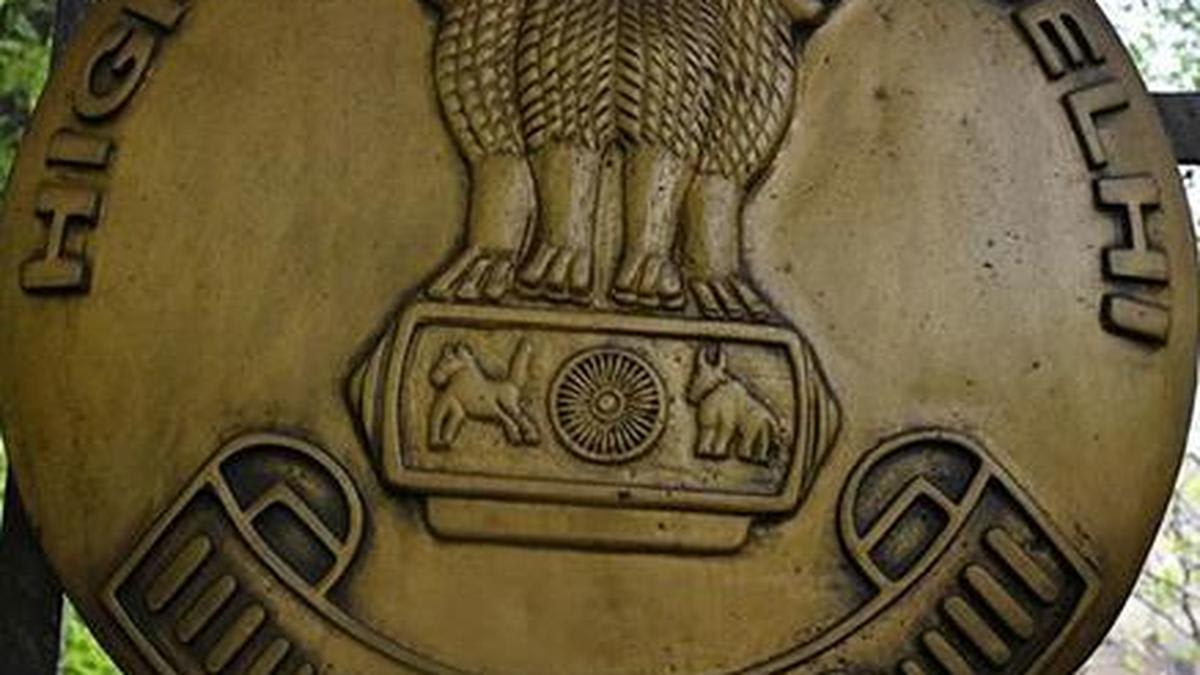
Following the July 20 protest in Delhi, concerns over alleged police brutality remain unaddressed by the MHA. While the Delhi High Court has intervened, the government has yet to comment on the specific use of force against demonstrators.
The July 20 Protests: A Crisis of Accountability
Three days have elapsed since the violent crackdown on protesters during the July 20 march to Parliament in Delhi, yet the silence from the Ministry of Home Affairs (MHA) and the Delhi Police remains deafening. The incident, captured in various viral videos, depicts the use of disproportionate force—including the controversial deployment of pellet guns—against individuals who were ostensibly unarmed. This lack of official acknowledgment has intensified public scrutiny regarding the protocols governing law enforcement during civil demonstrations.
The Discrepancy in Narratives
A critical point of contention lies in the conflicting accounts of the day's events. While law enforcement authorities have suggested that protesters initiated the confrontation by throwing bricks, these claims are being directly challenged by participants. Eenesh, a protester from Chhattisgarh, has publicly refuted the police narrative, asserting that the demonstrators were not the aggressors. This fundamental disagreement highlights a growing trust deficit between the state apparatus and the citizenry, necessitating an independent inquiry to establish the sequence of events.
Government Response and Institutional Silence
Despite Prime Minister Narendra Modi’s address on July 23, 2026, wherein he promised "a series of steps for safeguarding the interests of students," the government has conspicuously avoided addressing the allegations of police brutality. By focusing on broader policy objectives while omitting the specific grievances regarding human rights violations, the administration has left a vacuum of accountability. The absence of a formal statement from the MHA suggests a potential disconnect between the executive branch's policy agenda and the tactical actions taken by security forces on the ground.
The Role of the Judiciary
In the wake of institutional inaction, the judiciary has stepped in to bridge the oversight gap. On July 22, the Delhi High Court took cognizance of the situation by seeking responses from both the Centre and the Delhi Police regarding Public Interest Litigation (PIL) petitions. These legal challenges are aimed at compelling the state to justify the level of force utilized and to hold those responsible for potential excesses accountable. The court's intervention serves as a vital safeguard for the democratic right to protest.
Broader Implications and Future Trends
The events of July 20 underscore the ongoing tension between national security imperatives and the fundamental right to peaceful assembly. The use of pellet guns against civilians is a practice that historically triggers significant public outcry and legal debate. Moving forward, the resolution of this matter will likely hinge on whether the Delhi High Court mandates a transparent, independent investigation. If the government continues to ignore the allegations, it risks further eroding public confidence in civil-police relations and potentially fueling future unrest.
Verification Required?