Pre-poll promises, post-poll precarity
Source Entity
India Latest News: Top National Headlines Today & Breaking News | The Hindu
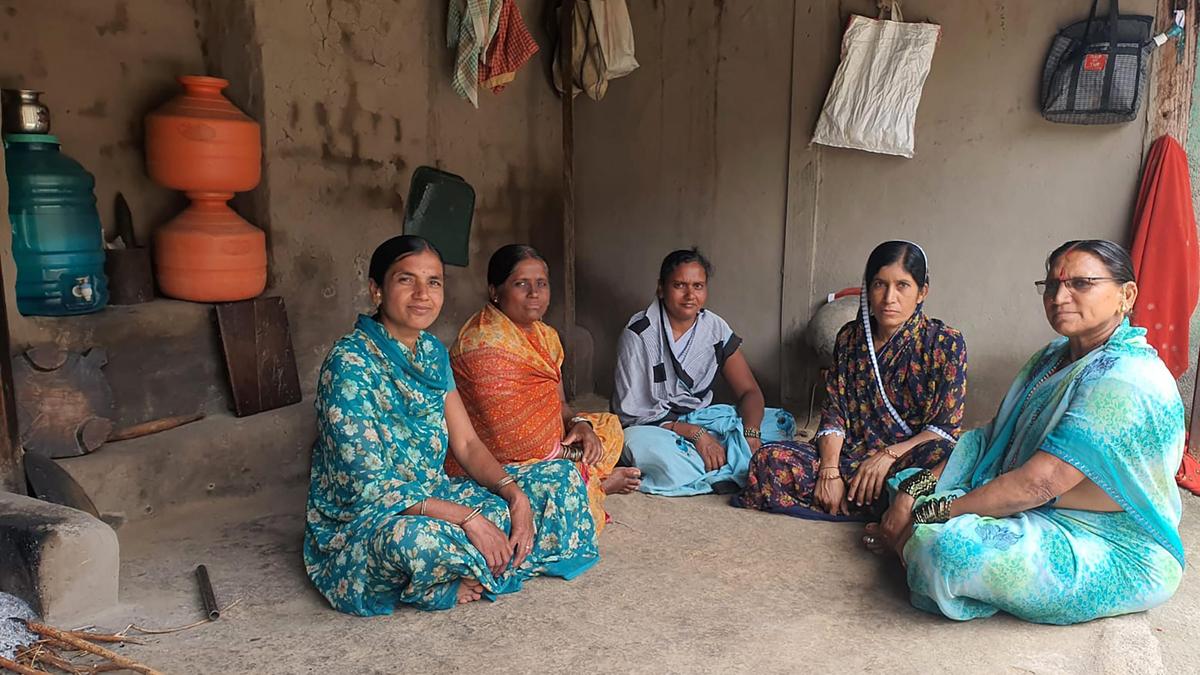
The Ladki Bahin scheme in Maharashtra, once a lifeline for Marathwada's farm widows, is facing scrutiny due to mass beneficiary deletions post-election. This shift has replaced financial security with widespread anxiety among vulnerable rural women.
The Fragility of Welfare: Maharashtra’s Ladki Bahin Scheme
Launched in 2024 amidst the high-stakes atmosphere of the Maharashtra Assembly election, the Ladki Bahin scheme was positioned as a critical financial intervention for the state's most vulnerable populations. In the rain-starved Marathwada region, the policy served as an immediate lifeline for farm widows, offering a sense of stability in an area plagued by agricultural distress and economic precarity. However, as the political fervor of the election cycle has subsided, the administrative reality of the scheme has shifted dramatically.
The Shift from Security to Precarity
Reports emerging from villages like Kherda in the Dharashiv district highlight a troubling trend: the mass deletion of beneficiaries from the scheme's rolls. For women like Manisha Jadhav, who balances the physical demands of labor in soya bean fields with the necessity of state support, this abrupt removal is not merely a bureaucratic error—it is a significant blow to their household survival. The transition from being a designated beneficiary to being excluded has fostered deep-seated anxiety within rural communities that previously relied on these funds to bridge the gap in their meager incomes.
Socio-Economic Context of Marathwada
To understand the impact of these deletions, one must consider the socio-economic landscape of Marathwada. The region is historically characterized by volatile rainfall patterns and a reliance on rain-fed agriculture, which frequently pushes farming households to the brink of insolvency. The Ladki Bahin scheme was intended to provide a buffer against these environmental and systemic shocks. By withdrawing support post-election, the state risks alienating the very demographic that is most susceptible to the volatility of the agrarian economy.
Cultural Significance and Institutional Trust
The juxtaposition of traditional cultural practices—such as the Vat Savitri festival, where women pray for the longevity and health of their families—with the harsh reality of administrative exclusion is stark. While women perform rituals under banyan trees seeking enduring blessings, they are simultaneously grappling with the fragility of government promises. This disconnect between state-sponsored welfare and the lived experience of rural women highlights a breakdown in institutional trust that often follows the conclusion of election cycles.
Future Implications and Policy Trends
The pattern of launching welfare schemes as pre-poll incentives only to subject them to rigorous (and often exclusionary) post-poll vetting is a recurring phenomenon in Indian politics. As the dust settles on the Maharashtra Assembly election, the focus must shift from political mobilization to sustained policy implementation. If the Ladki Bahin scheme continues to see mass deletions without transparent grievance redressal mechanisms, it may serve as a cautionary tale regarding the limitations of populist economic measures in ensuring long-term financial security for the rural poor.
Verification Required?