Government ready to debate NEET paper leak in Parliament 'the way Opposition wants'
Source Entity
Latest News: Todays Latest News Headlines from India & World | Hindustan Times | Hindustan Times
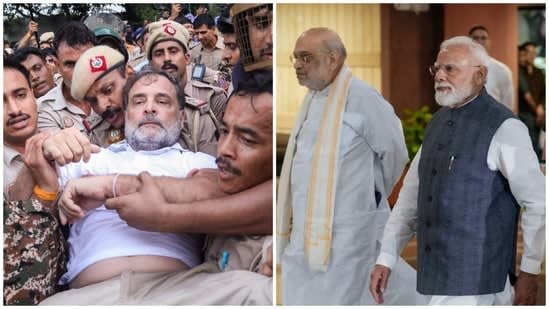
Opposition leaders, led by Rahul Gandhi, paid homage at Gandhi Smriti to students who died by suicide following the NEET paper leak. The event highlighted political tensions as police barricades initially restricted movement.
Opposition Solidarity and the NEET Crisis
On July 23, 2026, a significant political demonstration unfolded in New Delhi as members of the Congress and the broader INDIA bloc assembled to pay tribute to students who tragically took their own lives following the NEET paper leak controversy. Led by the Leader of the Opposition (LoP) in the Lok Sabha, Rahul Gandhi, the parliamentarians gathered at his residence on Sunehri Bagh Road before moving collectively to the Gandhi Smriti on Tees January Marg.
The Symbolic Significance of the Venue
The choice of Gandhi Smriti—the site of Mahatma Gandhi’s assassination—as the location for this homage carries deep symbolic weight. By choosing this historic site, the opposition sought to frame their protest not merely as a policy critique, but as an appeal to the nation's conscience. Rahul Gandhi’s decision to carry a copy of the Constitution while visiting the memorial reinforces the narrative that the opposition views the examination crisis as a systemic failure concerning the rights and future of India’s youth.
Challenges and Police Intervention
The visit was characterized by high tensions and logistical hurdles. According to reports, the opposition had initially requested permission to visit India Gate to express solidarity with the protesting students, a request that was denied. Furthermore, the route to Gandhi Smriti was marked by a heavy police presence and the installation of barricades on Sunehri Bagh Road, which briefly obstructed the movement of Congress and Youth Congress workers. These measures underscore the heightened sensitivity surrounding student protests in the capital.
Political Unity and Strategic Messaging
The presence of prominent opposition figures, including Mahua Majhi and Mahua Moitra, alongside Rahul Gandhi, signals a concerted effort by the INDIA bloc to maintain a united front on the NEET issue. By holding a preliminary meeting at the LoP's residence before traveling together by bus to the memorial, the coalition demonstrated organized leadership. This collective action serves to project a unified stance in support of the agitating students' demands for accountability and reform in the examination process.
Broader Implications for Governance
The NEET paper leak remains a highly contentious issue that has galvanized student movements across the country. The opposition's direct involvement in public displays of solidarity suggests that this issue will continue to dominate parliamentary discourse. By focusing on the tragic loss of life, the opposition is effectively shifting the debate from technical administrative failures to a broader moral crisis, pressuring the government to address the deep-seated anxieties of millions of students and their families.
Conclusion
As the opposition continues to leverage the NEET controversy to challenge the ruling administration, the events at Gandhi Smriti represent a pivotal moment in the current political climate. The combination of symbolic protest, legislative pressure, and public solidarity indicates that the INDIA bloc intends to keep the spotlight on the examination system's integrity. Future trends suggest that as long as the demands of the students remain unaddressed, these demonstrations will likely continue to test the government’s response mechanisms and public relations management.
Multiple Citing Sources
Verification Required?