‘I thought he was only trying to scare me’: Youth in the line of pellet gun fire at CJP protest
Source Entity
NEHA MISHRA
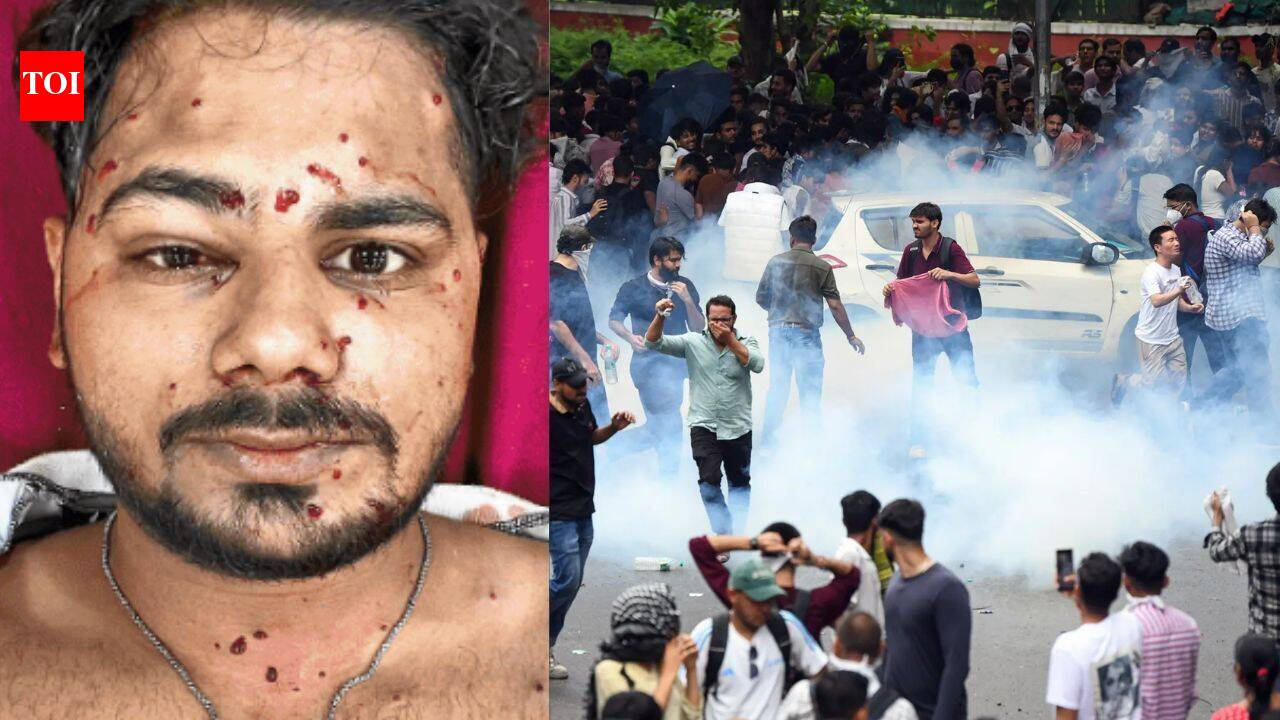
Irshad Shaikh, a 25-year-old protester, sustained pellet gun injuries during the 'Sansad Chalo' march at Jantar Mantar. Medical reports contradict official police denials, highlighting a serious dispute over crowd control tactics used against demonstrators.
The Jantar Mantar Incident: A Deep Dive into Protest Policing
The Incident at Jantar Mantar
On July 20, the 'Sansad Chalo' march in New Delhi turned into a scene of violence, leaving 25-year-old Irshad Shaikh with severe injuries. Shaikh, an IT professional from Jabalpur now based in Gurgaon, alleges that an RAF staffer fired a pellet gun at him during the clashes near Jantar Mantar. The injuries to his face, neck, and upper body were significant enough to necessitate surgery, marking a harrowing turn for a participant who viewed his presence at the protest as a commitment to the future of the nation.
Medical Evidence vs. Official Narratives
A critical point of contention has emerged regarding the nature of the injuries. While police authorities have reportedly sought to downplay or deny the use of pellet munitions, hospital case sheets have surfaced that explicitly detail 'pellet shards' embedded in the skin. This discrepancy between clinical documentation and official statements creates a significant credibility gap, raising questions about the transparency of law enforcement protocols during civil demonstrations.
The Human Cost of Dissent
Shaikh’s personal account provides a chilling perspective on the risks associated with public dissent. Describing the moment of impact, he noted that he initially believed the threat was merely a scare tactic, only to find himself on the ground, losing consciousness. The fact that he was transported to Lady Hardinge Hospital via a scooter by fellow protesters underscores the chaotic and high-stakes environment that characterized the event, highlighting the vulnerability of individual citizens when faced with aggressive crowd control measures.
Broader Implications for Civil Rights
This incident serves as a flashpoint for a larger national conversation regarding the use of non-lethal, yet potentially debilitating, weapons against protesters. Pellet guns, often categorized as 'less-lethal' deterrents, are frequently criticized for their indiscriminate nature and the potential for permanent, life-altering injuries. The use of such force in the heart of the national capital raises profound questions about the democratic right to assembly and the proportionality of force used to manage political gatherings.
Historical Context and Future Trends
Historically, the use of pellet guns has been a deeply controversial subject in Indian law enforcement, particularly in conflict-prone regions. However, their appearance at a protest in central Delhi signals a potential shift in how civil unrest is handled in urban centers. As the public continues to debate the efficacy and ethics of protests as a tool for social change—evidenced by the thousands of users actively sharing their views on the matter—the state must grapple with the necessity of ensuring public safety without infringing upon the foundational rights of its citizens. Future trends will likely see increased scrutiny on the types of equipment utilized by security forces and a demand for stricter accountability measures when injuries occur.