Clash erupts in Delhi's Mayur Vihar after youth tries to stop eve-teasing; several injured
Source Entity
TOI CITY DESK
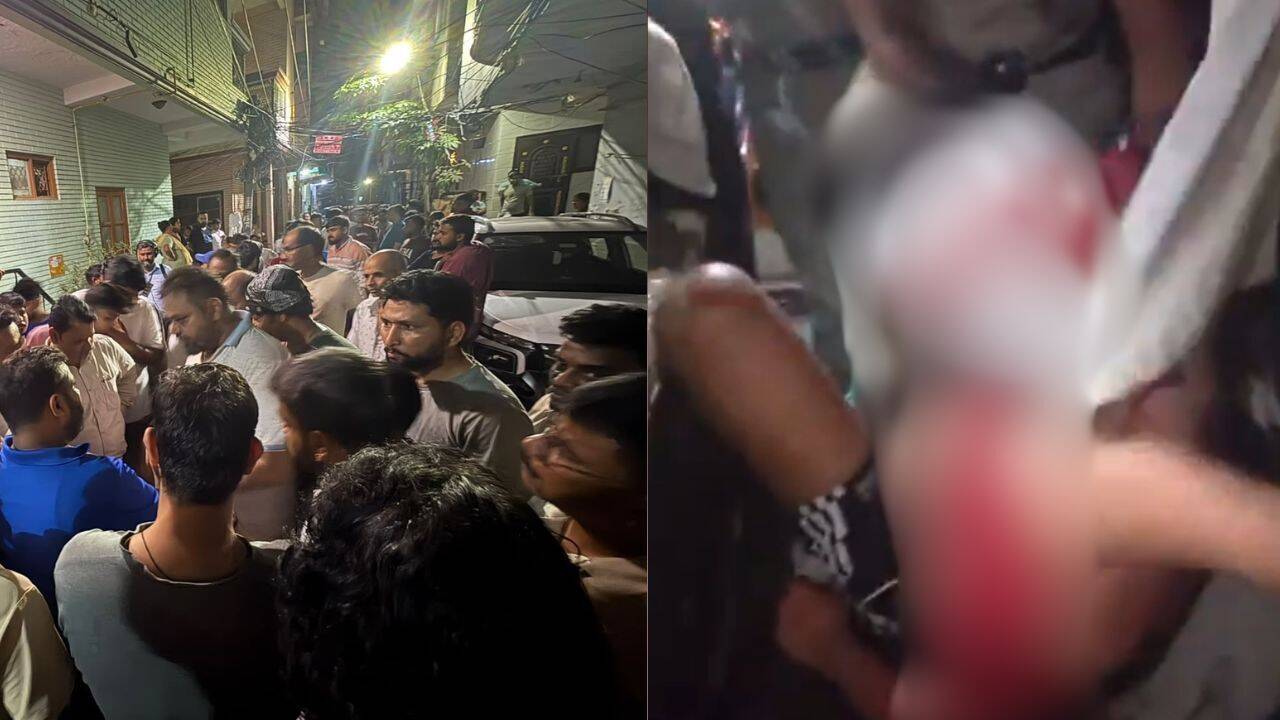
A violent clash erupted in Mayur Vihar Phase 3 after a youth intervened. Several people, including a child, sustained injuries during the ensuing violence. Police have deployed heavy security and are examining CCTV footage to identify those involved. The area remains under close watch as authorities investigate the incident thoroughly. Teams are actively working to apprehend all individuals responsible for the disturbance.
Violence Erupts in East Delhi: The Mayur Vihar Confrontation
In a distressing turn of events, a residential pocket of East Delhi, specifically Mayur Vihar Phase 3, became the site of a violent clash that underscores the volatile nature of street-level disputes in the national capital. What began as an act of civic intervention by a youth attempting to stop 'eve-teasing'—a colloquial term for street harassment of women—quickly spiraled into a larger physical confrontation. The incident has left several individuals injured and has cast a shadow of insecurity over the neighborhood, prompting a swift response from law enforcement to prevent further escalation.
The Trigger: From Intervention to Aggression
The core of the conflict lies in the act of intervention. In many urban Indian contexts, the sight of women being harassed in public spaces often leads to bystander intervention. In this instance, a youth stepped in to protect a woman from harassment, a gesture that should ideally be supported by social norms. However, instead of de-escalating, the perpetrators of the harassment reacted with aggression, transforming a targeted dispute into a broader clash. This pattern of escalation is often seen when localized disputes trigger group dynamics, where individuals gather to support their peers, leading to mob-like violence in densely populated residential areas.
The Human Cost and Collateral Damage
One of the most alarming aspects of this specific clash is the report of injuries sustained by bystanders, including a child. The involvement of a minor in the crossfire highlights the indiscriminate nature of the violence that erupted in Mayur Vihar. When street fights escalate into group clashes, the risk to non-combatants increases exponentially. The injury to a child serves as a grim reminder that the ripple effects of such violence extend far beyond the primary antagonists, impacting the safety and psychological well-being of families living in the vicinity.
Law Enforcement and the Role of Surveillance
In the aftermath of the violence, the Delhi Police have adopted a two-pronged strategy: immediate containment and forensic identification. By deploying heavy security to Mayur Vihar Phase 3, authorities aim to deter any retaliatory attacks or further disturbances. Simultaneously, the reliance on CCTV footage is critical. In Delhi's increasingly monitored urban landscape, digital footprints are the primary tool for identifying suspects in flash-point events. The police are currently scrubbing through footage to map the timeline of the clash and isolate the primary aggressors from the crowd, ensuring that the legal process is based on visual evidence.
Broader Societal Implications of Street Harassment
This event reflects a deeper, systemic issue regarding women's safety and the social response to street harassment in India. While the youth's attempt to stop eve-teasing was a courageous act, the subsequent violence suggests a lack of conflict-resolution mechanisms at the community level. The transition from a moral intervention to a violent brawl indicates a societal friction where the protection of women's dignity is met with defiance and aggression. This incident underscores the need for not only more police patrolling but also community-led initiatives to discourage harassment and manage public disputes peacefully.
Future Trends in Urban Security
Looking ahead, incidents like the one in Mayur Vihar are likely to push the Delhi Police toward more proactive community policing. The volatility of residential colonies suggests that reactive policing—arriving after the clash—is insufficient. We can expect an increase in 'beat policing' and a greater emphasis on the 'Safe City' project, which integrates more AI-driven surveillance to detect unusual gatherings or aggressive behavior in real-time. Furthermore, the legal repercussions for those involved in this clash will likely be used as a deterrent to signal that civic interventions should not be met with violence.
Conclusion
The clash in Mayur Vihar Phase 3 is a sobering example of how a small-scale act of harassment can ignite a larger public disturbance. While the intervention of the youth was a positive attempt to uphold social decency, the ensuing violence and the injury of a child highlight a dangerous volatility. As the police continue their investigation and utilize CCTV evidence to bring the culprits to justice, the event serves as a call for improved public safety measures and a stronger societal commitment to ending street harassment without resorting to violence.