Raksha Bandhan Rush Triggers Massive Traffic Jam On Delhi Roads
Source Entity
NDTV News Search Records Found 1000
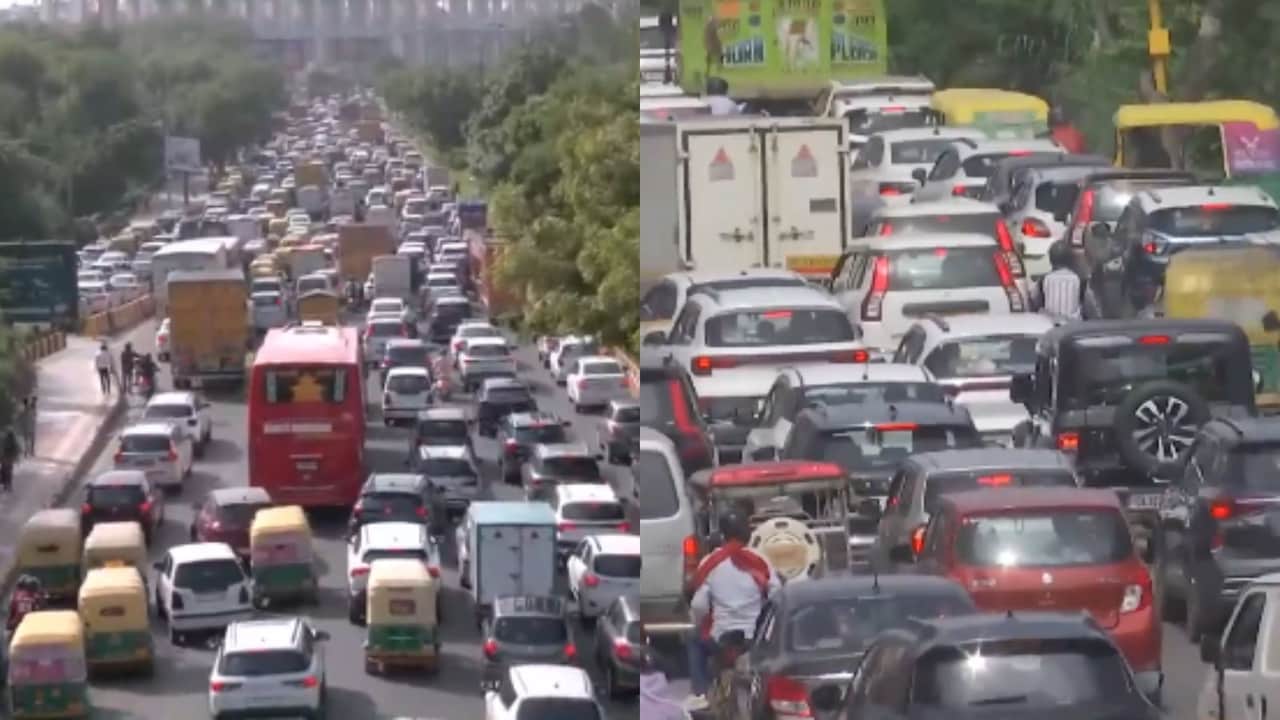
The Raksha Bandhan festival caused severe traffic gridlock across the Delhi-NCR region, particularly on the Delhi-Meerut Expressway. A combination of holiday travel, office-hour commutes, and adverse weather conditions led to hours of congestion for thousands of commuters.
Traffic Paralysis Grips Delhi-NCR During Raksha Bandhan
The celebration of Raksha Bandhan, a festival deeply rooted in family ties, triggered an unprecedented surge in vehicular movement across the Delhi-NCR region this year. As the festival fell on a Friday, many residents sought to capitalize on the long weekend to visit hometowns or relatives, resulting in a convergence of holiday travelers and standard weekday office commuters. This massive influx of vehicles transformed major arterial roads and expressways into parking lots, with many commuters reporting travel times extended by several hours.
The Delhi-Meerut Expressway Crisis
Among the various infrastructure points, the Delhi-Meerut Expressway (DME) emerged as the epicenter of the congestion. Known for its role as a high-speed artery connecting Delhi with western Uttar Pradesh, the expressway faced extreme pressure as the volume of vehicles far exceeded its design capacity during the Thursday evening rush. Reports indicated that traffic was reduced to a crawl, with some commuters describing the experience as spending their entire leave duration simply navigating the commute from cities like Gurgaon to Meerut.
Factors Exacerbating the Gridlock
Several concurrent factors coalesced to create this logistical nightmare. The timing was particularly challenging; the departure of thousands of residents from the National Capital Region coincided with the peak evening office-hour traffic. Furthermore, the region experienced intermittent rain spells, which are notorious for slowing down traffic flow, causing waterlogging in low-lying areas, and reducing driver visibility. These meteorological conditions acted as a force multiplier, turning already high-density traffic into a complete standstill.
Impact on Urban Mobility
Urban planning experts often point to the high density of residential hubs in Noida, Ghaziabad, and Gurgaon as a primary driver of such congestion during festive periods. The reliance on road transport for short-to-medium distance travel between these satellite cities and the capital creates systemic vulnerabilities. When a significant portion of the population attempts to exit the city simultaneously—such as on the eve of a major festival—existing road infrastructure, despite recent upgrades like the DME, struggles to maintain fluidity.
Historical Context and Future Trends
This event highlights a recurring pattern in the Delhi-NCR region where festive spikes consistently overwhelm transport networks. While infrastructure projects like the Delhi-Meerut Expressway were designed to alleviate such pressures, the sheer scale of the NCR population means that public demand frequently outpaces capacity enhancements. Moving forward, authorities may need to consider more robust traffic management strategies, such as staggered travel advisories or improved public transit integration, to mitigate the impact of future festive surges.
Conclusion
In summary, the Raksha Bandhan travel rush serves as a stark reminder of the fragile balance of urban mobility in the National Capital Region. While the desire to reunite with family remains a cherished part of Indian culture, the logistical challenges posed by such travel underscore the need for more resilient infrastructure. For thousands of commuters, the holiday began not with celebration, but with the frustration of hours spent in stationary traffic, highlighting the ongoing struggle to harmonize rapid urban expansion with efficient regional connectivity.
Verification Required?