Kanthapuram Samastha circular on women at public events in Keralam draws criticism
Source Entity
India Latest News: Top National Headlines Today & Breaking News | The Hindu
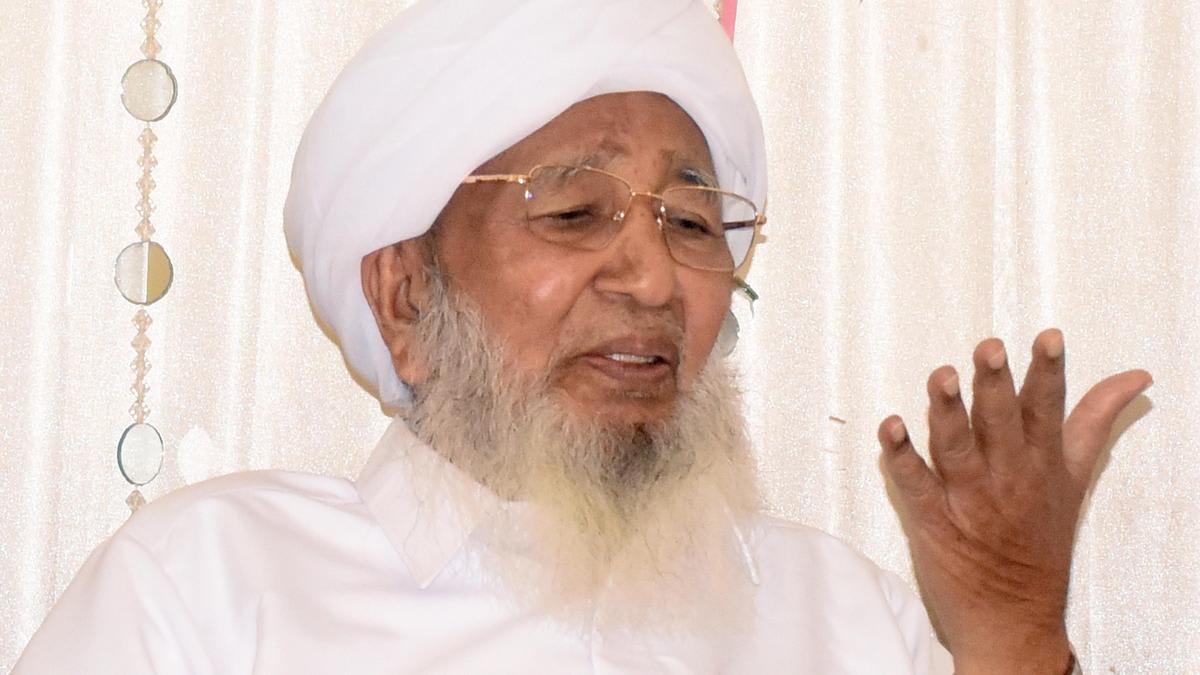
The Samastha Kerala Jamiyyathul Ulama, led by Kanthapuram A.P. Aboobacker Musliar, has issued a controversial circular banning women from sharing stages with unrelated men at religious events. The directive has sparked significant public and political backlash for its restrictive stance on women's participation.
Controversy Over Religious Directives in Kerala
A recent circular issued by the Samastha Kerala Jamiyyathul Ulama, under the leadership of Kanthapuram A.P. Aboobacker Musliar, has ignited a fierce debate across Kerala. The directive explicitly instructs officials of mahals and madrasas to prohibit the presence of women among unrelated men during religious events and public celebrations. This move represents a significant attempt by a religious body to codify gender segregation within the public sphere, citing the need to adhere to specific interpretations of Islamic norms.
The Core of the Directive
The circular, signed by Samastha president E. Sulaiman Musliar and general secretary Aboobacker, mandates that organizers must ensure programmes remain strictly aligned with their interpretation of Islamic customs. By targeting both stage presence and general public seating, the organization seeks to eliminate what it deems 'non-Islamic' influences from religious festivals. This directive places the burden of policing social interaction onto local religious administrators, effectively turning mahals and madrasas into enforcers of these gender-based restrictions.
Social and Political Backlash
The response to this directive has been swift, particularly across social media platforms where critics argue that such measures undermine the progressive social fabric of Kerala. High-profile political figures, including CPI(M) central committee member P.K. Sreemathy, have voiced their disapproval, signaling that the move is being viewed as a regressive step for women's agency. The criticism centers on the concern that such mandates marginalize women from community life and public discourse.
Broader Implications for Kerala Society
Kerala has historically been characterized by high literacy rates and a culture of social reform, often leading to debates about the intersection of religious orthodoxy and modern civil rights. This incident highlights the ongoing tension between traditional religious institutions attempting to consolidate authority and the secular, democratic values that emphasize equal participation. The directive serves as a microcosm of the wider struggle regarding the extent to which religious organizations can dictate the social behavior of their congregants in a modern, pluralistic society.
Historical Context and Future Trends
Historically, religious bodies in Kerala have maintained significant influence over communal affairs. However, the increasing visibility of these organizations in regulating daily social interactions is meeting greater resistance than in previous decades. As the digital age facilitates immediate public scrutiny, the ability of such institutions to enforce rigid social codes is likely to be challenged more frequently. Future trends suggest a deepening rift between traditionalist religious leadership and a more socially conscious, rights-based public, likely leading to further legal and ethical debates regarding the boundaries of religious autonomy versus individual freedom.
Verification Required?