Only 1 in 5 residents has access to buses every 5 mins: Pune PMPML study
Source Entity
The Indian Express
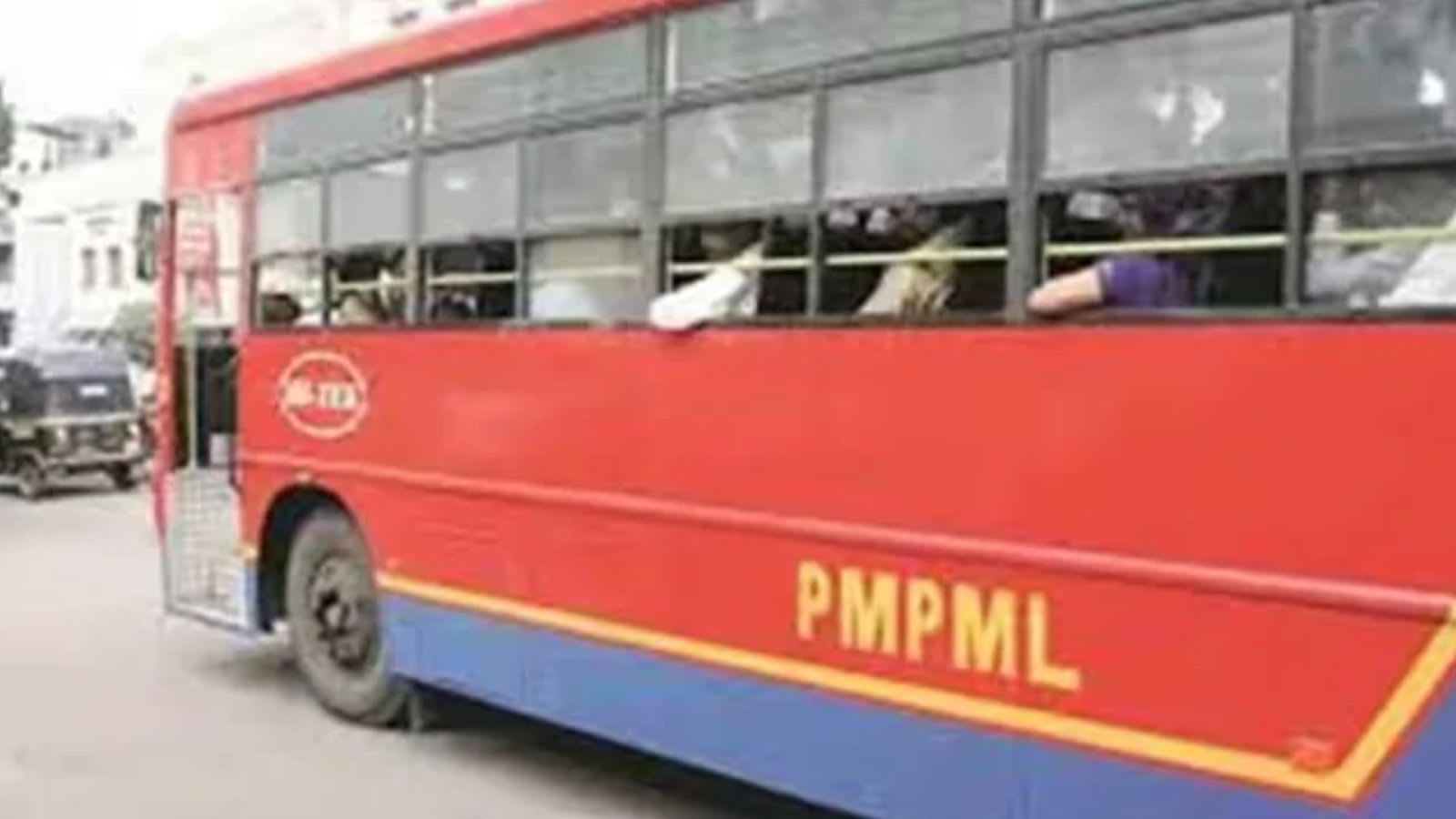
A new PMPML study reveals that while 94% of Pune and Pimpri Chinchwad residents live near transit, only 21% enjoy high-frequency bus service. The findings highlight a significant gap between accessibility and service reliability.
Assessing Public Transit Accessibility in Pune and Pimpri Chinchwad
A recent study conducted by the Pune Mahanagar Parivahan Mahamandal Limited (PMPML), titled the 'People Near Transit (PNT) 2026 Study,' has shed light on the stark disparity between geographical access to public transport and the actual frequency of service available to citizens. While the study reports a commendable 94 per cent coverage rate—meaning the vast majority of residents in Pune and Pimpri Chinchwad are within a 5-10 minute walk of a transit point—the operational reality tells a different story regarding efficiency.
The Frequency Gap
The most critical finding of the PNT 2026 Study is the revelation that only 21 per cent, or roughly 1 in 5 residents, benefit from a bus frequency of five minutes. This metric is a vital indicator of a robust, commuter-friendly transit system. In urban planning, the 'five-minute window' is often considered the gold standard for high-frequency corridors, as it minimizes wait times and eliminates the need for commuters to rely on rigid schedules, thereby encouraging public transport adoption over private vehicle use.
Collaborative Framework and Methodology
The study was developed with technical support from the Institute for Transportation and Development Policy (ITDP), ensuring that the methodology utilized aligns with global standards for urban mobility assessment. By measuring 'People Near Transit,' the PMPML is moving beyond simple route mapping to quantify the utility of the network. The formal launch of these findings on August 24, attended by key leadership including Chairman Mahesh Awhad and Pune Mayor Manjusha Nagpure, signals a high-level administrative commitment to addressing these infrastructure deficits.
Broader Urban Implications
The implications for the Pune Metropolitan Region are significant. As the twin cities of Pune and Pimpri Chinchwad continue to witness rapid urbanization, the reliance on private transport contributes to congestion and environmental degradation. The current data suggests that while the physical infrastructure (bus stops) is well-distributed, the operational capacity is failing to meet the demands of a high-frequency urban lifestyle. Bridging the gap between the 94 per cent access rate and the 21 per cent frequency rate is the next logical step for municipal planners.
Future Trends and Strategic Planning
Looking ahead, the PNT 2026 Study provides a roadmap for the PMPML to prioritize fleet expansion and route optimization. By focusing on corridors where high population density coincides with low bus frequency, officials can maximize the impact of future budget allocations. The involvement of the Standing Committee and Municipal Commissioner indicates that these findings will likely influence future fiscal policies, aiming to convert the current 'accessible but infrequent' network into a truly integrated and responsive transit system.