Gorakhpur-Delhi Amrit Bharat Express: Check train number, route, stops and timings
Source Entity
Anish Mondal
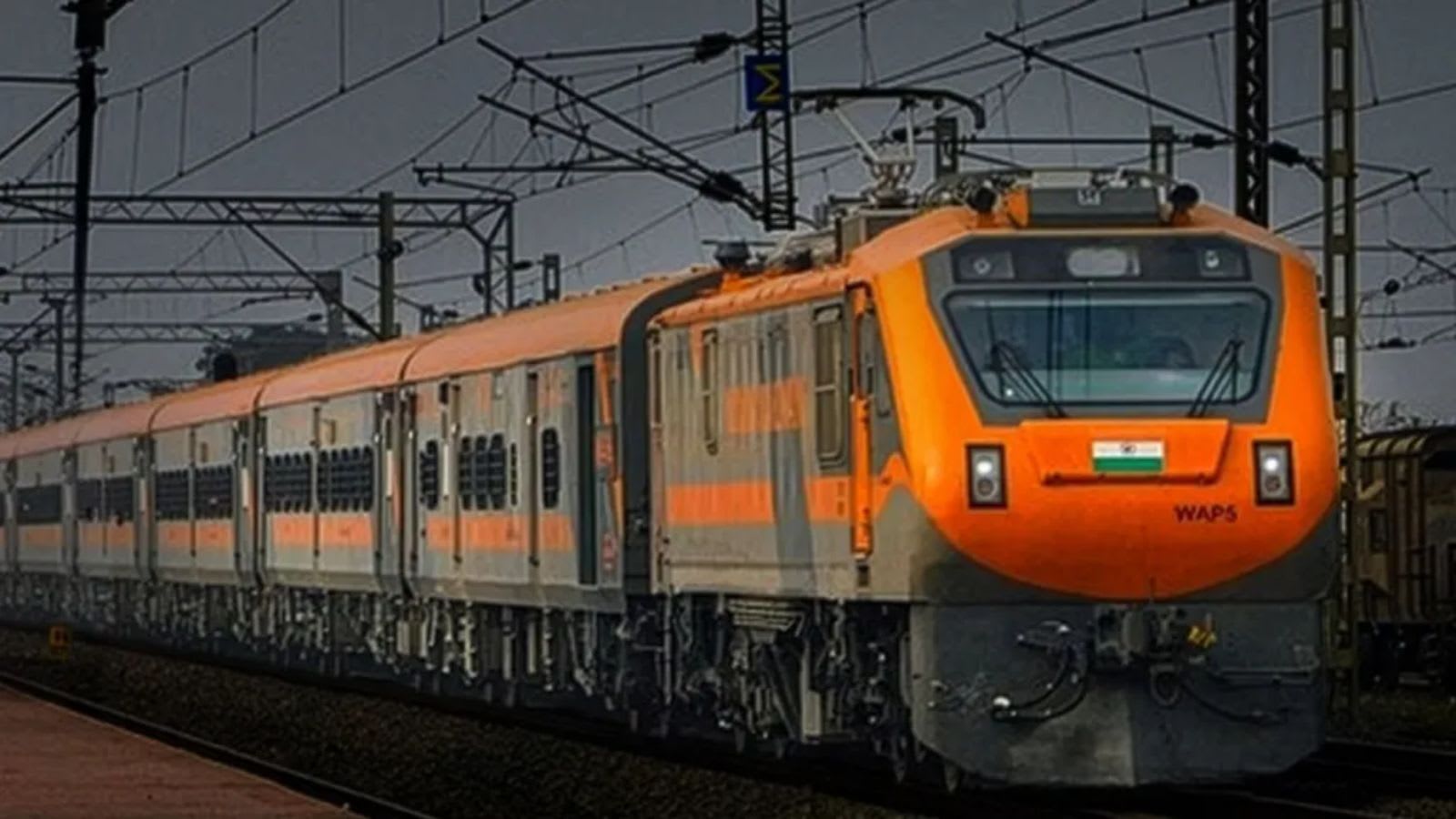
The Delhi Metro will operate early services starting at 4 am on August 15, 2026, to accommodate Independence Day attendees. Simultaneously, the Ministry of Railways has approved the new Gorakhpur-Delhi Amrit Bharat Express to improve regional connectivity.
Enhanced Transit Infrastructure for Independence Day 2026
As India gears up for Independence Day celebrations in 2026, the Delhi Metro Rail Corporation (DMRC) has announced a strategic adjustment to its operational schedule. To ensure seamless mobility for attendees heading toward the Red Fort, the DMRC will commence services at 4 am on August 15 across all lines. This proactive measure is designed to mitigate traffic congestion and provide a reliable transport alternative for the general public and invited guests during the national event.
Operational Details for August 15
According to Anuj Dayal, Principal Executive Director of Corporate Communications at DMRC, the early morning schedule includes trains operating at 30-minute intervals from all terminal stations. This frequency will remain in effect until 6 am, at which point the system will transition to its standard operational timetable. By facilitating early arrival, the DMRC aims to ensure that citizens can participate in the historic festivities without the burden of last-minute transit delays.
Expanding Rail Connectivity: The Amrit Bharat Express
In parallel with urban transit upgrades, the Ministry of Railways is bolstering long-distance connectivity with the approval of a new Gorakhpur-Delhi Amrit Bharat Express. Formally recognized in a Railway Board letter dated August 10, 2026, this service regularizes the former 05057/05058 special train into the permanent 15095/15096 Amrit Bharat Express route. This development represents a significant step in the government's broader initiative to modernize the railway network.
Socio-Economic Impact and Accessibility
The introduction of the Gorakhpur-Delhi Amrit Bharat Express is specifically targeted at lower and lower-middle-income demographics. By providing an affordable, high-speed rail alternative, the North Eastern Railway aims to bridge the economic gap in transit accessibility. The service, which covers approximately 780 km in roughly 14 hours, is poised to become a vital artery for commuters traveling between Uttar Pradesh and the national capital.
Future Trends in Indian Transportation
The integration of both the DMRC’s holiday-specific scheduling and the launch of new express trains highlights a dual-track strategy in Indian infrastructure development. While metropolitan systems are focusing on high-frequency, event-based agility, the national rail network is shifting toward mass-market affordability and efficiency. These trends suggest a future where regional travel is not only faster but increasingly inclusive, supporting India’s growing economic mobility and the logistical demands of a burgeoning population.