Delhi-NCR wakes up to heavy rain, thunderstorms
Source Entity
SHREEDHAR RATHI
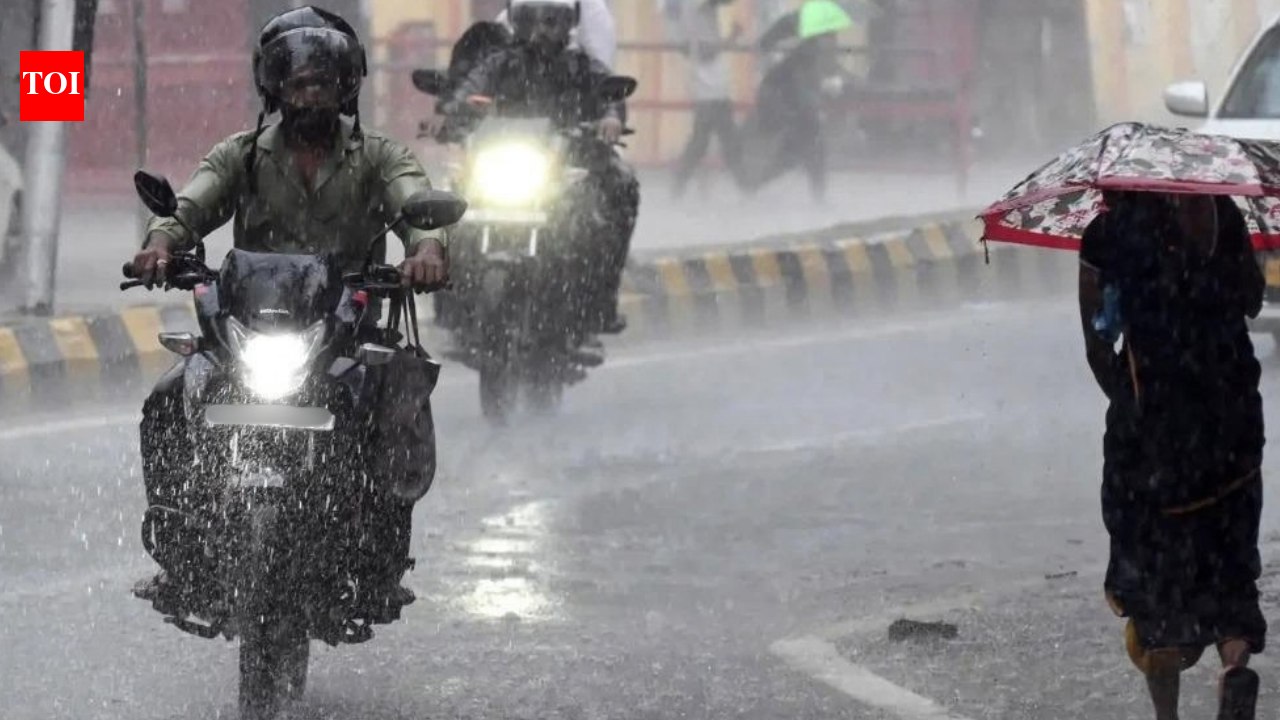
Delhi-NCR experienced intense rainfall and thunderstorms on October 12, 2026, prompting a red alert from the IMD. The downpour caused significant waterlogging across the capital region, though temperatures are expected to stabilize shortly.
Delhi-NCR Faces Intense Weather Disruption
On the morning of October 12, 2026, the Delhi-NCR region experienced a severe meteorological event characterized by heavy rainfall and intense thunderstorms. The sudden downpour caught residents off guard, significantly altering the capital's environment and daily operations. Data from the Safdarjung observatory—a key marker for Delhi’s weather—confirmed 40 mm of rainfall by 5:30 a.m., while the Delhi airport recorded 30 mm, illustrating the widespread intensity of the storm system.
The Impact of the Red Alert
In response to the severity of the weather, the India Meteorological Department (IMD) issued a 'red' alert for the region. This high-level warning was necessitated by projections of lightning, gusty winds reaching speeds of 60 kmph, and rainfall rates exceeding 15 mm per hour. The alert highlighted the potential danger to public safety and infrastructure, serving as an urgent notification for authorities to manage the immediate risks posed by such volatile atmospheric conditions.
Regional Spread and Infrastructure Challenges
The impact was not confined to Delhi proper; neighboring urban hubs including Noida, Gurugram, and Ghaziabad faced similar meteorological challenges. The heavy precipitation led to significant waterlogging in several areas, including parts of R K Puram, Kartavya Path, and various sectors across central, southeast, and west Delhi. These infrastructure disruptions highlight the persistent vulnerability of the NCR’s drainage and transport networks when faced with sudden, high-intensity precipitation events.
Meteorological Context and Temperature Shifts
The storm brought a temporary reprieve from heat, ushering in cooler conditions across the capital. While the immediate aftermath involves managing waterlogging, the IMD predicts that maximum temperatures will settle between 31 and 35 degrees Celsius in the coming days. This shift underscores the transitional nature of the current weather pattern as the region moves through its seasonal cycle.
Looking Ahead: A Brief Respite
Following the initial period of chaos, the IMD has provided a clearer outlook for the remainder of the week. The forecast indicates a transition to partly cloudy skies with no significant rainfall expected over the next six days. This period of stability will likely allow local municipal bodies to address the waterlogging issues and repair any minor damages caused by the gusty winds and heavy rain, signaling a return to relative normalcy for the residents of Delhi-NCR.