‘Police took our phones for 24 hours, might plant evidence’: CJP leaders after release from detention
Source Entity
Alok Singh
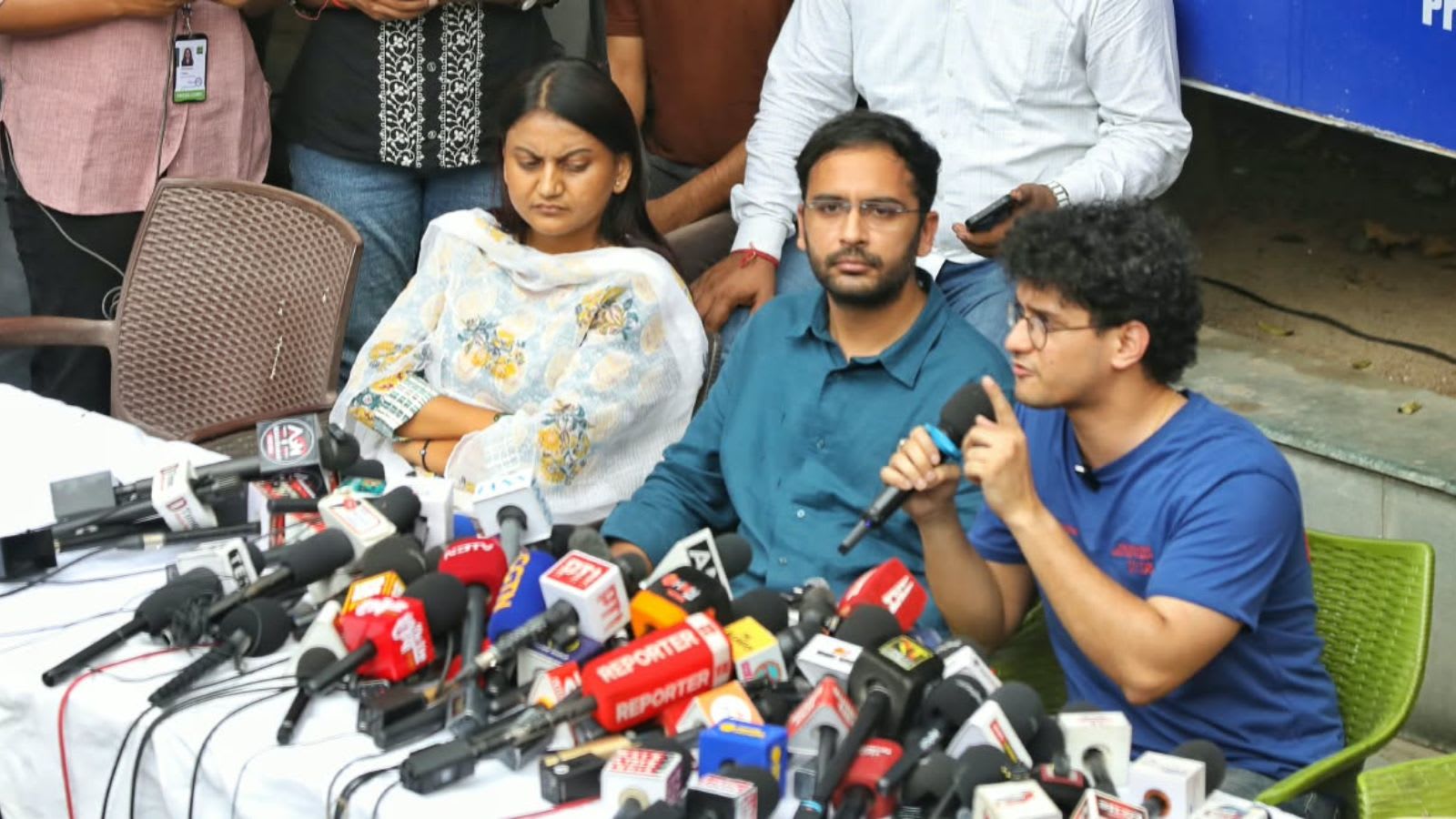
Authorities in Gautam Budh Nagar and Delhi have implemented strict security measures, including Section 163 of the BNSS and mass detentions, ahead of a planned Cockroach Janta Party (CJP) protest. Over 35,000 security personnel are being deployed to manage potential unrest and prevent public disorder.
Security Clampdown Ahead of CJP Protest
The security apparatus in the National Capital Region (NCR) has been placed on high alert as authorities move to preemptively manage a protest organized by the Cockroach Janta Party (CJP). With the demonstration scheduled to take place at Jantar Mantar, both the Delhi Police and the Gautam Budh Nagar police have initiated a series of restrictive measures to maintain law and order. These actions reflect a broader strategy of risk mitigation often employed during periods of intense political friction.
Legal Framework and Restrictions
In Gautam Budh Nagar, local police have invoked Section 163 of the Bharatiya Nagarik Suraksha Sanhita (BNSS), 2023, to enforce a comprehensive set of 18 restrictions. These measures, valid through October 20, strictly prohibit unauthorized processions and gatherings of five or more people in public spaces. Furthermore, the authorities have explicitly banned the storage of materials such as bricks, stones, or flammable substances in open areas to prevent the escalation of violence during the protest period.
Preventive Policing in Delhi
Simultaneously, the Delhi Police have escalated their operational response to the protest against the Election Commission. Recognizing the potential for disruption, officials have deployed a massive security force of approximately 35,000 personnel throughout the city. This deployment is complemented by tactical road blockades and potential interruptions to public infrastructure, including metro services and market operations, as the administration prioritizes public safety over logistical convenience.
Targeted Detentions and Intelligence Operations
As part of a proactive security strategy, the Delhi Police conducted extensive overnight operations across 15 districts. Reports indicate that at least 100 individuals with existing criminal records have been taken into preventive custody. Officials suspect that these individuals might have intended to participate in the CJP-led gathering, potentially turning a political demonstration into a focal point for civil disorder. This move underscores the police's reliance on intelligence-led policing to neutralize threats before they manifest.
Reasons for Denied Permission
The standoff between the CJP and the authorities is rooted in the denial of permission for the Jantar Mantar gathering. Joint Commissioner of Police (New Delhi) Nupur Prasad confirmed that the application for the protest was submitted at the last minute and cited non-compliance with conditions established during previous demonstrations. This administrative rejection has set the stage for a tense confrontation, as organizers push to voice their grievances against the Election Commission and specific officials, including CEC Gyanesh Kumar.
Future Implications and Conclusion
This escalation highlights the ongoing volatility surrounding public demonstrations in the capital. The combination of restrictive legal orders and aggressive preventive detentions suggests a trend toward zero-tolerance policies regarding unauthorized political assembly. As the situation remains fluid, the effectiveness of these security measures will depend on the authorities' ability to balance the constitutional right to protest with the fundamental requirement of maintaining public order in a high-density urban environment.
Multiple Citing Sources