Jantar Mantar Tells The Time. Clock Is Now Ticking On Its Future As Protest Site
Source Entity
NDTV News Search Records Found 1000
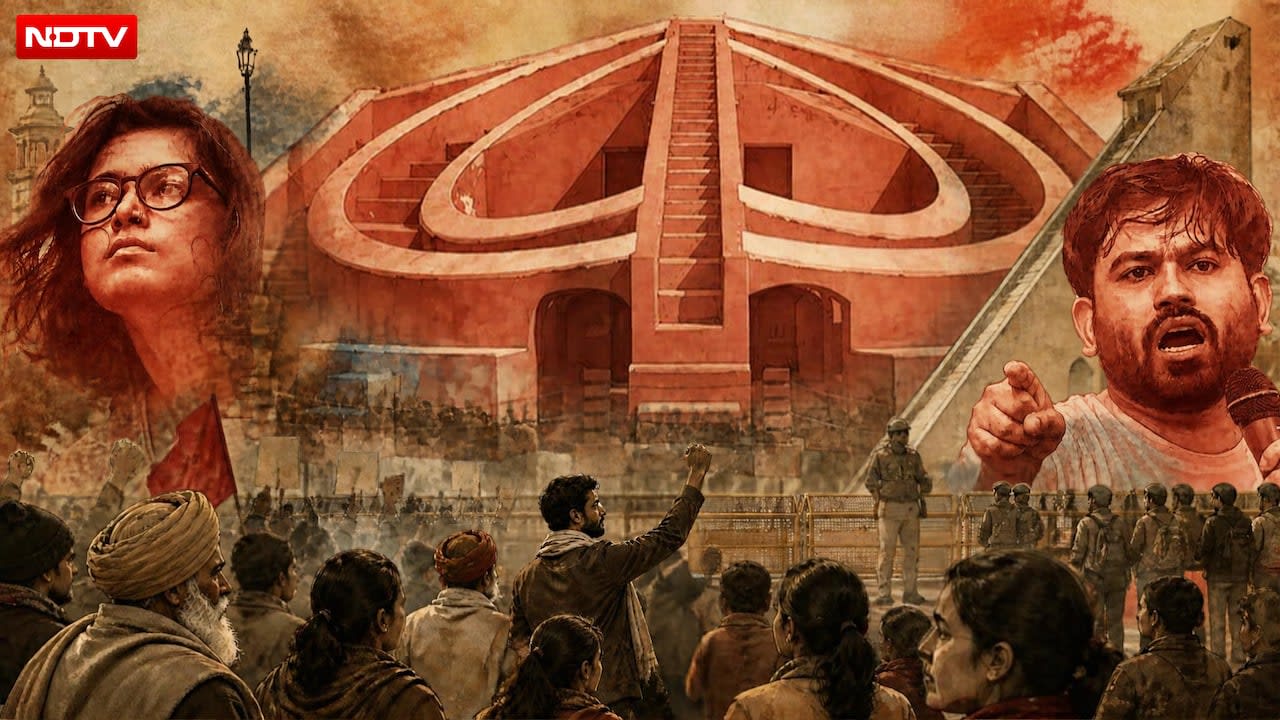
Jantar Mantar, historically a site for astronomical observation, has evolved into a vital hub for political protest in India. Its future as a designated protest venue is now being debated as urban demands and historical preservation intersect.
The Intersection of Astronomy and Activism
Jantar Mantar, originally constructed as an astronomical observatory by Maharaja Jai Singh II in the 18th century, stands as a testament to India's scientific heritage. However, in the modern political landscape, the site has transcended its original purpose to become the de facto epicenter of public dissent. For generations, this location has provided a visible platform for activists, farmers, and marginalized communities to voice their grievances directly to the seat of power in New Delhi.
A Legacy of Democratic Expression
The transformation of Jantar Mantar into a protest site highlights the unique way Indian democracy integrates historical landmarks into contemporary civic life. Unlike many global cities where protests are relegated to peripheral zones, the proximity of Jantar Mantar to the corridors of government makes it a powerful symbolic tool. It serves as a bridge between the historical identity of the nation and the ongoing, often turbulent, evolution of its democratic discourse.
The Tension of Urban Management
As the city of Delhi continues to expand and modernize, the utility of Jantar Mantar as a protest site faces increasing scrutiny. The dual role of the site—as a protected monument of significant cultural value and as a public space for political assembly—creates inherent friction. Urban planners and local authorities must now weigh the preservation of delicate architectural instruments against the constitutional right of citizens to assemble and protest in high-profile locations.
Changing Dynamics of Protest
The 'clock is ticking' on the site’s status as a protest venue, suggesting a shift in how public spaces are managed in the capital. This potential transition reflects broader trends in urban governance, where authorities are increasingly seeking to balance public order and security with the necessity of maintaining democratic spaces. The discourse surrounding the site is not merely about noise or traffic, but about the fundamental role of public space in a functioning republic.
Future Implications for Civic Space
The future of Jantar Mantar will likely serve as a blueprint for how other historic sites are managed in the face of modern political demands. If the site is restricted or repurposed, it could signal a shift toward more controlled and centralized protest environments, potentially altering the nature of grassroots activism in India. The legacy of the site remains tied to its ability to facilitate dialogue, and any decision regarding its future will have lasting impacts on the visibility of public dissent.
Verification Required?