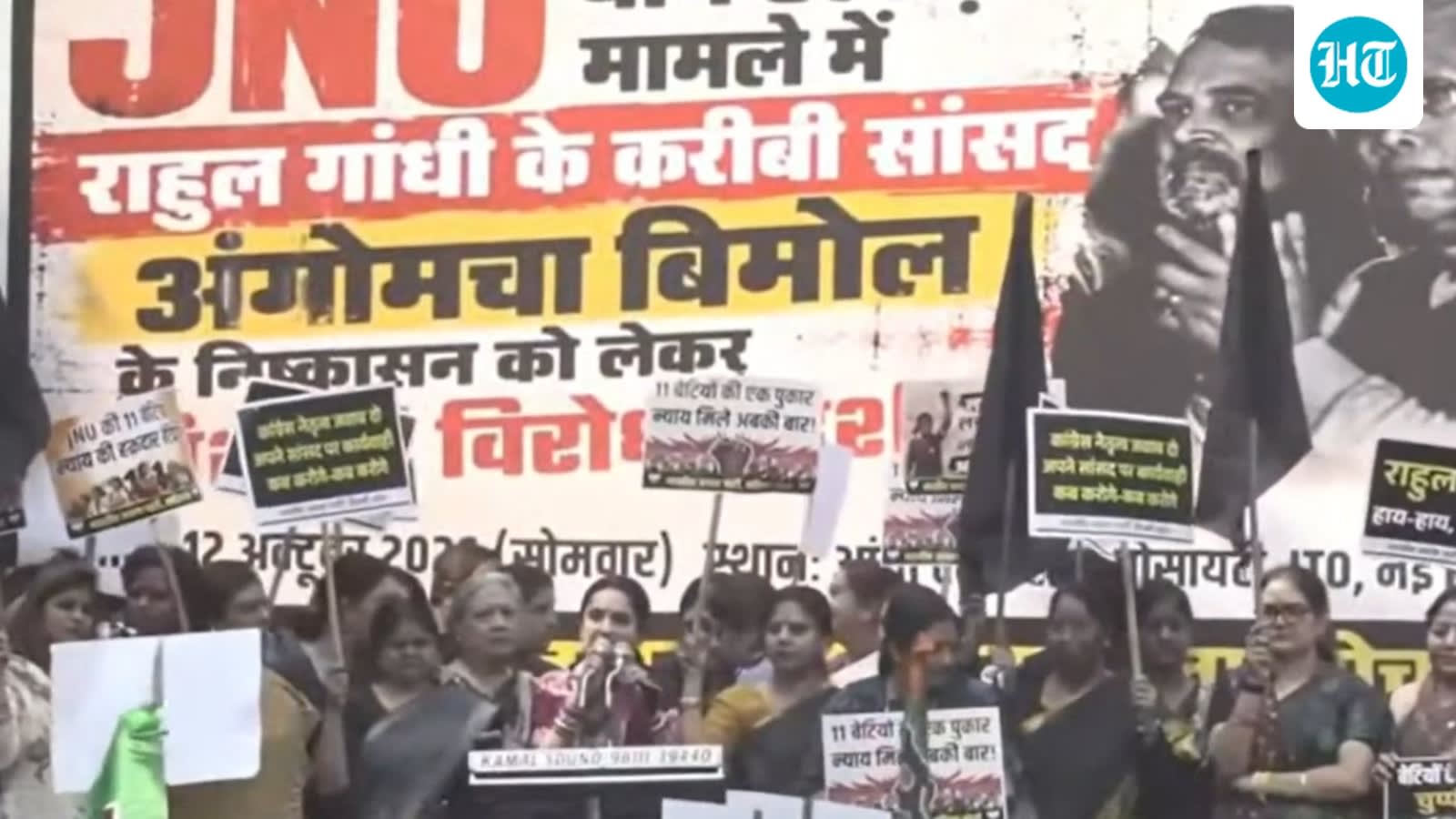
'Shielding a predator': BJP stages protest over sexual harassment case against Congress MP at JNU
Source Entity
Latest News: Todays Latest News Headlines from India & World | Hindustan Times | Hindustan Times
Gautam Budh Nagar and Delhi police have implemented strict security measures, including Section 163 and mass preventive detentions, to manage a planned protest by the Cockroach Janta Party. Authorities have deployed 35,000 personnel and restricted public gatherings to prevent potential unrest in the national capital.
Security Lockdown in the National Capital Region
In anticipation of a major protest organized by the Cockroach Janta Party (CJP) at Jantar Mantar, authorities in both Delhi and the neighboring Gautam Budh Nagar district have implemented extensive security protocols. These measures, effective through October 20, reflect a proactive strategy by law enforcement to maintain public order and prevent the escalation of tensions surrounding the ongoing Election Commission controversy involving CEC Gyanesh Kumar.
Legal Framework and Restrictions
The Gautam Budh Nagar police have invoked Section 163 of the Bharatiya Nagarik Suraksha Sanhita (BNSS), 2023, to enforce a series of 18 specific restrictions. These include a ban on unauthorized public gatherings of five or more people on public roads and intersections, as well as the prohibition of storing potentially volatile materials like bricks, stones, or flammable substances in open spaces. By requiring prior written permission for any public activity, the police aim to mitigate the influence of anti-social elements who might exploit the protest for violent purposes.
Delhi’s Multi-Tiered Security Strategy
Simultaneously, the Delhi Police have mobilized a massive security force of approximately 35,000 personnel to secure the capital. The strategy involves not only physical barricading and road blockades but also significant disruptions to public infrastructure, including metro services and market operations. This comprehensive approach is designed to create a sterile environment around the Jantar Mantar area, effectively neutralizing the logistical capacity for a large-scale demonstration.
Preventive Detentions and Intelligence Operations
One of the most notable aspects of the current security posture is the preemptive detention of individuals with prior criminal records. Overnight operations across 15 districts of Delhi have resulted in the detention of at least 100 people suspected of planning to join the CJP-led protest. This tactic underscores the police's reliance on intelligence-led policing to isolate potential agitators before they can reach the protest site, citing concerns over public safety and past non-compliance with demonstration conditions.
The Broader Political Context
The intensity of these security measures highlights the volatile nature of the current political climate regarding the Election Commission. The denial of permission for the Jantar Mantar protest—attributed to last-minute applications and previous breaches of conduct—has exacerbated the friction between the CJP and the state machinery. As the situation evolves, the deployment of such a high volume of security personnel suggests that the government views the protest not merely as a civil demonstration, but as a significant threat to the stability of the national capital.
Future Trends in Public Order Management
Looking ahead, the use of BNSS provisions and massive preventive detentions suggests a shift toward a zero-tolerance policy for protests deemed likely to disrupt public order. The reliance on broad-spectrum restrictions in the NCR region indicates that authorities will continue to coordinate cross-border security measures to prevent protesters from bypassing local bans. The precedent set by these 11 days of restrictions may well dictate how future political demonstrations are managed in the capital, prioritizing state security and administrative control over traditional protest access.
Multiple Citing Sources
Verification Required?