How Jantar Mantar became Delhi's designated protest site and what changes now
Source Entity
ABHISHEK MISHRA
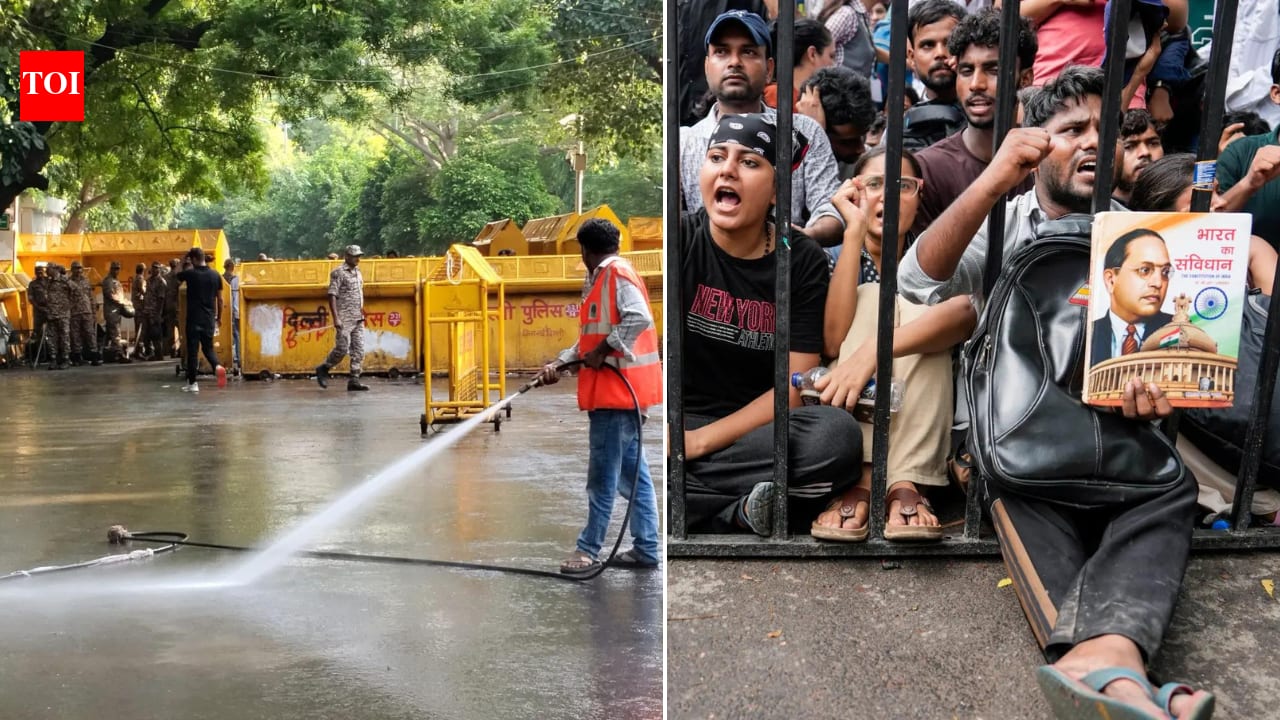
The Delhi High Court is reviewing a challenge against the closure of Jantar Mantar as a protest site. The MHA has officially de-notified the location, designating Ramlila Ground, Burari Ground, and CBD Ground as replacements.
The Closure of Jantar Mantar: A Shift in Delhi's Protest Landscape
On October 12, 2026, a significant administrative shift occurred in the national capital as the Ministry of Home Affairs (MHA) officially de-notified Jantar Mantar as a designated venue for public protests and demonstrations. This decision, communicated through a notice by Delhi Police Commissioner Anurag Kumar, marks the end of an era for a site long considered the epicenter of civil discourse and dissent in India. The government has transitioned these activities to three newly designated locations: Ramlila Ground in Central Delhi, Burari Ground in North Delhi, and the CBD Ground in East Delhi.
The Legal and Judicial Response
The move has prompted immediate legal scrutiny. On October 12, 2026, a petition was brought before a Bench of Acting Chief Justice Nitin Wasudeo Sambre and Justice Sanjay Sharma, challenging the closure of Jantar Mantar. Counsel for the petitioners argued that the restriction effectively quells peaceful protests by failing to provide an adequate or accessible alternative. While the High Court declined an emergency hearing, it scheduled the matter for October 13, 2026, noting that the Supreme Court is already actively seized of the broader constitutional questions regarding protest rights.
Security Concerns and Public Order
Beyond the administrative de-notification, the High Court is also set to address a separate petition regarding the security of demonstrators. Reports indicate that during a protest held over the weekend, alleged "outsiders" infiltrated the gathering, leading to the harassment of peaceful participants. This incident highlights the growing tension between the administration's desire to maintain public order and the citizens' fundamental right to assemble, suggesting that the transition to new, potentially more secluded venues may not resolve the inherent security challenges faced by activists.
Origins of the Policy Change
The decision to relocate protesters follows the recommendations of a committee constituted by the MHA to identify suitable venues. The shift appears to have been catalyzed by evolving public discourse, including activities by groups such as the Cockroach Janta Party (CJP), which utilized social media to amplify pressure on the administration. The government’s move to decentralize protests by moving them to peripheral grounds like Burari and CBD Ground reflects a strategic attempt to manage the logistical and traffic-related impacts that large-scale demonstrations historically imposed on the heart of New Delhi.
Broader Implications for Civil Society
This policy change raises profound questions about the future of democratic expression in India. By moving protest venues further from the centers of power, critics argue that the government risks diluting the efficacy and visibility of civil movements. The upcoming hearings in the Delhi High Court and the ongoing oversight by the Supreme Court will be critical in determining whether these new sites provide a meaningful platform for dissent or if they function as a mechanism for marginalization. The outcome of these judicial proceedings will likely set a lasting precedent for how the state balances urban administration with the constitutional right to protest.
Multiple Citing Sources