BJD takes strong exception to Odisha Governor-designate’s remark
Source Entity
India Latest News: Top National Headlines Today & Breaking News | The Hindu
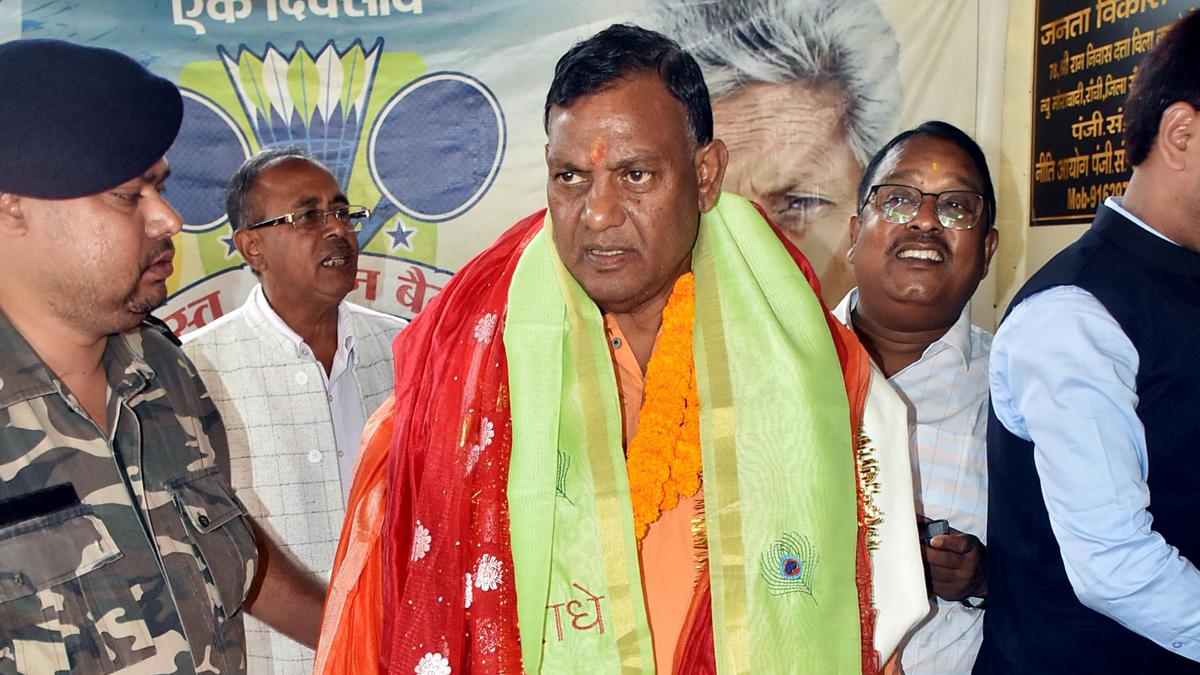
The Biju Janata Dal (BJD) has formally condemned Odisha Governor-designate Braj Mohan Ram for suggesting he would strengthen the BJP while in office. The BJD argues this statement violates the constitutional principle that a Governor must remain strictly non-partisan.
Constitutional Controversy in Odisha
The political landscape in Odisha has been ignited by recent remarks made by Governor-designate Braj Mohan Ram. Following his appointment, Mr. Ram reportedly stated his intention to work toward strengthening the Bharatiya Janata Party (BJP) organization once he assumes his gubernatorial duties. This comment has drawn immediate and sharp criticism from the Biju Janata Dal (BJD), the primary opposition party in the state.
The Role of the Governor and Political Neutrality
At the heart of this dispute is the constitutional expectation that the Governor of an Indian state must function as an impartial constitutional head. The BJD, through spokesperson Lenin Mohanty, has expressed public shock at the remarks, characterizing them as a negation of the principle that a Governor must remain above party politics. By openly declaring an intent to bolster a specific political party, the Governor-designate has sparked a debate regarding the erosion of institutional neutrality.
Background of the Governor-designate
Braj Mohan Ram, aged 68, brings a lengthy background in electoral politics to his new role. Having been first elected to the Bihar Legislative Assembly in 1991 and subsequently serving in the Lok Sabha in 1996 and 1998, his career has been deeply intertwined with partisan legislative processes. Following the bifurcation of Bihar, he represented the Palamu Lok Sabha constituency in Jharkhand. This extensive history as an active party politician appears to have informed the rhetoric that the BJD now finds so objectionable.
Broader Implications for Federalism
The friction between the BJD and the incoming Governor underscores the precarious balance between central appointments and state-level governance. When an appointee to a high constitutional office signals allegiance to a specific political agenda, it often leads to a breakdown in the cooperative federalism required for the smooth administration of a state. The BJD’s strong objection reflects a broader concern that the office of the Governor could be leveraged to undermine opposition-led political dynamics.
Historical Context of Gubernatorial Appointments
While the BJD noted that Mr. Ram is not the first appointee to face scrutiny, the explicit nature of his stated goals marks a significant escalation in political discourse. Historically, the appointment of individuals with strong party affiliations to the office of the Governor has frequently led to friction between state governments and the central government. This event serves as a reminder of the ongoing struggle to maintain the independence of constitutional offices in an increasingly polarized political environment.
Future Trends and Political Fallout
Looking ahead, this controversy is likely to set a precedent for how the BJD and other opposition parties engage with the new Governor. If the Governor-designate maintains his stance, we can expect increased parliamentary scrutiny and potential legal or constitutional challenges regarding the limits of a Governor's political expressions. This situation will likely remain a focal point of Odisha’s political narrative in the coming months as the state watches to see how these stated intentions translate into official actions.
Verification Required?