Rahul Gandhi and co vs Election Commission: INDIA bloc files petition in Supreme Court over SIR voter deletions
Source Entity
Latest News: Todays Latest News Headlines from India & World | Hindustan Times | Hindustan Times
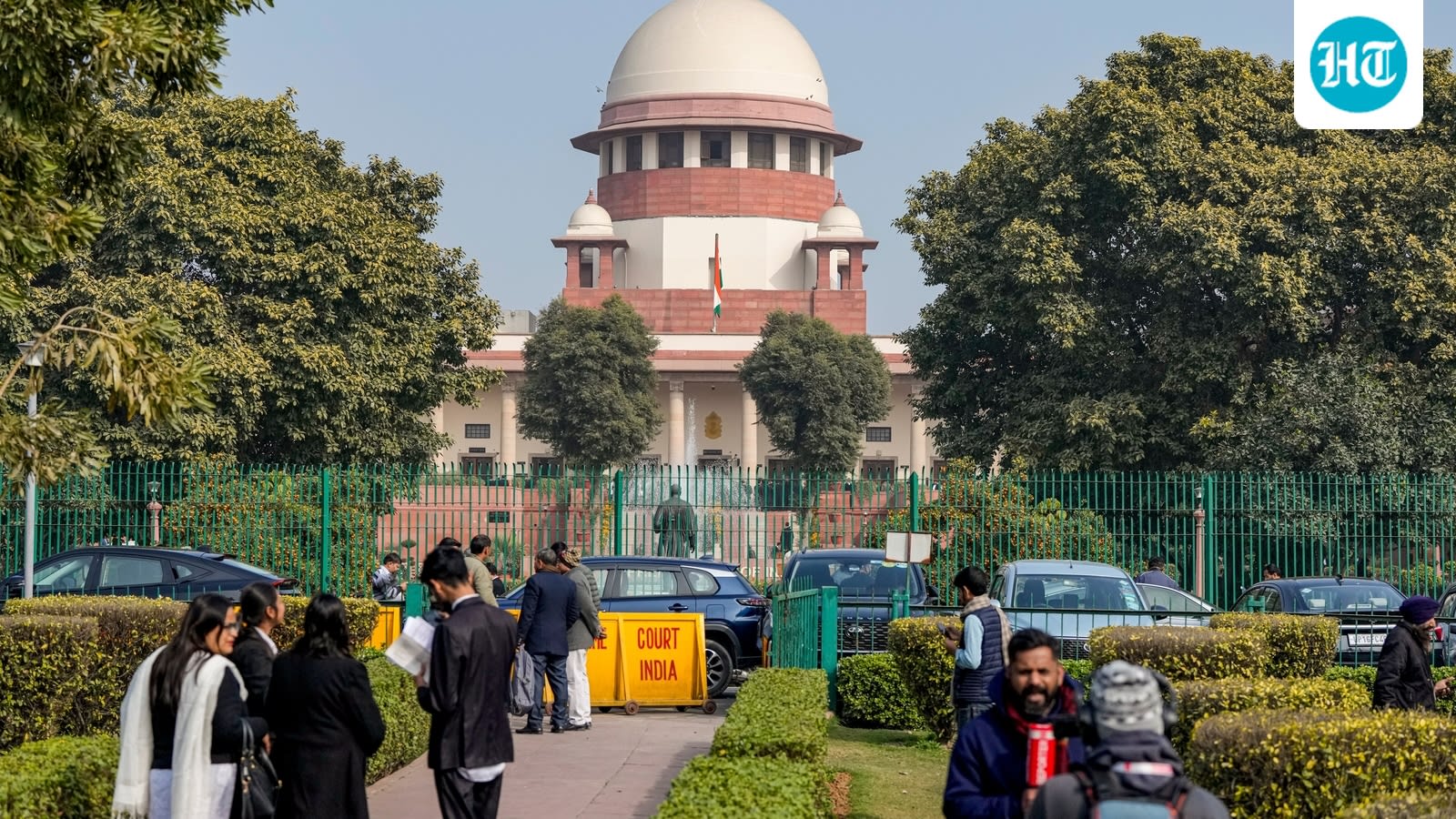
The INDIA bloc, led by Rahul Gandhi, has petitioned the Supreme Court to investigate alleged irregularities in voter deletions during the Election Commission's Special Intensive Revision (SIR). The petition demands an independent inquiry and access to official ECI records to ensure transparency in the voter registration process.
INDIA Bloc Challenges Election Commission Over Voter Data Integrity
In a significant escalation of political tension, Leader of the Opposition Rahul Gandhi, accompanied by a delegation of leaders from the INDIA bloc, has officially filed a petition in the Supreme Court of India. The move targets the Election Commission of India (ECI) regarding alleged discrepancies in the deletion of voters during the Special Intensive Revision (SIR) process. By naming Chief Election Commissioner Gyanesh Kumar and Election Commissioners Sukhbir Singh Sandhu and Vivek Joshi as respondents, the opposition alliance is signaling a direct challenge to the administrative oversight of the electoral body.
The Core Allegations and Procedural Demands
The petition, filed on October 12, 2026, centers on the transparency of the SIR, a critical periodic exercise aimed at updating electoral rolls. The opposition leaders are urging the Supreme Court to summon all internal records and official notings related to the decision-making processes governing these deletions. The core concern is whether the ECI's administrative actions have inadvertently or systematically disenfranchised eligible voters, thereby undermining the integrity of the democratic process.
Seeking Independent Oversight
Beyond merely requesting records, the petition calls for the formation of an independent committee to conduct a comprehensive probe into the SIR process. This demand reflects a deep-seated lack of trust in the current institutional mechanisms, with the petitioners arguing that internal ECI processes require external validation. By involving the judiciary, the INDIA bloc is seeking to shift the burden of transparency from the ECI to an independent body, aiming to restore public confidence in the electoral roll management system.
Digital Infrastructure Under Scrutiny
The petition also casts a critical eye on the ECI's digital infrastructure, specifically the ECINet portal and the online voter registration mechanisms. As the ECI increasingly relies on digital tools to streamline voter services, the opposition claims that these systems may be contributing to the very discrepancies they are currently challenging. A re-look at these digital services is framed as a necessary step to prevent future technical or procedural errors that could impact voter participation.
Broader Implications for Democratic Institutions
This legal battle highlights the growing friction between the executive-appointed election body and the legislative opposition. The involvement of top leaders from the Congress, Trinamool Congress, Samajwadi Party, RJD, and Left parties underscores the collective weight behind these accusations. The outcome of this case could set a significant precedent for how electoral bodies handle transparency and how the judiciary intervenes in the administrative functions of constitutional authorities.
Future Trends and Judicial Expectations
As the Supreme Court prepares to hear the matter, the focus will likely remain on whether the court finds sufficient grounds to intervene in the ECI’s internal decision-making. If the court grants the request for an independent probe, it could lead to a major overhaul of how voter rolls are maintained in India. Conversely, a dismissal could lead to further political polarization, with the opposition likely to continue questioning the neutrality of the ECI in upcoming electoral cycles.
Verification Required?