Health minister JP Nadda, MoS Jitendra Singh meet Sonam Wangchuk at Medanta Hospital
Source Entity
TOI NEWS DESK
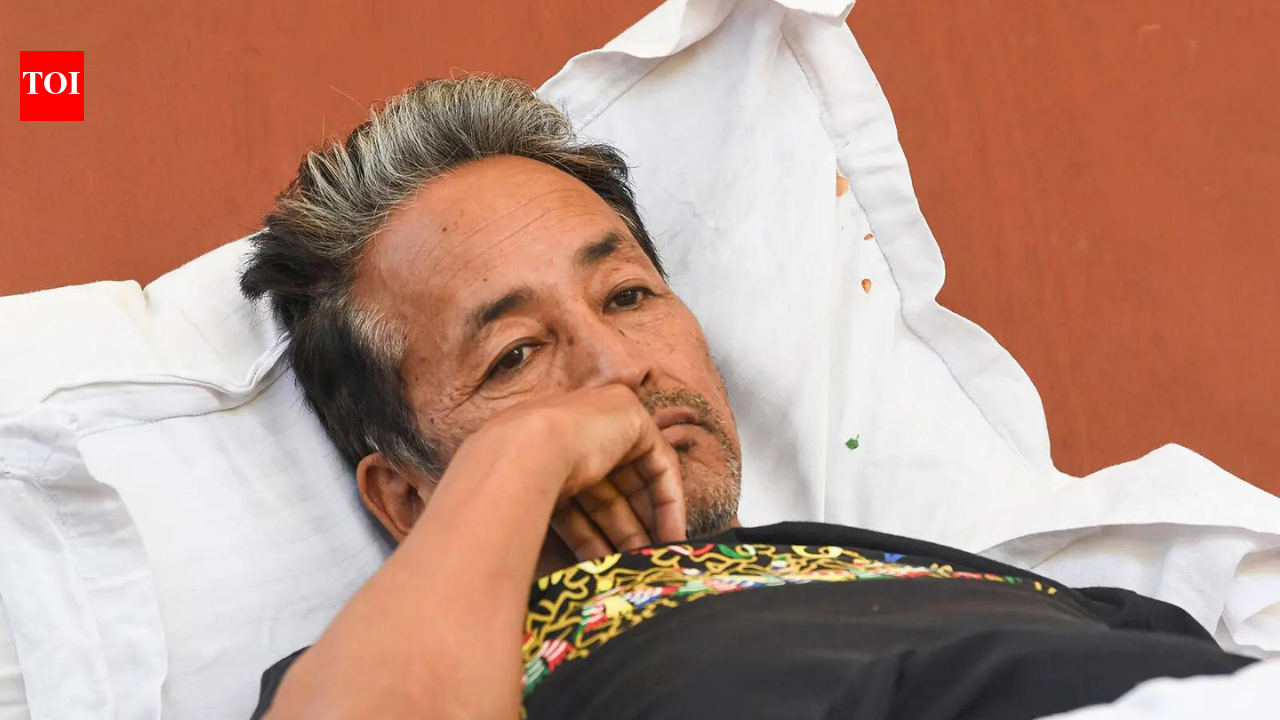
A massive protest march in Delhi led by the CJP resulted in widespread violence, leaving over 100 police personnel and dozens of protesters injured. The demonstration, which sought the resignation of Education Minister Dharmendra Pradhan, ended with the detention of protesters and the hospitalization of activist Sonam Wangchuk.
The Delhi Protest Crisis: A Breakdown of the Parliament March
The recent protest march in the heart of Delhi, organized under the banner of the CJP (Climate and Justice Protest), quickly descended into a volatile confrontation. What began as a collective movement centered on demands for the resignation of Education Minister Dharmendra Pradhan escalated into a chaotic scene defined by teargas, lathi-charges, and significant physical altercations between demonstrators and law enforcement.
The Anatomy of the Conflict
As the protest reached a boiling point near Parliament Street, the atmosphere shifted from political demonstration to open conflict. Reports indicate that hundreds of protesters sought refuge within the walls of Gurdwara Bangla Sahib to escape the escalating police response. The visual of protesters clutching damp handkerchiefs against teargas highlights the intensity of the security measures deployed to contain the surging crowds.
Escalation and Public Safety Concerns
According to official statements from the Delhi Police, the situation resulted in significant casualties on both sides. Over 118 police personnel, including senior officers, were reported injured, with authorities citing the use of stones and objects by protesters as the primary cause. Simultaneously, at least 60 protesters sustained injuries during the scuffle, leading to widespread concern regarding the safety of civilians and the methods employed to enforce prohibitory orders.
The Role of Sonam Wangchuk
The protest became further complicated by the involvement of prominent activist Sonam Wangchuk. As the demonstration intensified, the Delhi Police intervened to shift Wangchuk to Safdarjung Hospital. His removal from the site served as a flashpoint for the protesters, many of whom carried placards explicitly expressing solidarity with him, turning the march into a debate not only about education policy but also about the treatment of activists within the capital.
Broader Political Implications
The demand for the resignation of Education Minister Dharmendra Pradhan suggests a deep-seated dissatisfaction with current educational governance. By targeting a central government figure, the CJP-led march has effectively elevated the national discourse regarding accountability and the right to peaceful protest in public spaces. The destruction of public property and the vandalization of government vehicles during the event underscore the fragility of civic order when political demands meet firm police containment.
Future Trends and Outlook
The aftermath of this event likely signals a period of heightened surveillance and stricter enforcement of prohibitory orders in Delhi’s high-security zones. The heavy toll on both police and protesters suggests that future demonstrations may face even more restrictive measures. As the dust settles, the focus will likely shift toward the administrative response to the injuries sustained and the legal proceedings against the 70 protesters detained, potentially setting a precedent for how the state manages future civil unrest of this magnitude.
Multiple Citing Sources