Watch: CCTV captures moment Delhi's Satya Niketan building collapses, leaving 6 dead
Source Entity
KANCHAN YADAV
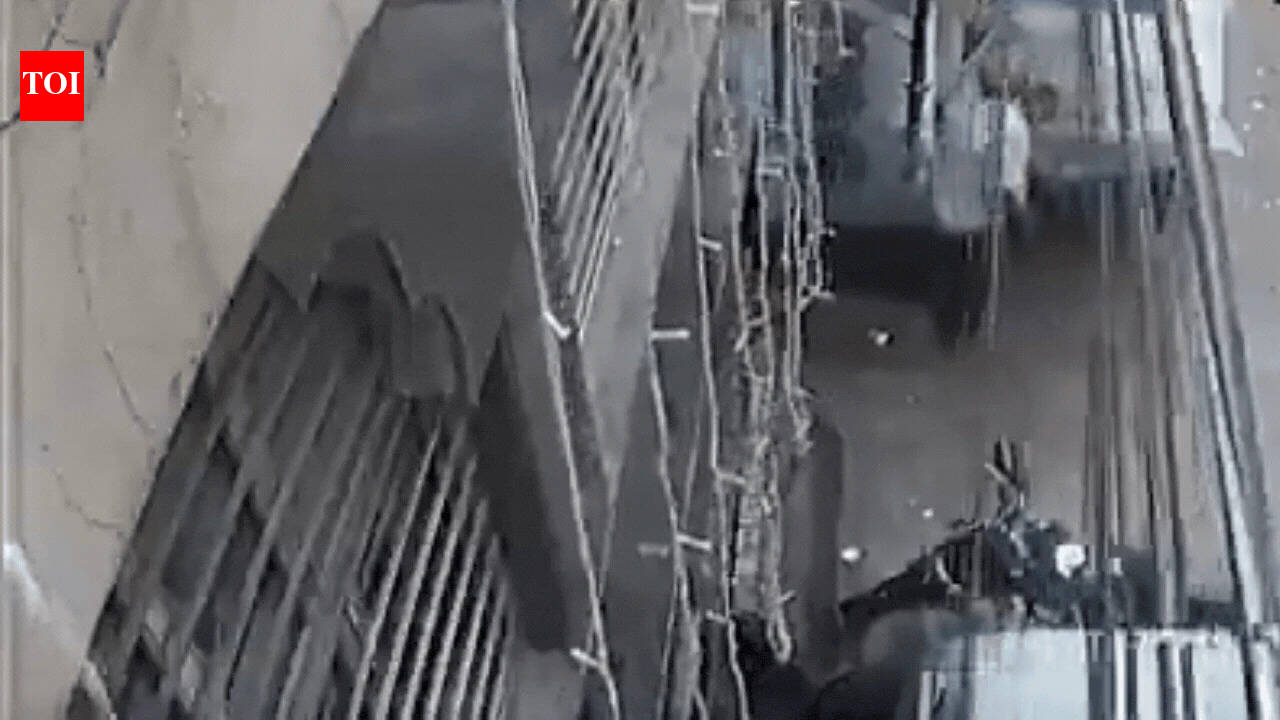
Following a deadly building collapse in Delhi that killed seven, the MCD has launched a massive crackdown on unauthorized PG accommodations. Authorities are initiating surveys and demolition drives to enforce safety standards and building regulations.
The Satya Niketan Tragedy: A Catalyst for Urban Reform
The recent collapse of a five-storey building in Delhi’s Satya Niketan neighborhood, which resulted in the tragic deaths of seven individuals—including five students—has exposed severe systemic failures in the capital's housing sector. The building, which operated as a paying guest (PG) accommodation, was found to have no sanctioned building plan, highlighting a dangerous trend of unregulated construction that prioritizes profit over structural integrity.
The Anatomy of Unregulated Housing
In the aftermath, it has come to light that the proliferation of these hazardous accommodations is often facilitated by a shadowy network of brokers. These intermediaries, frequently operating without accountability, assist in converting residential floors into high-density PG units to cater to the city's large student population. This practice often bypasses municipal oversight, leading to overcrowding and the structural overloading of buildings never designed for such usage.
Municipal Accountability and Immediate Action
In response to the public outcry and the severity of the loss, the Municipal Corporation of Delhi (MCD) has taken decisive steps. Beyond the immediate suspension of five officials, including a deputy commissioner, the civic body has launched a large-scale demolition drive. Within a single day, 35 unauthorized and unsafe structures were demolished across 12 MCD zones. This aggressive posture signals a shift toward stricter enforcement, though it also raises questions regarding the long-term sustainability of such reactive measures.
Towards a New PG Policy
Planning for a comprehensive survey of all PG accommodations is now underway. The MCD aims to map the number of residents in these facilities to identify those that pose an immediate risk to life. This survey is expected to be the precursor to a new, formal PG policy that mandates strict adherence to safety codes, structural audits, and licensing requirements. By formalizing this sector, the government hopes to curb the influence of unregulated brokers and ensure that student housing meets basic safety standards.
Future Trends and Challenges
Moving forward, the success of these initiatives will depend heavily on the MCD's ability to maintain oversight. The challenge lies in balancing the high demand for affordable student housing with the necessity of safe, sanctioned construction. If the proposed policy is implemented effectively, it could serve as a template for other rapidly urbanizing Indian cities facing similar challenges with unauthorized density. However, without sustained monitoring, there is a risk that the current momentum will fade once the immediate media attention subsides.
Conclusion
The tragedy in Satya Niketan serves as a grim reminder of the high cost of regulatory negligence. As the MCD moves forward with its survey and demolition campaigns, the focus must remain on creating a transparent, safe, and legalized framework for PG accommodations. Protecting the lives of students and residents must take precedence over the rapid, unchecked expansion of urban rental properties.
Multiple Citing Sources