Ahead of Brics, India & China hold military talks in Arunachal
Source Entity
SURENDRA SINGH
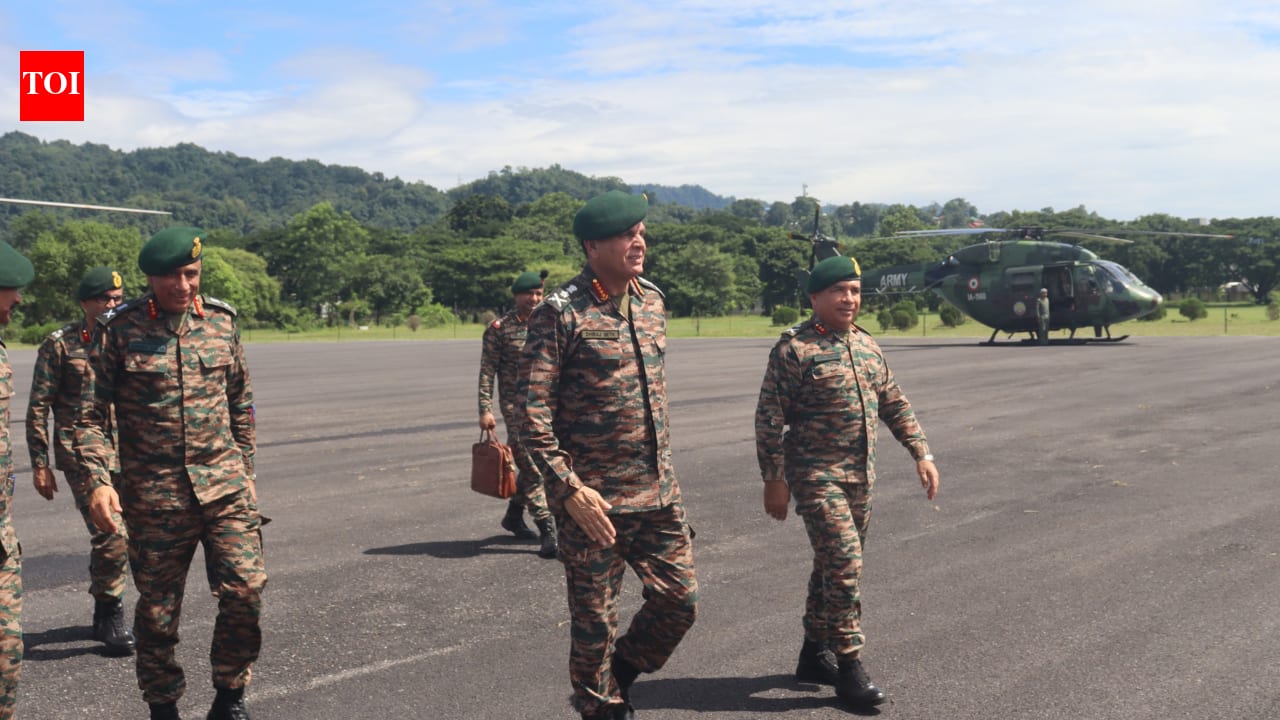
Indian and Chinese military commanders held their first-ever Corps Commander-level talks in the eastern sector of Arunachal Pradesh. The two-day meetings, held at Wacha and Damai, aim to maintain peace along the Line of Actual Control.
Diplomatic Breakthrough: India-China Military Talks in Arunachal Pradesh
A Milestone in Border Diplomacy
In a significant development for bilateral relations, India and China have conducted their first-ever Corps Commander-level military talks specifically within the eastern sector. This high-level engagement, confirmed by the Ministry of External Affairs (MEA), took place over two days—Sunday, September 6, and Monday, September 7—at Wacha on the Indian side and Damai on the Chinese side of the Arunachal Pradesh border. This rare interaction represents a deliberate shift toward localized conflict management in a region that has historically faced friction.
Strategic Context and Leadership
The dialogue was spearheaded by Lieutenant General Girish Kalia, commander of the Indian Army’s III Corps (Spear Corps), based in Rangapahar, Nagaland. His involvement underscores the strategic importance New Delhi places on the eastern sector. By engaging in a two-day, cross-border format—where the first session occurred on Indian soil and the second on the Chinese side—both nations demonstrated a commitment to procedural reciprocity, a vital component in building mutual trust during sensitive border negotiations.
Addressing the Taksing Friction Point
The talks were necessitated by ongoing tensions in the Taksing area of the Upper Subansiri district in Arunachal Pradesh. This specific region has been a focal point of concern due to potential miscalculations along the Line of Actual Control (LAC). By elevating the discussion to the Corps Commander level, both militaries aimed to move beyond lower-level flag meetings to address the root causes of instability in this rugged, high-altitude terrain.
Alignment with Higher-Level Mechanisms
This military-to-military engagement serves as a functional extension of broader diplomatic frameworks. The Ministry of External Affairs noted that these talks were a direct follow-up to recent discussions held by Special Representatives and existing border management mechanisms. This synchronization suggests that while the political leadership navigates the complexities of the India-China relationship, the military apparatus is working in tandem to prevent local skirmishes from escalating into broader diplomatic crises.
Implications and Future Outlook
The timing of these talks, occurring ahead of major diplomatic summits like BRICS, signals a potential thaw or, at minimum, a managed stabilization of ties. While the MEA spokesperson, Randhir Jaiswal, maintained discretion regarding the specific details of the discussions, the mere fact of the meeting’s occurrence is viewed as a positive development. Moving forward, the success of this 'Wacha-Damai' model of dialogue may serve as a blueprint for maintaining peace in other contested sectors along the vast and often ambiguous LAC.
Conclusion
As India and China continue to navigate a complex geopolitical landscape, the establishment of Corps Commander-level talks in the eastern sector marks a critical step toward enduring peace. By prioritizing direct military communication and maintaining a structured, two-day engagement schedule, both nations have signaled a preference for stability over confrontation in the Arunachal sector, providing a necessary buffer against the volatility that has characterized the region in recent years.