US Grounded All Flights After 9/11. Only 1 Was Allowed For A Snakebite Victim
Source Entity
NDTV News Search Records Found 1000
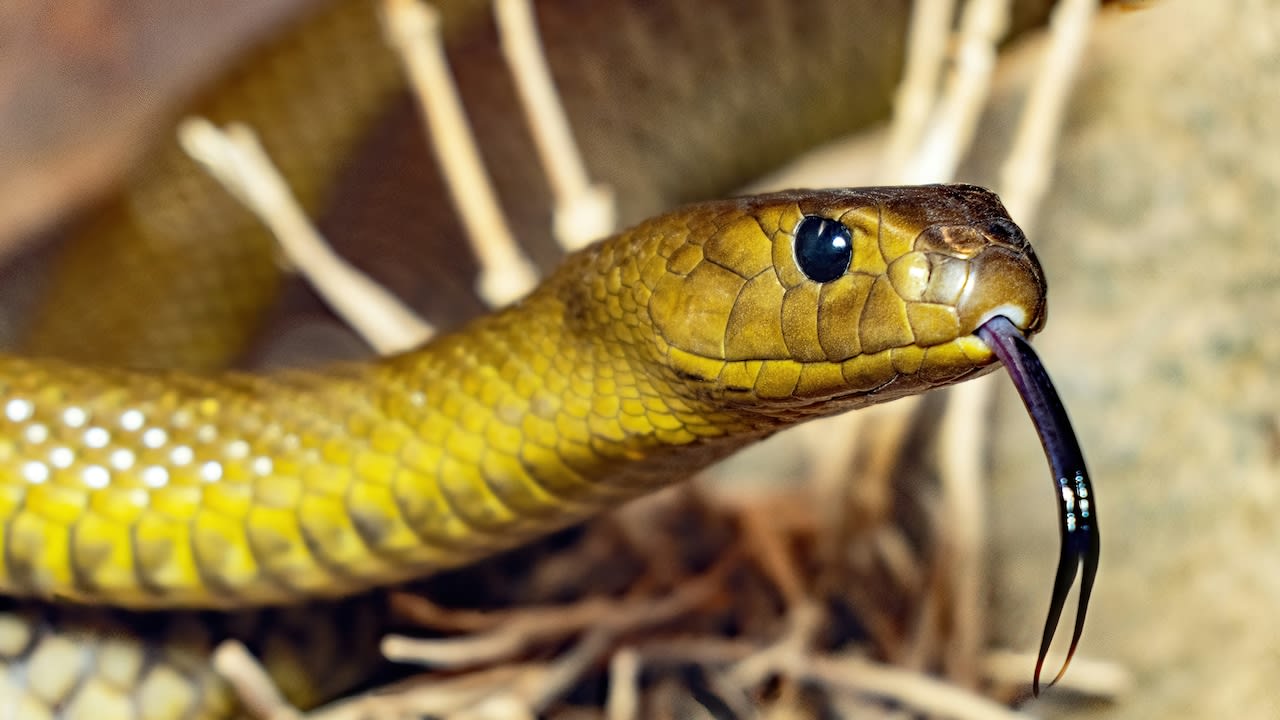
Following the 9/11 attacks, the FAA implemented an unprecedented nationwide grounding of all flights in U.S. airspace. Amidst this total shutdown, a singular exception was made to transport life-saving antivenom for a patient suffering from a bite by a highly toxic Australian snake.
The Unprecedented FAA Grounding of 9/11
In the immediate aftermath of the September 11, 2001, terrorist attacks, the Federal Aviation Administration (FAA) took the historic and unprecedented step of grounding all civilian air traffic across the United States. This move, known as the 'SCATANA' (Security Control of Air Traffic and Air Navigation Aids) protocol, was implemented to prevent further attacks and secure the national airspace. For the first time in modern aviation history, the skies over the United States were rendered completely empty, creating a surreal and somber atmosphere as the nation grappled with the tragedy.
A Singular Exception in a Locked Sky
While the mandate for grounding was absolute to ensure national security, a rare and critical exception emerged during the crisis. A flight was permitted to operate despite the total shutdown to transport life-saving antivenom. This mission was necessitated by a medical emergency involving a patient who had been bitten by an Australian snake. Given that Australian snakes are widely considered to possess some of the most toxic venom in the world, the urgency of the situation superseded the otherwise rigid security protocols.
The Lethality of Australian Snake Venom
To understand the gravity of the situation, one must look at the biological reality of the creature involved. Australian snake species, including the Inland Taipan and the Eastern Brown snake, are documented as having the most potent venoms globally. The rapid neurotoxic and hemotoxic effects of these bites leave very little time for medical intervention, necessitating specialized antivenom that is not always readily available in every hospital. The decision to allow this flight underscores the extreme danger posed by these reptiles and the necessity of immediate, specific medical treatment.
Logistics Under Extreme Duress
The logistics of coordinating such a flight during the chaos of September 11 represent a remarkable intersection of public safety and humanitarian duty. While the military and air defense systems were on high alert, air traffic controllers and medical authorities had to verify the necessity of the flight while navigating a paralyzed national infrastructure. This event remains a poignant footnote to a day defined by destruction, highlighting that even in the face of national trauma, efforts to preserve individual life continued.
Broader Implications of Airspace Control
The 9/11 grounding fundamentally changed how the U.S. manages its airspace, leading to the creation of the Transportation Security Administration (TSA) and the implementation of hardened cockpit doors. However, this specific incident serves as a reminder of the complexity of managing a global aviation network. It proves that even when the highest levels of national security demand a total cessation of movement, the reality of human medical emergencies requires a degree of flexibility and rapid decision-making from authorities.
Conclusion: A Legacy of Resilience
The story of the snakebite victim during the 9/11 grounding is a testament to the prioritization of human life during a period of intense national crisis. While the grounding of all flights was a necessary strategic move to prevent further catastrophe, the single flight authorized for the transport of antivenom reminds us that the primary function of government systems is ultimately the protection of its citizens. This niche but critical event remains a significant historical detail of the day the world changed.
Verification Required?