Delhi Police constable killed in hit-and-run by speeding car at Singhu border
Source Entity
The Indian Express
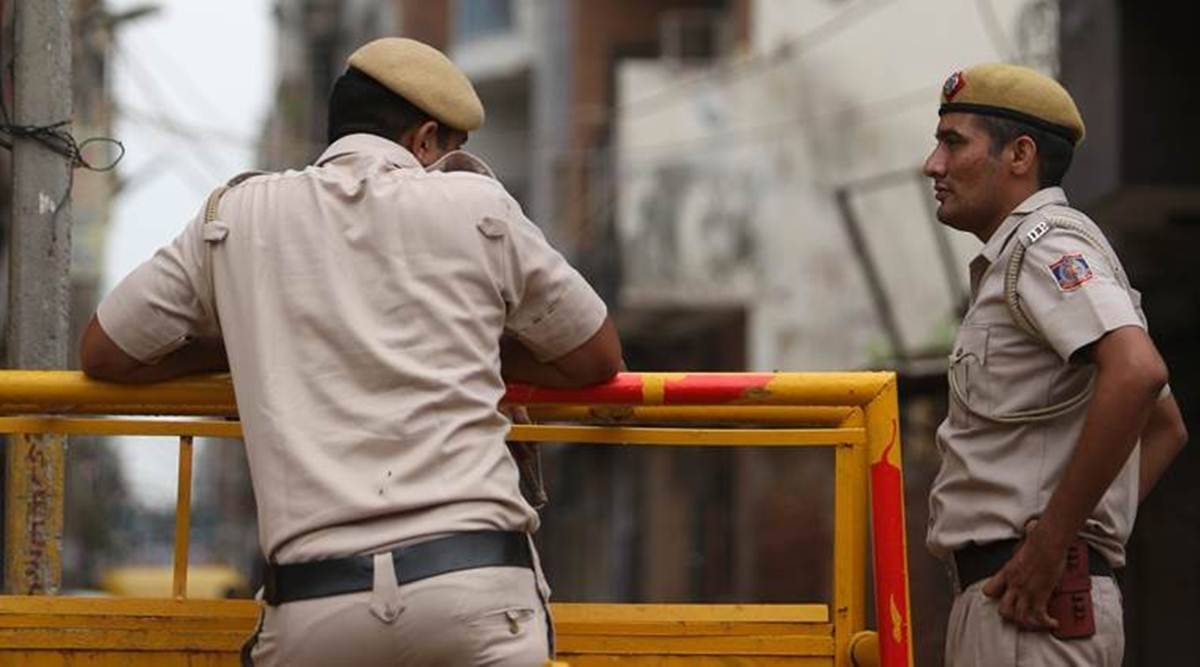
A Delhi Police head constable was fatally struck by a speeding car in a hit-and-run incident at the Singhu border on Wednesday evening.
Tragedy at the Singhu Border: Analysis of the Fatal Hit-and-Run
In a distressing incident that highlights the precarious nature of road duty for law enforcement, a head constable of the Delhi Police was killed on Wednesday evening. The officer was struck by a speeding vehicle at the Singhu border, a critical transit point between Delhi and Haryana. The driver of the vehicle failed to stop, fleeing the scene and leaving the officer with fatal injuries. This event underscores the persistent danger faced by personnel tasked with maintaining order and traffic flow in one of the world's most congested urban corridors.
The Strategic Vulnerability of the Singhu Border
The Singhu border is not merely a geographical boundary but a high-pressure transit zone that handles a massive volume of commercial and private traffic daily. Because this area serves as a primary artery for goods entering the capital, the road is often plagued by heavy-duty trucks and speeding commuters. The environment is inherently hazardous for police officers who must stand in the line of traffic to manage checkpoints and security. The fact that a head constable—an experienced officer—was unable to avoid a speeding vehicle speaks to the volatility of the traffic conditions at this specific junction.
The Peril of Road Duty for Law Enforcement
This incident brings into focus the systemic risks associated with traffic and border management. Police officers often operate in 'blind spots' or high-velocity zones where driver negligence can lead to catastrophic outcomes. In the context of Delhi's urban sprawl, the lack of physical barriers or advanced signaling for officers on duty often leaves them vulnerable to 'hit-and-run' scenarios. This tragedy serves as a grim reminder that those tasked with enforcing the law are frequently the most exposed to the lawlessness of speeding motorists.
Analyzing the Hit-and-Run Phenomenon in Urban India
Hit-and-run accidents are a recurring crisis in Indian metropolitan areas, often fueled by a combination of reckless driving and the driver's fear of immediate legal repercussions or medical emergencies of the victim. The act of fleeing the scene, as seen in this case, significantly hinders the 'golden hour' for medical intervention, which could have potentially saved the head constable's life. From a legal perspective, such incidents trigger intense police investigations involving CCTV footage analysis and forensic tracking, but the anonymity provided by heavy traffic often complicates the apprehension of the culprit.
Legal Implications and Investigative Trajectory
Following this event, the Delhi Police are expected to deploy an extensive network of surveillance cameras along the Singhu border and adjacent highways to identify the vehicle. Under current Indian law, hit-and-run cases involving death carry severe penalties, particularly when the victim is a public servant on duty. The investigation will likely focus on the speed of the vehicle and whether there was any intent or gross negligence involved. This case will likely put pressure on the administration to review safety protocols for officers stationed at border points.
Conclusion and Future Outlook
The loss of a head constable at the Singhu border is a sobering event that reflects the intersection of urban chaos and occupational hazard. To prevent such tragedies, there is an urgent need for the implementation of better safety infrastructure, such as reflective barriers and automated traffic calming measures at border crossings. Ultimately, while the police continue their search for the perpetrator, this incident serves as a call for stricter adherence to speed limits and a more profound respect for the safety of those serving on the front lines of urban security.