Vulnerable parents, couples seeking male child targeted: Delhi police on interstate racket probe
Source Entity
Sakshi Chand
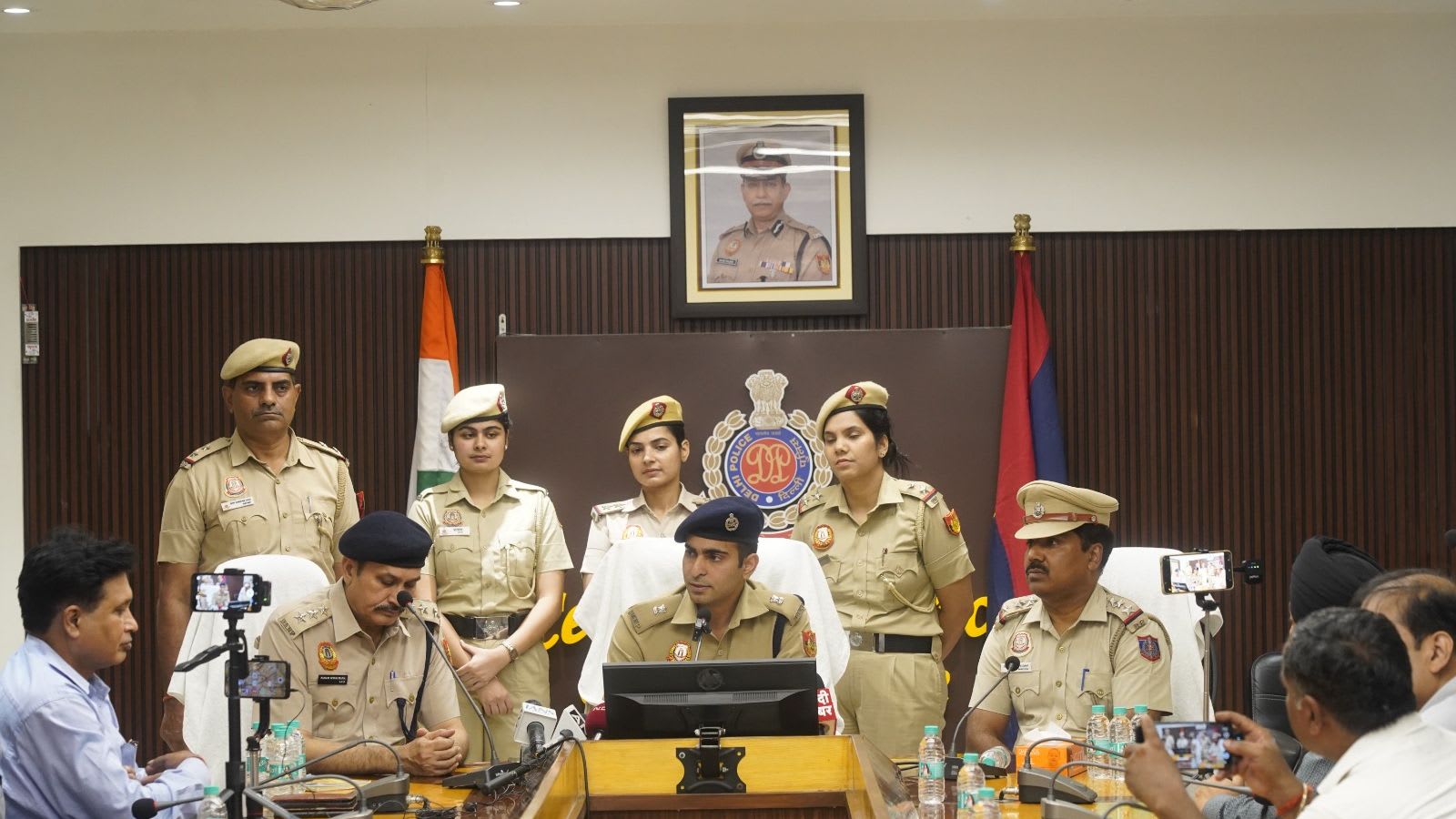
A retired teacher from Mathura in Uttar Pradesh who allegedly bought a newborn, a community health worker accused of mediating the sale of children, among other mediators, and biological parents — the...
Uncovering the Shadows: The Anatomy of an Interstate Child Trafficking Racket
The recent investigation by the Delhi Police has exposed a disturbing interstate child trafficking network that operates at the intersection of extreme poverty and deep-seated societal prejudices. By targeting vulnerable biological parents and couples desperate for male heirs, this racket demonstrates a calculated exploitation of human desperation. The arrest of a retired teacher from Mathura and the involvement of a community health worker highlight a systemic failure where individuals in positions of trust—both educational and medical—become conduits for criminal activity. This case is not merely a series of isolated transactions but a symptom of a larger, organized crime structure spanning state borders, specifically between Delhi and Uttar Pradesh.
The Role of Mediators and Institutional Breach
One of the most alarming aspects of this probe is the alleged involvement of a community health worker. In the rural and semi-urban landscapes of India, community health workers are the primary link between the state's healthcare system and expectant mothers. When these intermediaries pivot from providing care to facilitating the sale of newborns, it creates a catastrophic breach of trust. These mediators possess the unique ability to identify "vulnerable" parents—those struggling with extreme financial instability or social marginalization—and convince them to surrender their children for a sum of money. This institutional betrayal ensures a steady supply of infants for the racket, making the operation highly efficient and difficult to detect through standard surveillance.
The Dark Driver: Son Preference and Gender Bias
At the heart of the demand side of this racket is the persistent and harmful preference for male children. Despite legal prohibitions against sex-selective abortion and gender-based discrimination, the cultural desire for a male heir to carry on the family name or provide old-age security continues to drive an illegal market. The fact that this racket specifically targeted couples seeking male children underscores how gender bias fuels human trafficking. This demand creates a lucrative niche for traffickers, who can charge premium prices to couples who are unable or unwilling to follow legal adoption procedures, thereby commodifying children based on their gender.
Socio-Economic Vulnerability and Exploitation
On the supply side, the racket preys on the most marginalized segments of society. Biological parents who feel they cannot provide for their children are often coerced or manipulated into these sales. The financial incentive offered by mediators is typically a fraction of what the "buyers" pay, with the bulk of the profit being absorbed by the middlemen. This cycle of exploitation traps poor families in a state of permanent loss, while the traffickers profit from the desperation of the impoverished. The interstate nature of the crime further complicates the victims' ability to seek justice, as they are often moved across state lines to obscure the trail of the transaction.
Legal Challenges and Interstate Coordination
From a law enforcement perspective, this case highlights the complexities of prosecuting interstate crimes under the Juvenile Justice (Care and Protection of Children) Act and other anti-trafficking laws. Coordinating between the Delhi Police and authorities in Uttar Pradesh requires seamless communication and shared intelligence to dismantle the entire chain of command rather than just arresting the end-buyers. The involvement of a retired professional, such as a teacher, also suggests that these rackets are not limited to the fringes of society but penetrate the middle and upper-middle classes, who may believe their social standing shields them from legal repercussions.
Future Outlook and Systemic Remedies
Moving forward, this case suggests that law enforcement must shift toward a more proactive, intelligence-led approach to dismantle trafficking cells. There is an urgent need for stricter monitoring of community health networks and the implementation of digital tracking for newborn registrations to prevent "disappearances" at birth. Furthermore, unless the root cause—the societal preference for male children—is addressed through aggressive social awareness campaigns and gender-equality initiatives, the demand for such rackets will persist. The long-term solution lies in a combination of stringent legal enforcement, socio-economic support for vulnerable mothers, and a fundamental cultural shift in how gender is valued in the family structure.
Summary: The Delhi Police probe reveals a predatory interstate network utilizing health workers to sell newborns to couples desiring male children, highlighting a dangerous synergy between systemic poverty and gender prejudice.