From odd-even to cloud seeding: Why Delhi's pollution battle remains unfinished
Source Entity
PRIYANKA JAISWAL
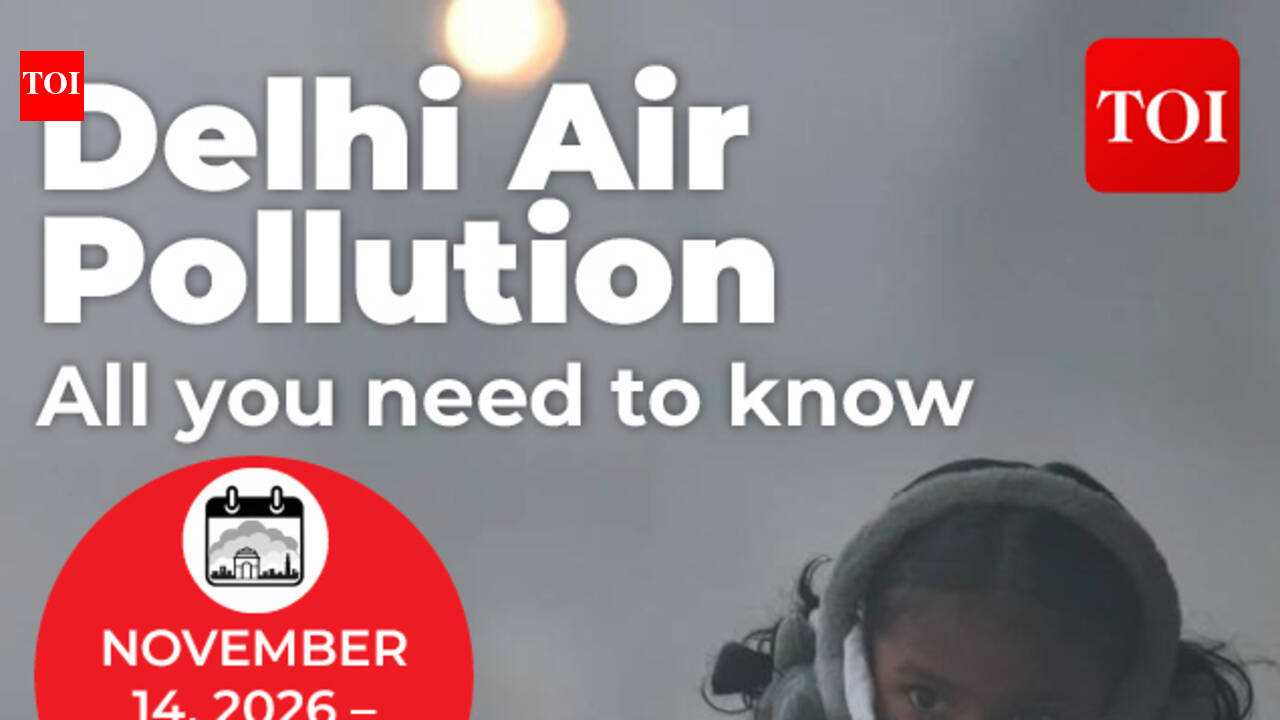
Delhi continues to face an ongoing health emergency due to chronic air pollution. Despite various strategic shifts and seasonal interventions, the city struggles to achieve long-term emission reductions.
The Unending Crisis: Analyzing Delhi's Pollution Struggle
Delhi currently finds itself in the grip of a persistent health emergency, as the national capital continues to battle toxic air quality that threatens the well-being of millions. The cycle of pollution has become a defining feature of the city's winter, raising urgent questions about the efficacy of current policy frameworks and the long-term viability of existing environmental interventions.
Strategic Shifts: AAP vs. BJP Perspectives
A central point of contention in the fight against pollution is the evolving strategy between political factions. Whether under the governance of the Aam Aadmi Party (AAP) or the Bharatiya Janata Party (BJP), the narrative has largely shifted between reactive measures. While both sides have introduced various rules and regulations, the lack of a unified, long-term policy roadmap has left residents vulnerable to the annual recurrence of hazardous smog levels.
The Failure of Seasonal Firefighting
The current approach to Delhi’s air quality crisis is heavily characterized by what can best be described as 'seasonal firefighting.' Interventions like odd-even vehicle rationing and experimental cloud seeding are often deployed as stop-gap measures when the air quality index reaches critical levels. However, these visible, short-term tactics fail to address the root causes of industrial and vehicular emissions, leading to a repetitive cycle that offers no lasting relief to the populace.
Health Implications and Public Impact
Prolonged exposure to toxic air is not merely an inconvenience; it is a severe public health crisis. The accumulation of particulate matter in the atmosphere has profound implications for respiratory and cardiovascular health across all demographics in the city. The persistence of these conditions suggests that current policy efforts have not yet reached the threshold required to protect public health effectively.
Moving Beyond Temporary Interventions
To break the cycle of choking winters, the strategy must pivot from reactive, optics-driven interventions to structural, systemic reforms. This requires a shift toward measurable, year-round emission reductions rather than relying on emergency protocols triggered only when the crisis becomes visible. Without such a transition, the capital remains trapped in a loop of toxic air that undermines economic productivity and quality of life.
Conclusion: The Path Forward
Ultimately, Delhi’s pollution battle remains unfinished because it lacks a coherent, durable execution plan that transcends political boundaries. Until authorities prioritize long-term, science-backed emission controls over seasonal restrictions, the city will continue to face the same environmental challenges. The transition from reactive measures to sustainable governance is the only viable path to clearing the skies over the national capital.