1,482 ghats being readied across city: Delhi to get 11-km Chhath ghat along Munak Canal
Source Entity
The Indian Express
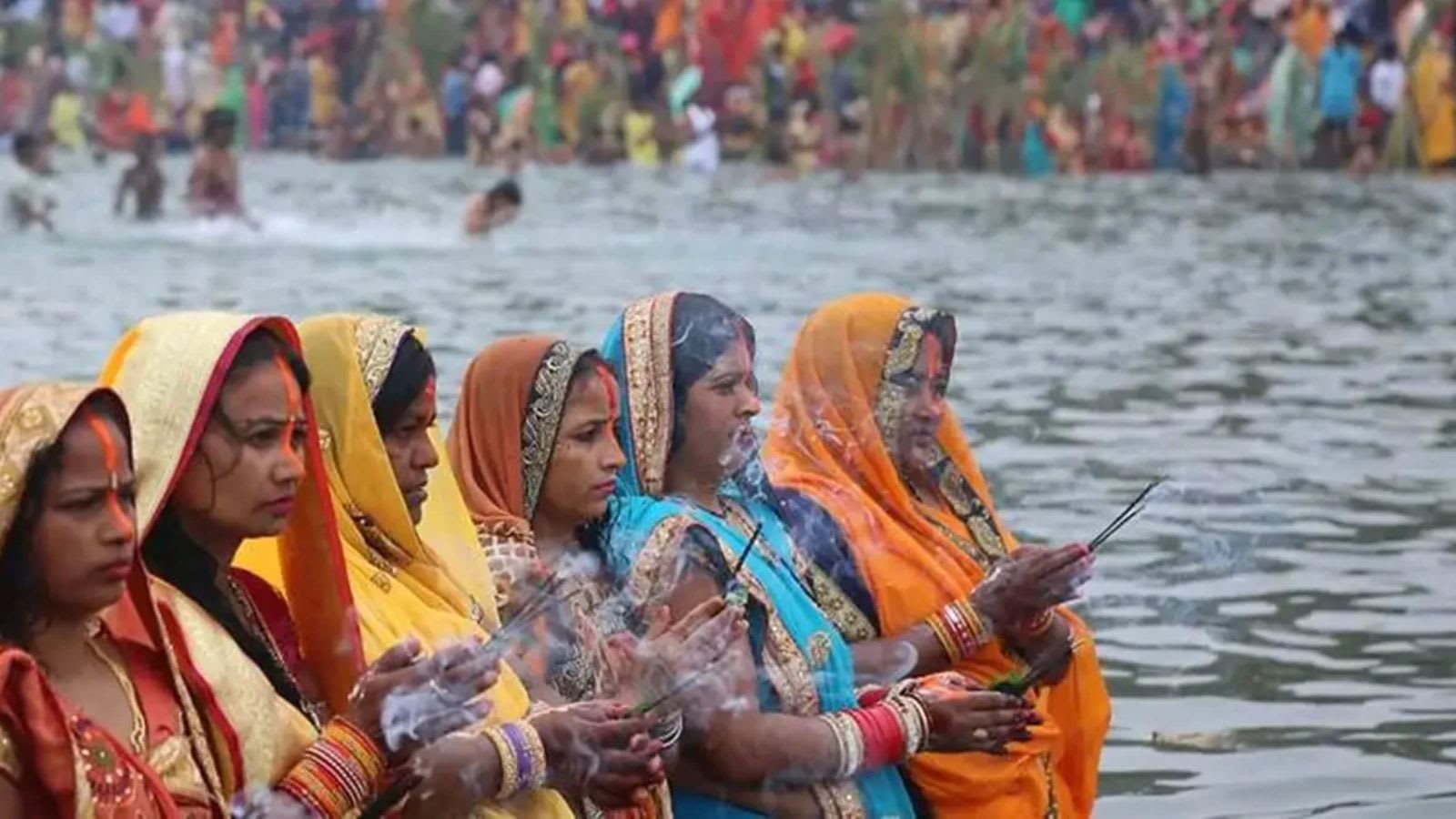
Delhi is preparing 1,482 Chhath ghats, including a newly developed 11-km stretch along the Munak Canal. The project, led by the I&FC department, aims to revitalize neglected urban spaces for religious observance.
Delhi Expands Infrastructure for Chhath Puja Observance
As Delhi prepares for the upcoming Chhath festival, which commences on November 13, the local government has undertaken a massive logistical operation to accommodate the city’s large population of devotees. With 1,482 ghats spread across 996 locations, the scale of the preparations reflects the growing cultural and religious significance of the festival within the national capital. This year’s efforts are highlighted by the development of an 11-km-long ghat along the Munak Canal, a project intended to centralize and formalize the worship experience for thousands of residents.
The Munak Canal Transformation
The most significant aspect of this infrastructure push is the rehabilitation of the Munak Canal corridor. For nearly two decades, this stretch had remained neglected, often serving as a site for waste accumulation rather than public utility. By removing approximately 1,400 truckloads of debris and waste, the Irrigation and Flood Control (I&FC) department has successfully reclaimed a substantial urban space. This transformation is not merely aesthetic; it represents a strategic shift toward utilizing water-adjacent land for public religious and recreational purposes.
Strategic Development and Inauguration
The formal inauguration of the Munak Canal ghat by BJP national president Nitin Nabin underscores the political and social importance of Chhath Puja in Delhi. By providing permanent steps, paved pathways, and essential amenities like changing rooms, the government is moving away from temporary, makeshift arrangements toward sustainable public infrastructure. This long-term planning suggests that the city is attempting to mitigate the annual logistical challenges that arise when millions of people congregate near water bodies simultaneously.
Broader Urban Implications
Beyond the immediate religious context, the project serves as a model for urban renewal. The removal of decades of refuse and the installation of permanent infrastructure can improve sanitation and local environmental health. By integrating these religious sites into the city's permanent landscape, the administration is effectively managing the environmental impact of mass gatherings, which often cause water pollution if not properly facilitated with appropriate waste management and access control.
Future Trends in Religious Infrastructure
Looking forward, the success of the Munak Canal project may set a precedent for how the Delhi government handles large-scale religious festivals. As urbanization continues, the pressure on public spaces increases. Moving forward, we can expect a trend toward 'permanent religious infrastructure,' where authorities design multi-purpose public spaces that function as recreational areas during the year and formal religious venues during key festivals. This approach balances the preservation of cultural traditions with the realities of modern urban management.