Jantar Mantar permission denied due to CJP protest violence on July 20: Delhi Police to SC
Source Entity
DHANANJAY MAHAPATRA
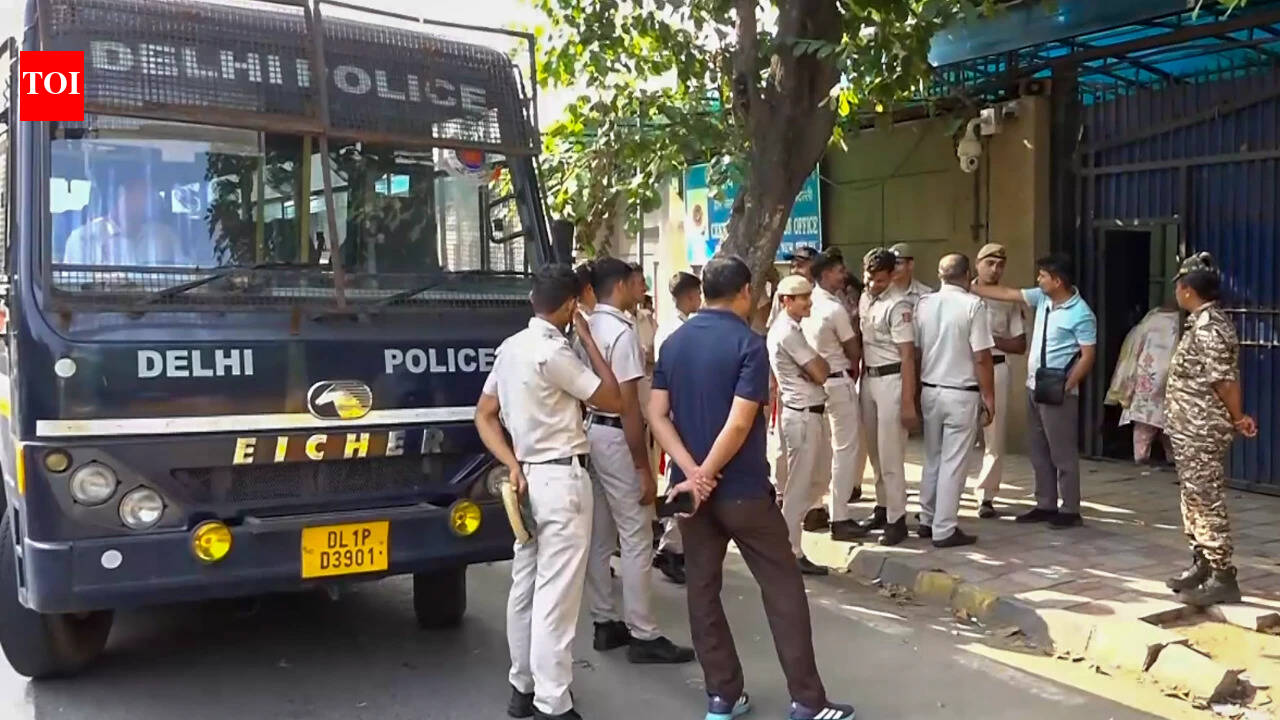
The detention of protesters in Delhi following demonstrations against the Chief Election Commissioner has sparked a legal debate on preventive detention and Section 163 of the BNSS. Authorities maintain these measures were necessary for public order, while critics argue the lack of transparency in issuing prohibitory orders violates constitutional rights.
The Controversy of Preventive Detention in Delhi
The recent detentions of protesters in Delhi on October 10 have ignited a critical national conversation regarding the scope of state power, the sanctity of constitutional rights, and the application of preventive detention. As citizens gathered to demand the resignation of Chief Election Commissioner (CEC) Gyanesh Kumar over alleged electoral irregularities, the subsequent police response—involving the removal of demonstrators—has brought the legal framework of Section 163 of the Bharatiya Nagarik Suraksha Sanhita (BNSS) under intense judicial and public scrutiny.
Legal Framework and State Power
At the heart of the debate is the mechanism of preventive detention, a power exercised by the state to preemptively restrict an individual's liberty to prevent harm to public tranquility or safety. Under Section 163 of the BNSS, an Executive Magistrate is empowered to issue orders when immediate action is deemed necessary. However, the application of this provision in the context of the recent protests has been challenged, particularly regarding the transparency of these orders. Petitioners in the Supreme Court have alleged that the Delhi Police failed to make these prohibitory orders publicly available, effectively preventing citizens from knowing the extent of the restrictions they were purportedly violating.
The Transparency Gap
While the Delhi Police maintains that they utilized hoardings and public announcements to notify residents of the curbs, the absence of these orders on official digital platforms has raised significant concerns. The law mandates that such restrictions should be accessible to the public to ensure accountability. The failure to publish these mandates not only complicates the defense of those detained but also invites questions about whether the state is adhering to the spirit of the Constitution, which requires that restrictions on fundamental rights be clearly defined and communicated.
Constitutional Protections vs. Public Order
Article 22 of the Constitution provides specific safeguards against arbitrary detention, serving as a check on the executive branch. The Supreme Court has historically balanced these protections against the state's duty to maintain law and order. In the current instance, Delhi Police Commissioner Anurag Kumar has defended the actions as essential, citing intelligence inputs and the need to secure sensitive areas of New Delhi. The police claim that the measures were temporary, with detainees being held for only two to six hours in makeshift facilities rather than jails, and provided with basic amenities.
Analyzing the Claims of Humane Treatment
In their submission to the Supreme Court, the police highlighted that detainees, including political leaders, were treated with care, receiving meals and refreshments while being held. By framing these actions as “preventive measures” rather than punitive ones, the state seeks to justify the temporary curtailment of mobility. Nevertheless, the legal community continues to analyze whether the “necessity” cited by the police justifies the restriction of the right to peaceful protest, a cornerstone of democratic expression.
Future Implications and Judicial Oversight
As the Supreme Court reviews the petitions, the outcome will likely set a significant precedent for how the BNSS is applied during future political demonstrations. The judiciary’s stance on the availability of Section 163 orders and the threshold for “preventive detention” will be pivotal. If the court rules that the state must ensure full digital transparency for all prohibitory orders, it could fundamentally alter how law enforcement manages large-scale public dissent, ensuring that the balance between national security and individual liberty remains firmly anchored in constitutional mandates.
Multiple Citing Sources