Delhi: A place of refuge through three neighbourhoods
Source Entity
Latest News: Todays Latest News Headlines from India & World | Hindustan Times | Hindustan Times
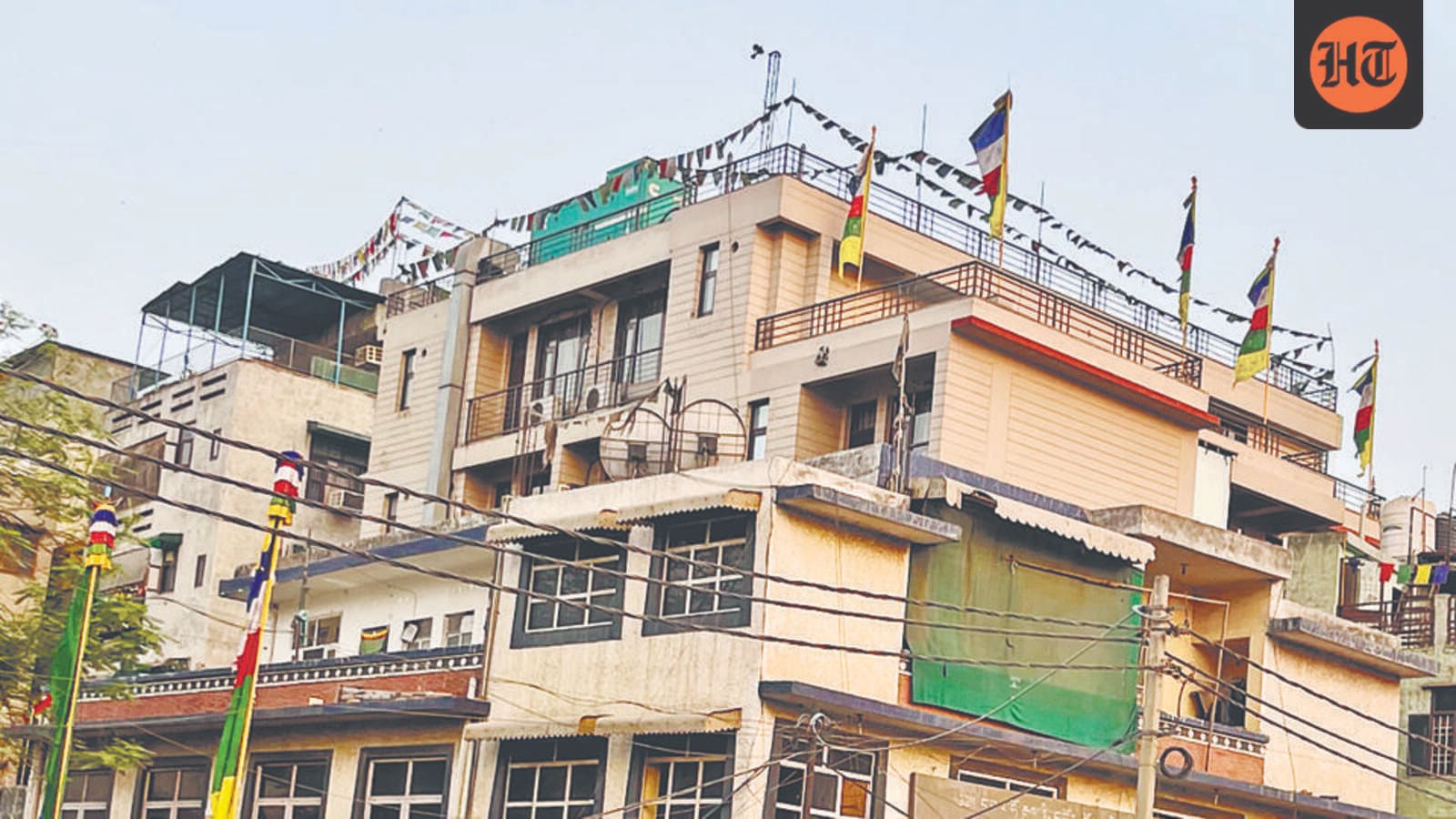
Delhi serves as a sanctuary for displaced communities, specifically through the cultural integration of Majnu ka Tilla, Chittaranjan Park, and Lajpat Nagar. These neighborhoods demonstrate a unique architecture of care where exiles have transformed into essential, inseparable parts of the city's fabric.
Delhi: A Sanctuary of Cultural Integration
Delhi has long served as a profound nexus for migration and resettlement, functioning as a landscape of refuge for diverse communities. The neighborhoods of Majnu ka Tilla, Chittaranjan Park, and Lajpat Nagar stand as testament to this, acting as 'islands of culture' that have fostered a unique form of cosmopolitanism. Unlike many urban centers in the Global South where displacement often leads to the stagnation of ghettos or the degradation of slums, Delhi has managed to integrate these populations into the city's broader socio-economic structure.
The Architecture of Care
The resilience of these communities is rooted in what can be described as an 'architecture of care.' This model is characterized by the state's willingness to allot land or permit long-term settlements, providing the necessary stability for displaced groups to plant roots. By allowing these populations to trade, marry, and build permanent residences, Delhi has successfully avoided the hardening of displacement into permanent poverty traps. This approach has allowed the Tibetan, Bengali, and Afghan communities to contribute to the city's identity.
Majnu ka Tilla: A Tibetan Enclave
Majnu ka Tilla, specifically the New Aruna Nagar settlement, represents a cornerstone of the Tibetan diaspora in India. Established in the mid-20th century, it has evolved from a temporary refuge into a vibrant hub of Tibetan culture, food, and commerce. Its existence highlights the city's capacity to host communities in exile, allowing them to maintain their heritage while participating in the local economy.
Chittaranjan Park and the Bengali Influence
Chittaranjan Park serves as a significant cultural center for the Bengali community in Delhi. Much like the other neighborhoods mentioned, it is not merely a place of residence but a space where cultural practices are preserved and shared. The integration of this community into the local fabric reflects the broader trend of Delhi acting as a melting pot where regional identities are not erased but celebrated as part of a larger urban mosaic.
Lajpat Nagar and the Afghan Connection
Lajpat Nagar represents the multifaceted nature of Delhi’s migration history, specifically providing a home for Afghan refugees. This area highlights the fluidity of urban space in Delhi, where the influx of new populations has consistently reshaped the city’s demographics and commercial character. The neighborhood's evolution underscores the transformative power of migration when afforded the space to grow and integrate.
Conclusion: A Legacy of Inclusion
Ultimately, these three neighborhoods represent the successful assimilation of displaced groups into the capital’s identity. The fact that these communities are now inseparable from Delhi is a testament to the city's historical role as a refuge. By providing the structural support for these groups to build lives, Delhi has enriched its own cultural diversity, demonstrating a model of urban development that values human agency and social cohesion over marginalization.
Verification Required?