Iran appoints former IRGC chief as top security official amid Hormuz reopening talks
Source Entity
VIJAYA SRIVASTAVA
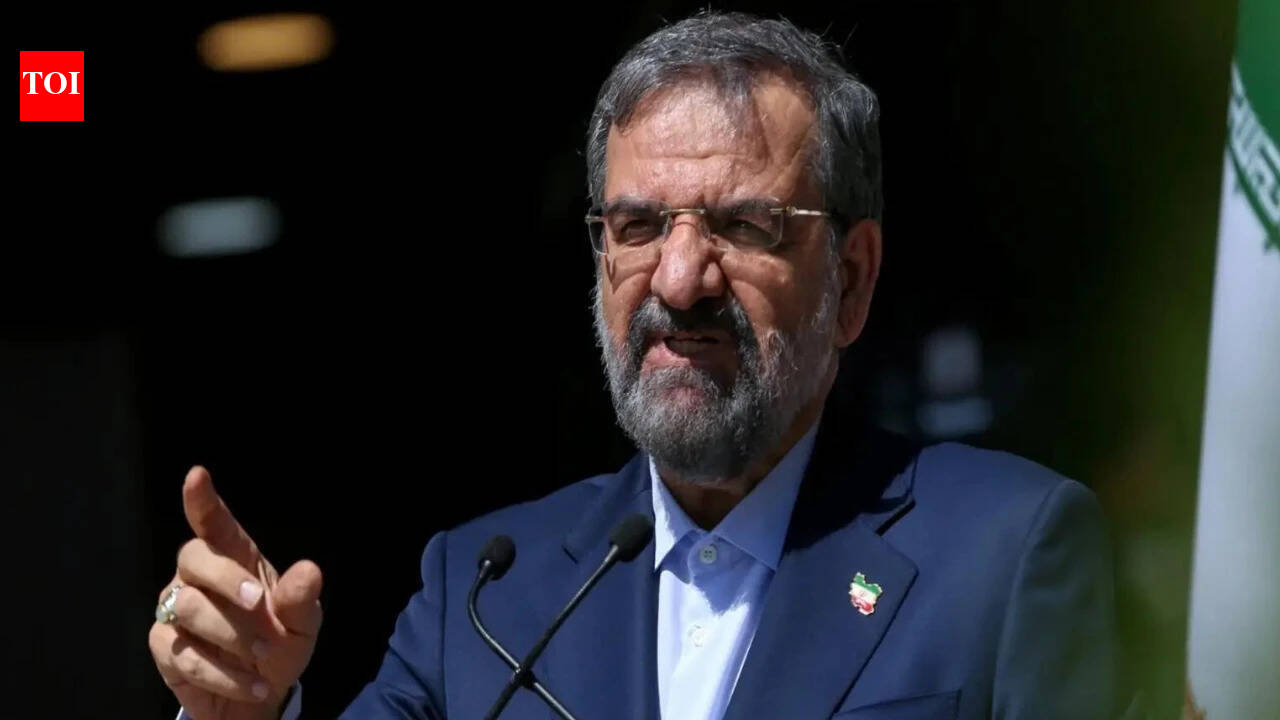
Iran has appointed former IRGC commander Mohsen Rezaei to lead its Supreme National Security Council following the resignation of Mohammad Bagher Zolghadr. This leadership shift coincides with critical ongoing international discussions regarding the status and reopening of the Strait of Hormuz.
Strategic Leadership Shift in Tehran
Iran has officially announced a significant transition within its national security apparatus, with President Masoud Pezeshkian appointing former Revolutionary Guard (IRGC) commander Mohsen Rezaei as the head of the Supreme National Security Council. This appointment follows the resignation of Mohammad Bagher Zolghadr, who has transitioned into a role as a political advisor to Mojtaba Khamenei. The move signals a potential consolidation of hardline influence within the upper echelons of the Iranian state, reflecting the regime's ongoing internal recalibration.
The Security Implications of Mohsen Rezaei
Mohsen Rezaei brings a profound background in military and security strategy to his new role, given his extensive tenure as a former Revolutionary Guard commander. His history is deeply intertwined with Iran’s hardline security establishment, which suggests that the country may be adopting a more assertive posture in its regional diplomacy. As the head of the council, Rezaei will be tasked with navigating the delicate balance between internal security demands and the pressures of international engagement.
The Strait of Hormuz: A Global Chokepoint
The timing of this leadership change is particularly critical given the ongoing discussions regarding the reopening of the Strait of Hormuz. As one of the world’s most vital maritime chokepoints for oil transit, the Strait is a focal point for global economic stability. Rezaei has already underscored the strategic importance of this waterway, suggesting that Iran intends to maintain significant leverage in any negotiations involving maritime access and regional security protocols.
Contextualizing the Regional Security Landscape
This administrative change does not occur in a vacuum; it follows a period of significant adjustment within the Iranian security establishment, partly attributed to the loss of senior officials during recent regional conflicts. The transition from Zolghadr to Rezaei represents an attempt by the Pezeshkian administration to stabilize its security architecture while simultaneously addressing the external pressures surrounding the Strait of Hormuz. The appointment of Zolghadr as a political advisor to Mojtaba further highlights the intricate nature of Iranian political appointments and the continuity of power dynamics.
Future Trends and Diplomatic Outlook
Looking ahead, the international community will be closely watching how Rezaei’s leadership influences Tehran’s stance on the Strait of Hormuz. Given his background, it is likely that Iran will prioritize national sovereignty and security interests over concessions in maritime negotiations. The effectiveness of this new security leadership will be tested by the ability to manage both domestic political expectations and the complex, high-stakes diplomacy required to maintain stability in the Persian Gulf.