Delhi school cancels JNU professor's talk on pluralism at Independence Day event
Source Entity
SUGANDHA JHA
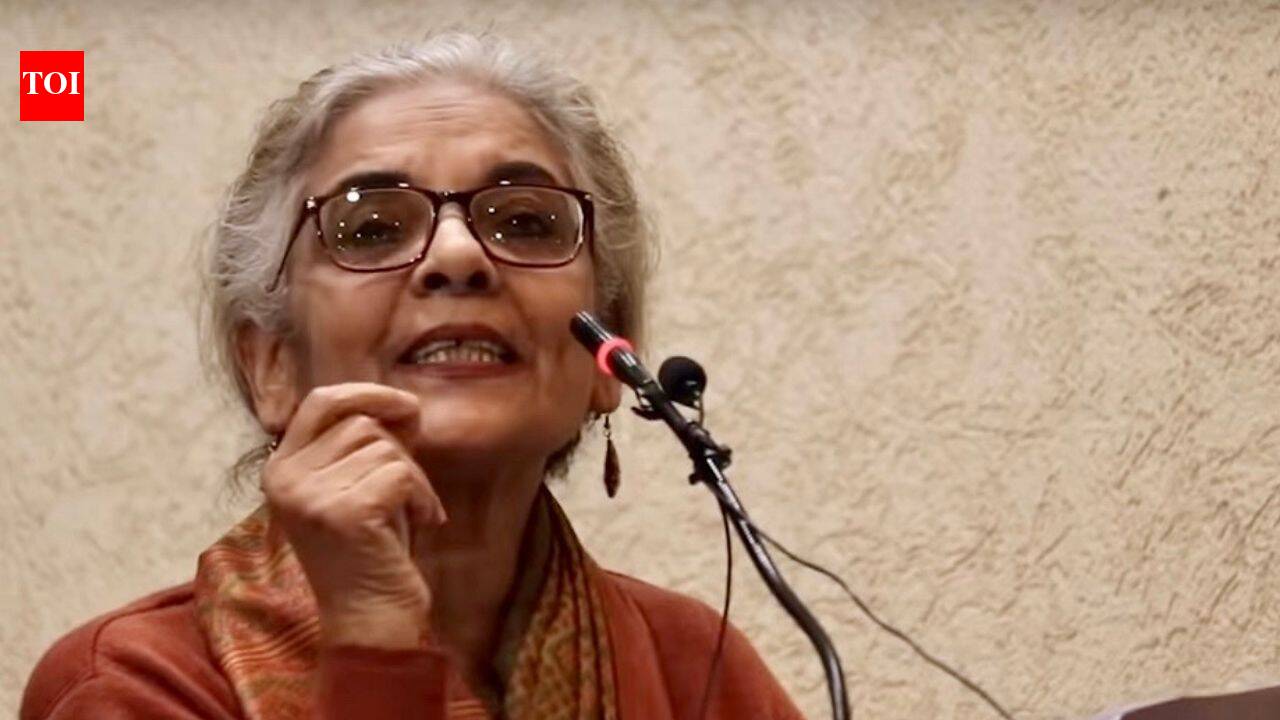
Sardar Patel Vidyalaya cancelled an Independence Day address by JNU professor Zoya Hasan citing security threats following protests by VHP members. The incident highlights rising tensions surrounding academic discourse on pluralism in educational institutions.
The Cancellation of Academic Discourse at Sardar Patel Vidyalaya
Recent events at New Delhi’s Sardar Patel Vidyalaya have underscored the growing volatility surrounding academic discourse in India. Jawaharlal Nehru University (JNU) professor emerita Zoya Hasan, who had been invited by the school administration to serve as the chief guest for their Independence Day celebrations, found her scheduled address on the topic of "Why pluralism matters" abruptly cancelled. The decision was communicated to her by school security personnel just hours before the event, with officials citing an unspecified "threat" to both the students and the professor herself.
The Role of External Pressure
The cancellation was precipitated by the arrival of protesters at the school gates, identified by parents and observers as members of the Vishwa Hindu Parishad (VHP). While the VHP has officially denied direct involvement in the specific act of cancellation, they have publicly expressed approval of the decision. This dynamic illustrates a recurring trend where external ideological groups exert influence over school administrative decisions, effectively creating a climate of apprehension that necessitates the withdrawal of controversial or sensitive programming to ensure campus safety.
Implications for Educational Autonomy
This incident raises critical questions regarding the autonomy of educational institutions to host intellectual discussions. Sardar Patel Vidyalaya, a prominent institution, found itself in a position where the potential for public disorder outweighed the pedagogical value of the scheduled speech. When academic freedom is curtailed by the threat of mob action, it creates a chilling effect on schools, potentially leading to self-censorship where administrators avoid inviting guest speakers whose expertise might be perceived as politically contentious.
The Discourse on Pluralism
At the heart of this controversy is the topic itself: pluralism. In a country defined by its vast cultural, religious, and social diversity, the concept of pluralism remains a cornerstone of democratic discourse. The fact that an address focusing on this topic was deemed a security risk is indicative of a broader polarization in the national narrative. The cancellation suggests that even foundational discussions regarding the nature of Indian society have become flashpoints for ideological friction.
Future Trends in Academic Safety
Looking forward, this event may set a precedent for how schools manage high-profile guest invitations. We are likely to see an increase in pre-emptive vetting processes and a decline in invitations extended to academics associated with institutions that are frequently at the center of political debates. As schools prioritize security protocols to mitigate the risk of protests, the scope for open, diverse, and challenging academic conversations within K-12 settings may continue to narrow.
Conclusion
The cancellation of Professor Zoya Hasan’s address serves as a stark reminder of the fragile intersection between public protest and academic freedom. By prioritizing the immediate safety of the school community over the scheduled discussion on pluralism, the administration highlighted the difficult reality of maintaining neutral spaces for debate in an increasingly charged political environment. The event remains a significant case study in how pressure from external groups can shift the boundaries of permissible speech within the Indian educational landscape.