Bengal joins ‘Beti Bachao, Beti Padhao’; Rs 2k aid for schoolgirls from 2027
Source Entity
Atri Mitra
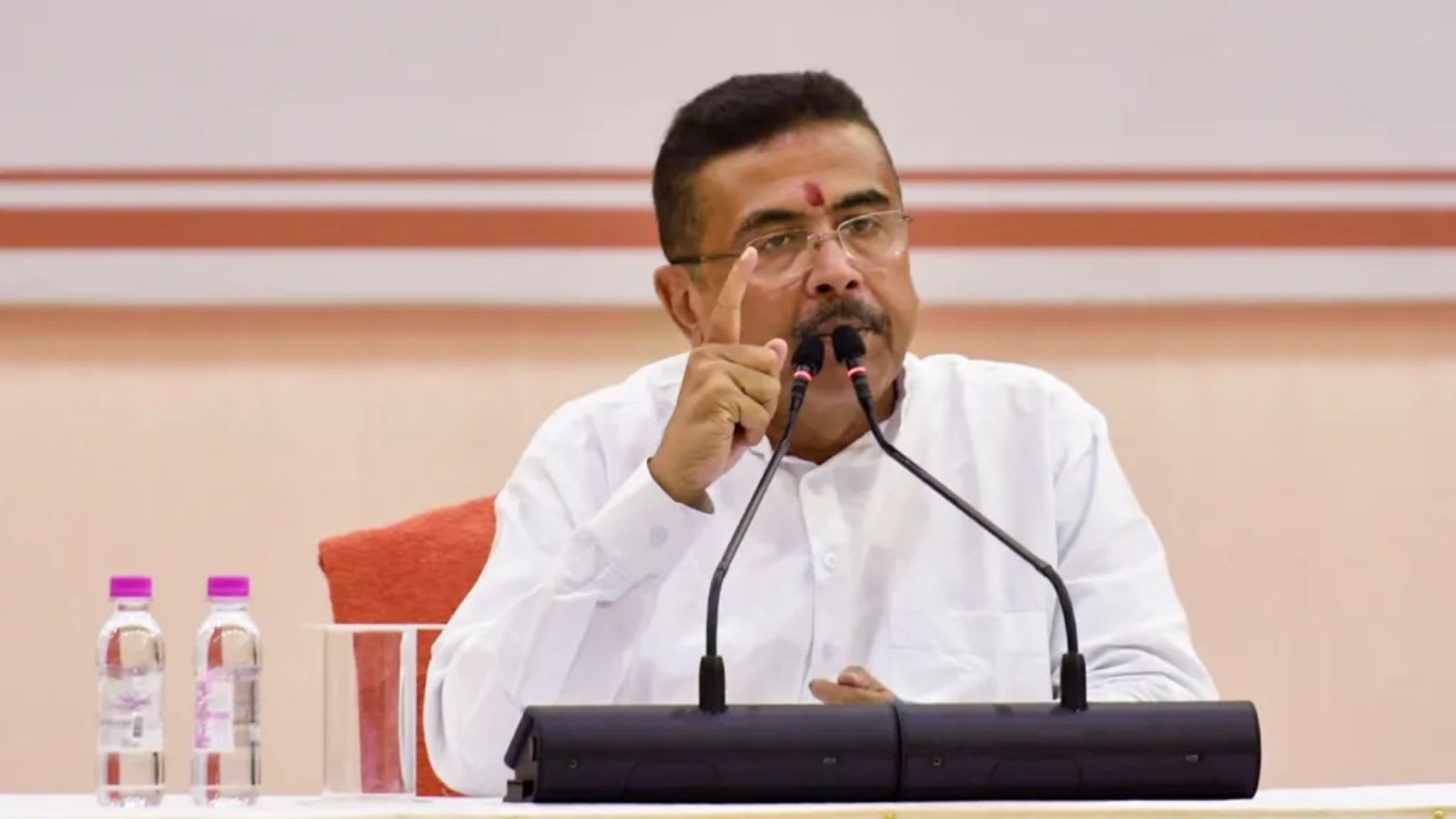
The new BJP government in West Bengal, led by Chief Minister Suvendu Adhikari, is pushing for industrial growth through talks with the Tata Group and a new state industrial policy. Simultaneously, the government is focusing on social welfare by implementing the 'Beti Bachao, Beti Padhao' scheme and doubling scholarships for schoolgirls.
A New Industrial Era for West Bengal
The political landscape of West Bengal has undergone a significant transformation with the transition from fifteen years of Trinamool Congress (TMC) rule to the current BJP administration led by Chief Minister Suvendu Adhikari. Four months into its tenure, the new government is aggressively pursuing an economic pivot, aiming to shed the state's historical reputation for industrial stagnation. A central component of this strategy involves high-stakes negotiations with the Tata Group, signaling an intent to reverse the industrial exodus that occurred nearly two decades ago.
Industrial Policy and Economic Reform
The administration’s proposed Rs 28,000 crore investment plan serves as the cornerstone of its "investor-friendly" agenda. By drafting a new industrial policy, the government aims to create a robust framework designed to attract large-scale capital. The primary objective is to reverse the trend of labor migration, where the state’s youth have historically traveled to other regions in search of employment. By fostering a climate conducive to manufacturing and corporate investment, the government hopes to revitalize the local economy and provide sustainable livelihoods for its citizens.
Legislative Overhaul and Governance
Beyond economic initiatives, the Adhikari government is implementing sweeping administrative changes. These include new legislation aimed at facilitating preventive detentions and the formal approval of the Uniform Civil Code (UCC). These moves suggest a firm governance style intended to overhaul the existing regulatory environment. Proponents argue these measures are necessary for maintaining order and streamlining the implementation of state policies, though they represent a significant departure from the previous administration's legislative priorities.
Prioritizing Social Welfare and Education
Simultaneous to its industrial push, the government has launched a concerted effort to enhance social welfare, specifically targeting female empowerment. The introduction of the central ‘Beti Bachao, Beti Padhao’ scheme in West Bengal marks a shift in the state's approach to gender-based development. By rebranding ‘Kanyashree Day’ to ‘Kanya Ratna Day’ and doubling annual scholarships for schoolgirls from Rs 1,000 to Rs 2,000, the administration is making a clear commitment to educational retention and economic security for young women.
Long-term Implications and Future Outlook
The success of the current administration will likely be measured by its ability to balance these ambitious industrial goals with social welfare commitments. The effort to bring the Tata Group back is symbolic of a larger desire to restore West Bengal as an industrial powerhouse. If the government can successfully integrate its new legislative framework with actual job creation, it may fundamentally alter the socioeconomic trajectory of the state. However, the effectiveness of these policies will depend heavily on the actual realization of the proposed Rs 28,000 crore investment and the sustained implementation of its social outreach programs.
Multiple Citing Sources