Metro, Rail Curbs, 20,000 Personnel: Delhi Gears Up For CJP's Jantar Mantar 2.0
Source Entity
NDTV News Search Records Found 1000
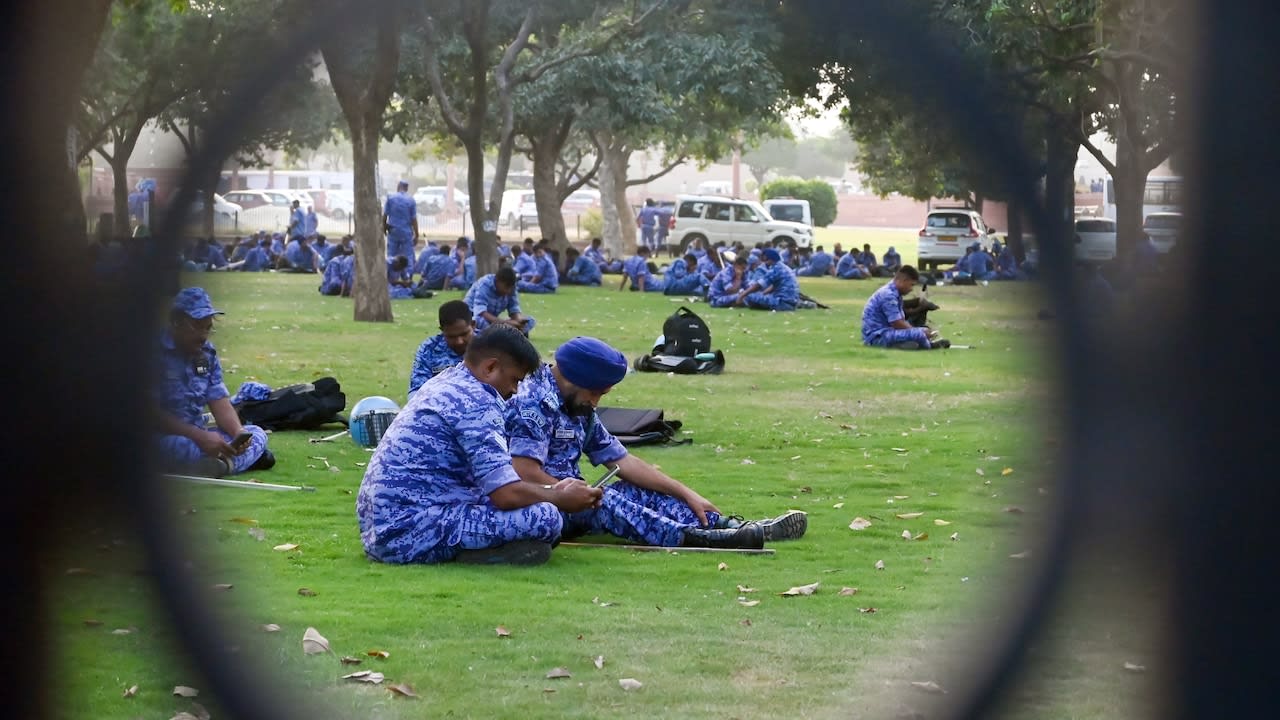
Delhi is under high-security restrictions, including metro closures and business shutdowns, in anticipation of a protest at Jantar Mantar. Authorities have implemented strict measures, such as hotel guest screening and internet curbs, to manage the demonstration against the Chief Election Commissioner.
Delhi Implements Massive Security Lockdown Ahead of Jantar Mantar Protest
Delhi is currently bracing for significant disruptions as authorities enforce stringent security measures in response to the planned 'Jantar Mantar 2.0' protest. The demonstration, directed against Chief Election Commissioner Gyanesh Kumar, has prompted a city-wide mobilization of 20,000 personnel. This massive security deployment highlights the state's intent to maintain absolute control over public movement and prevent the escalation of civil unrest in the national capital.
Infrastructure and Communication Curbs
The impact on public infrastructure is unprecedented, with at least 57 Delhi Metro stations facing entry restrictions. Beyond the metro, operational curbs have been extended to Namo Bharat trains and mobile internet services, effectively creating digital and physical silos across the city. Interactive mapping of these closures illustrates the scale of the disruption, intended to discourage the convergence of protesters at the Jantar Mantar site.
Economic and Administrative Paralysis
The economic heart of the city, Connaught Place, has seen its primary trade body, the New Delhi Traders Association (NDTA), advise shops, restaurants, and offices to remain closed. This voluntary, albeit state-encouraged, shutdown reflects the broader disruption of normal commercial life. Simultaneously, the city’s educational and judicial systems have pivoted to online-only operations, demonstrating how protests of this nature can force a rapid, albeit temporary, transition to virtual governance and education.
Heightened Surveillance and Hotel Restrictions
Perhaps the most controversial aspect of the security plan is the directive issued to local hotels. Establishments in areas like Paharganj have been instructed to turn away students and young visitors, regardless of their local or out-of-town status. This targeted approach to limiting movement is aimed at preventing the assembly of youth, who are often the primary participants in such demonstrations. To ensure accountability and documentation of these interactions, senior police officers have been equipped with body cameras.
Broader Implications and Future Trends
These measures signal a shift toward 'preventative policing' in response to political dissent. By restricting hotel check-ins and severing digital connectivity, the administration is increasingly treating public demonstrations as high-risk logistical challenges rather than democratic expressions. If these tactics become the standard operating procedure for managing protests, it may significantly alter the landscape of civil rights in India, potentially leading to more fragmented and localized political movements that struggle to gain momentum under such intense state scrutiny.
Multiple Citing Sources
Verification Required?