‘Delhi adopting clean energy’: Government passes halfway mark for solar rooftop project
Source Entity
Alok Singh
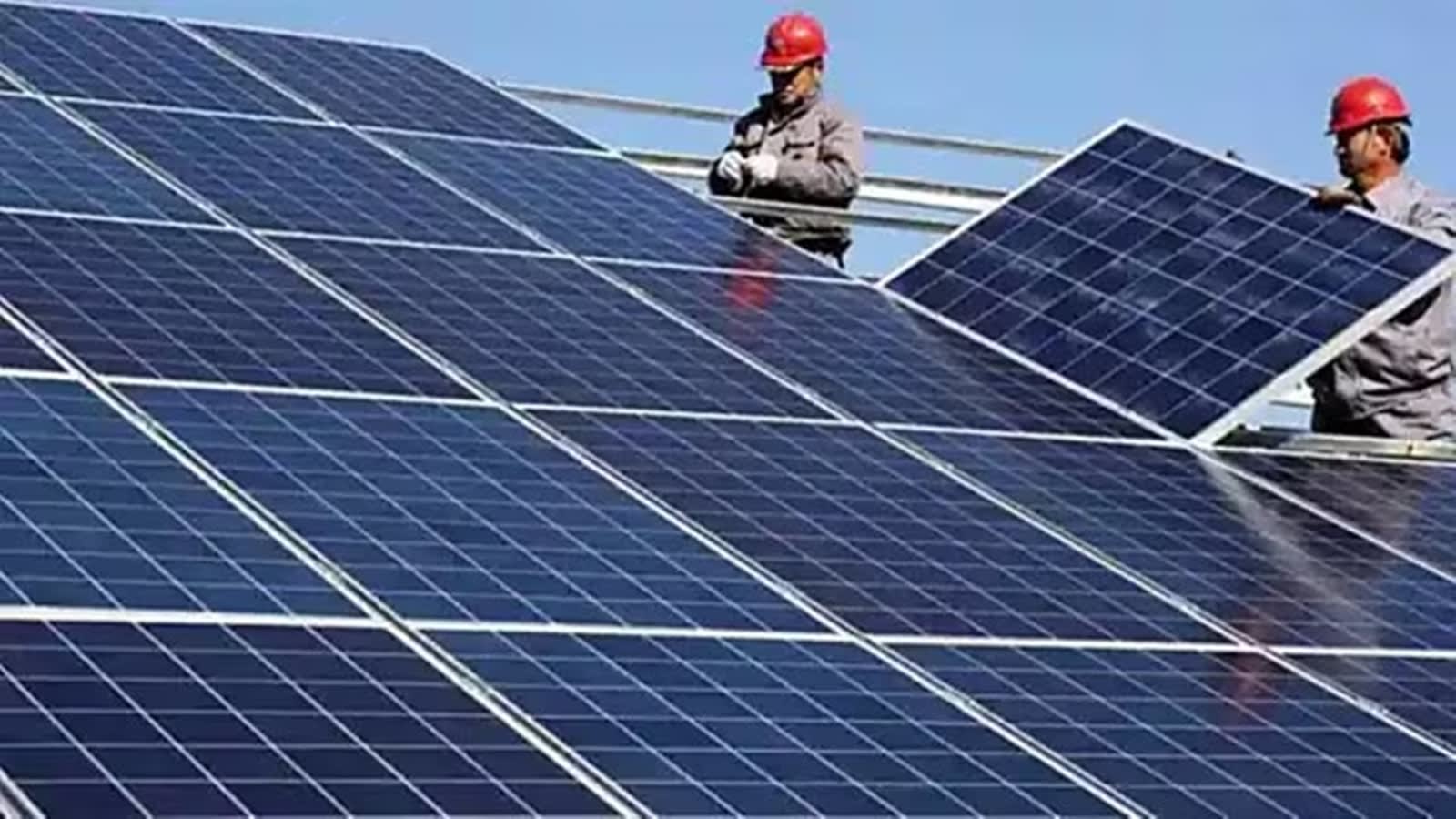
Delhi has surpassed 1.24 lakh registrations for the 'Pradhan Mantri Surya Ghar: Muft Bijli Yojana' within two months. The initiative aims to provide free rooftop solar panels to over 2.30 lakh households by 2027.
Delhi’s Solar Transition: A Milestone in Renewable Energy
Delhi has officially crossed a significant threshold in its transition to sustainable power, recording over 1.24 lakh registrations for the ‘Pradhan Mantri Surya Ghar: Muft Bijli Yojana’ in just two months. Launched by Chief Minister Rekha Gupta on September 22, this initiative represents a critical pillar in the capital's strategy to decentralize energy production and reduce dependence on conventional grid power. By focusing on residential rooftops, the government is tapping into underutilized urban infrastructure to foster a cleaner, more resilient energy ecosystem.
Geographic Distribution and Urban Adoption
Data indicates that the adoption rate is not uniform across the city, with South and West Delhi leading the surge in applications. These areas are followed closely by East and Central Delhi, suggesting that residential density and roof availability are key drivers for participation. This high initial interest highlights a growing public awareness of the benefits of renewable energy and the financial incentives offered by the scheme, which aims to alleviate the burden of rising utility costs for the average household.
The Path to 2.30 Lakh Households
The government has set an ambitious target to reach 2.30 lakh families by March 2027, marking the first phase of this large-scale solar rollout. Surpassing the halfway mark within the first sixty days of the program’s launch is a strong indicator of both administrative efficiency and public demand. Achieving this goal would signify a major shift in Delhi’s residential energy profile, effectively integrating thousands of homes into a localized power generation network.
Economic and Environmental Impact
At the core of the ‘Muft Bijli Yojana’ is the promise of economic relief. Officials have noted that for an average household, the installation of rooftop solar panels is designed to reduce monthly electricity consumption to under 200 units. By effectively neutralizing electricity bills, the program offers a dual benefit: it lowers the cost of living for residents while simultaneously lowering the city’s overall carbon footprint. This transition is essential for an urban center like Delhi, which frequently grapples with high energy demand and air quality challenges.
Future Trends and Scalability
As the program moves beyond its initial launch phase, the focus will likely shift toward the logistics of installation and the long-term maintenance of these systems. If the current momentum continues, the model could serve as a blueprint for other metropolitan areas in India looking to modernize their power infrastructure. The success of this initiative will ultimately depend on the seamless integration of these decentralized solar units into the existing power grid and the continued support for households to ensure the solar panels remain operational and efficient over the long term.