'Delhi a terrifying daily story for women': Rahul, Priyanka on teen's gangrape-murder
Source Entity
VIJAYA SRIVASTAVA
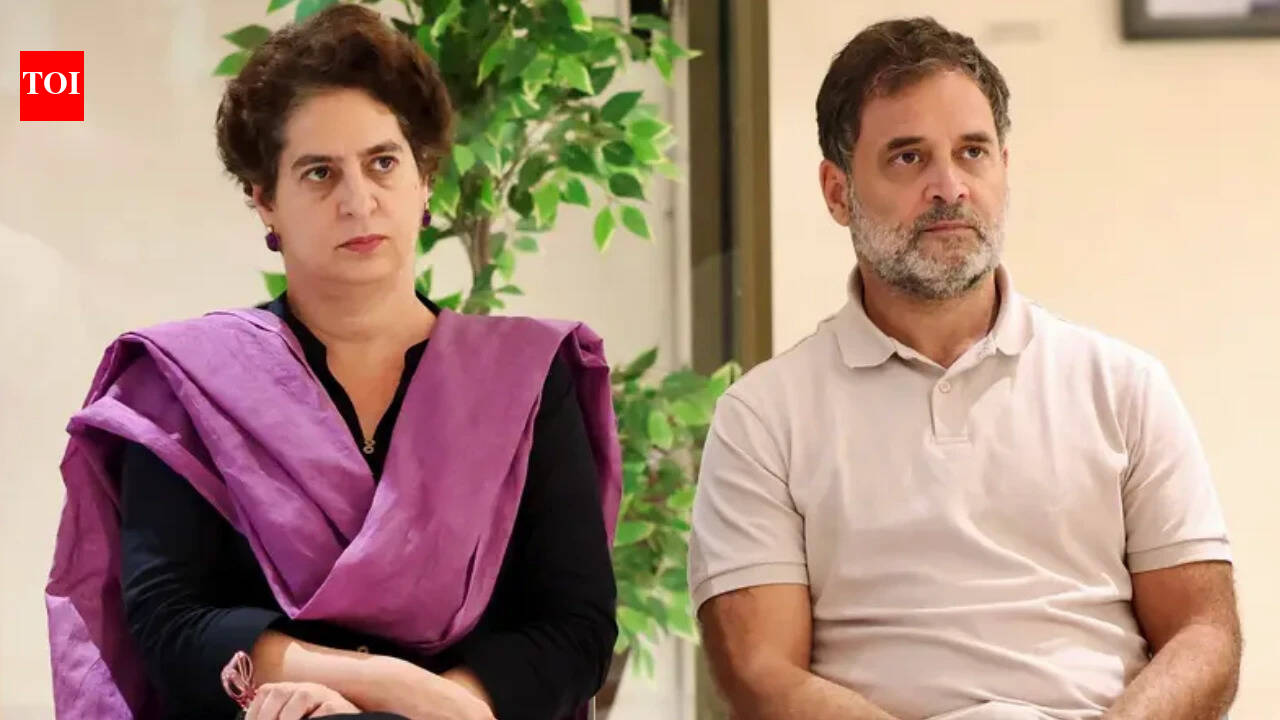
Congress leaders Rahul Gandhi and Priyanka Gandhi Vadra have condemned the brutal gang-rape and murder of a teenage girl in Delhi. They are demanding accountability from the Delhi Police and Union Home Minister Amit Shah, citing systemic failures in ensuring women's safety.
The Crisis of Safety: Political Fallout Over Delhi Tragedy
A Call for Accountability
The recent and horrific gang-rape and murder of a teenage girl in New Delhi has ignited a fierce political confrontation between the Indian National Congress leadership and the ruling administration. Both Rahul Gandhi, the Leader of the Opposition in the Lok Sabha, and Priyanka Gandhi Vadra have issued scathing critiques regarding the prevailing state of women's safety in the national capital. Their intervention highlights a growing frustration with what they characterize as institutional apathy toward the escalating frequency of sexual violence against minors.
Targeting Executive Responsibility
At the heart of the Congress leaders' criticism is the direct challenge posed to Union Home Minister Amit Shah. Because the Delhi Police operates under the jurisdiction of the Union Ministry of Home Affairs, Rahul Gandhi has explicitly questioned the Minister's responsibility in failing to curb such heinous crimes. By elevating this local tragedy to a national political discourse, the Congress leadership is seeking to hold the central government accountable for what they describe as a profound failure of law and order management in the capital.
The Systematic Failure of Protection
Priyanka Gandhi Vadra’s involvement underscores a broader critique of the government's response mechanisms. Her rhetoric suggests that the current administrative framework is insufficient to protect vulnerable populations, particularly young women, from systemic violence. This questioning of the government’s response is not merely reactive; it serves as a demand for a fundamental overhaul of how the Delhi Police handles reports of violence and the speed at which justice is administered in cases involving minors.
Historical Context and Public Sentiment
Delhi has long struggled with the moniker of an 'unsafe city' for women, a narrative that has persisted through various legislative reforms and increased police patrolling. The current incident serves as a grim reminder that despite past national outcries and subsequent legal amendments, the structural issues—ranging from inadequate investigative diligence to the slow pace of judicial proceedings—remain largely unresolved. The public discourse surrounding this case reflects a deep-seated fatigue among citizens who feel that the promises of improved safety have not materialized into tangible security.
Broader Implications and Future Trends
The political pressure applied by the Congress party is likely to force the Union Home Ministry into a defensive posture, potentially leading to immediate, albeit often temporary, intensifications in police activity. However, the long-term trend suggests that unless there is a significant shift toward proactive community policing and a more victim-centric judicial approach, these cycles of tragedy followed by political finger-pointing will continue. The demand for accountability is a signal that the opposition intends to make women's safety a central pillar of their parliamentary strategy in the upcoming sessions.
Conclusion
The tragedy in Delhi is more than an isolated criminal act; it is a flashpoint for a larger debate on governance and the state's duty to protect its citizens. As the political rhetoric intensifies, the onus remains on the authorities to transition from defensive political maneuvering to implementing systemic changes that restore public confidence in the safety of the nation's capital.